
You searched “sewer line repair companies,” and now you have a screen full of names that all say the same things. Licensed. Professional. Trusted. Local. Every one of them.
That’s the actual problem. When every company sounds identical, it’s hard to know who to call, and harder to know who to trust once someone shows up at your door. Here’s how to cut through it.
Start with the License, and Know Which One Matters
Washington State issues a specific license for plumbing contractors, separate from a general contractor registration. That distinction matters. A general contractor registration does not authorize plumbing work under Washington law. The trade is regulated separately, and the company you hire needs a plumbing contractor license from the Department of Labor and Industries to legally bid or perform the work.
The person running the job needs credentials too. Individual plumbers in Washington must hold a state-issued journey level plumber certification. That’s not the same as being employed by a licensed company. It means the plumber themselves has met the state’s requirements to perform plumbing work on your property.
You can verify both in about two minutes. The L&I Contractor Lookup at Washington State Department of Labor & Industries lets you search by business name or license number. Check that the license is active and look for any disciplinary actions on record.
Credentials are a floor, not a ceiling. A licensed company can still do poor work. But a company that can’t produce a plumbing contractor license number isn’t worth another question.
Don’t Accept a Quote Without a Camera Inspection First
A company that gives you a price before looking inside the pipe is guessing. That guess protects them, not you.
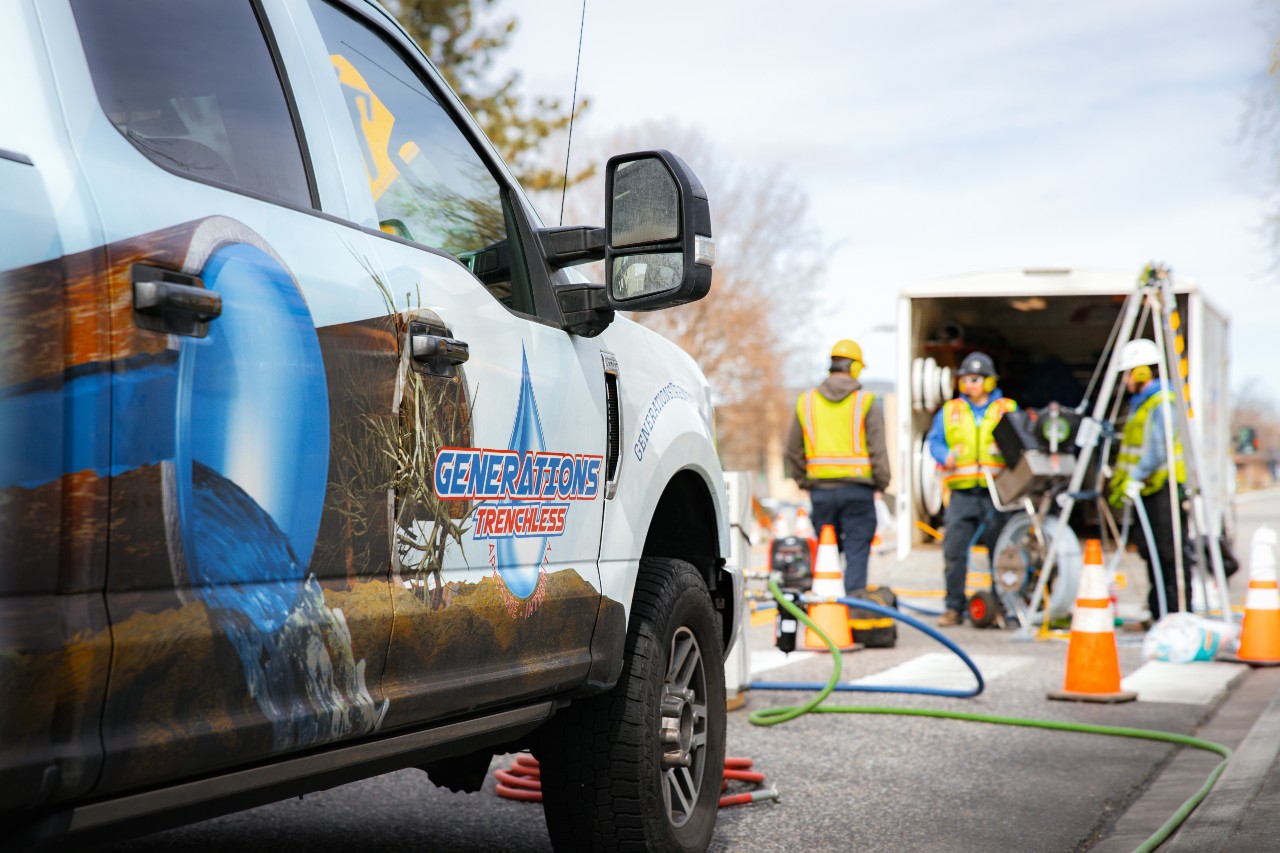
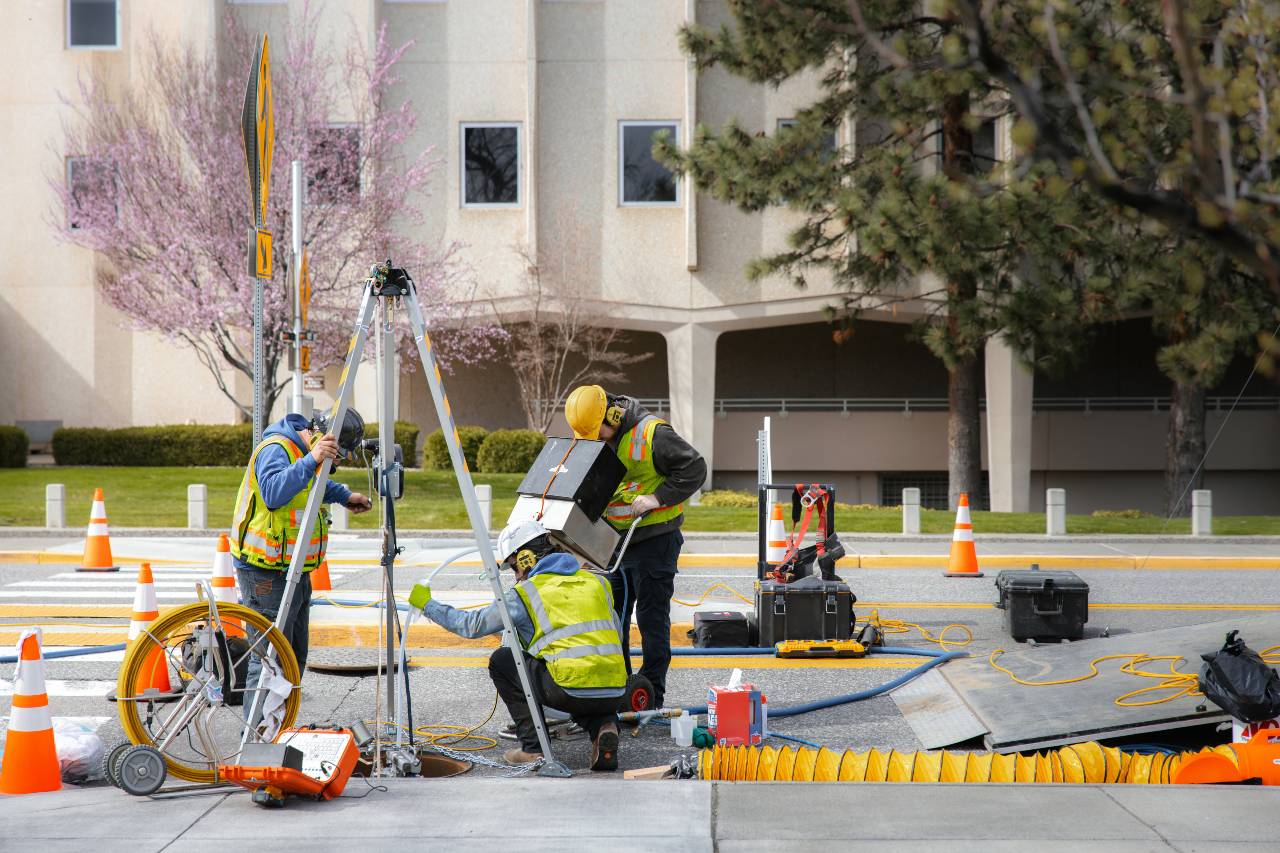
A camera inspection runs a small camera through the line and shows exactly what’s there: where the blockage or break sits, what the pipe material looks like, and whether the problem is isolated or part of something larger. In older Tri-Cities homes with clay or cast-iron lines, that footage often tells a different story than what a company assumed from the surface.
What you should expect: the technician shows you the footage, explains what it means in plain terms, and walks you through the options before any price comes up. If a company runs a camera but can’t explain what it found, or moves straight to a quote without the conversation, that’s worth noting. The inspection is only useful if someone interprets it for you.
What a Real Estimate Looks Like
A complete estimate is itemized. Materials, labor, restoration, and permits should each appear as named line items. A single total with no breakdown isn’t an estimate. It’s a number, and you have no way to know what’s included or what’s been left out.
Sewer line replacement in Washington generally requires a permit from the local city or county permitting office. A licensed contractor handles that process, but the permit cost should show up in your estimate. If it doesn’t, ask why.
Pressure to decide the same day is a warning sign. So is a bid that comes in dramatically lower than the others. A low number usually means something is missing from the scope, and you’ll find out what when the invoice arrives.
The standard that protects you is simple: the full price is on paper before anyone touches the pipe. If a company won’t commit to that, keep looking.
Ask Who Is Actually Running the Job
The person who comes out for the estimate isn’t always the person who does the work. It’s a fair question to ask directly: who leads the job, and what are their credentials?
A good answer names a journey level plumber and explains their role on the crew. Apprentices are part of every healthy trade, and their presence isn’t a concern. What matters is that a credentialed plumber leads the work and is accountable for it, not that every person on site holds a certification.
If the answer is vague, or if no one can tell you who’s in charge of the job, that’s the answer.
How Generations Trenchless and Plumbing Answers These Questions
Thomas Tharet is a journeyman plumber with more than 15 years in the trade. He runs the work. The camera inspection comes before any estimate, every time. The full price is on paper before anything starts. Estimates are free in the Tri-Cities, and trenchless repairs carry a 10-year warranty.
Those aren’t promises a franchise can make with a person’s name behind them. Generations can.
Ready to Get a Straight Answer?
You now have a short list of things to ask any sewer line repair company before you commit. If you’re in Richland, Kennewick, or Pasco and want to start with a free estimate, call Generations Trenchless and Plumbing at (509) 416-6755. Camera inspection first, full price before we start, no pressure.
Your water bill jumped last month and you’re not sure why. Or the pressure in every faucet dropped at once. Maybe there’s a soft, soggy patch in the yard that wasn’t there last week. Something is off, and it’s underground, which means you can’t see it and you can’t ignore it.
The good news: you don’t have to guess. A camera inspection tells you exactly what’s happening before anyone recommends a repair. That’s where every honest water service line repair conversation starts.
What a Water Service Line Is (and Why It’s Your Responsibility)
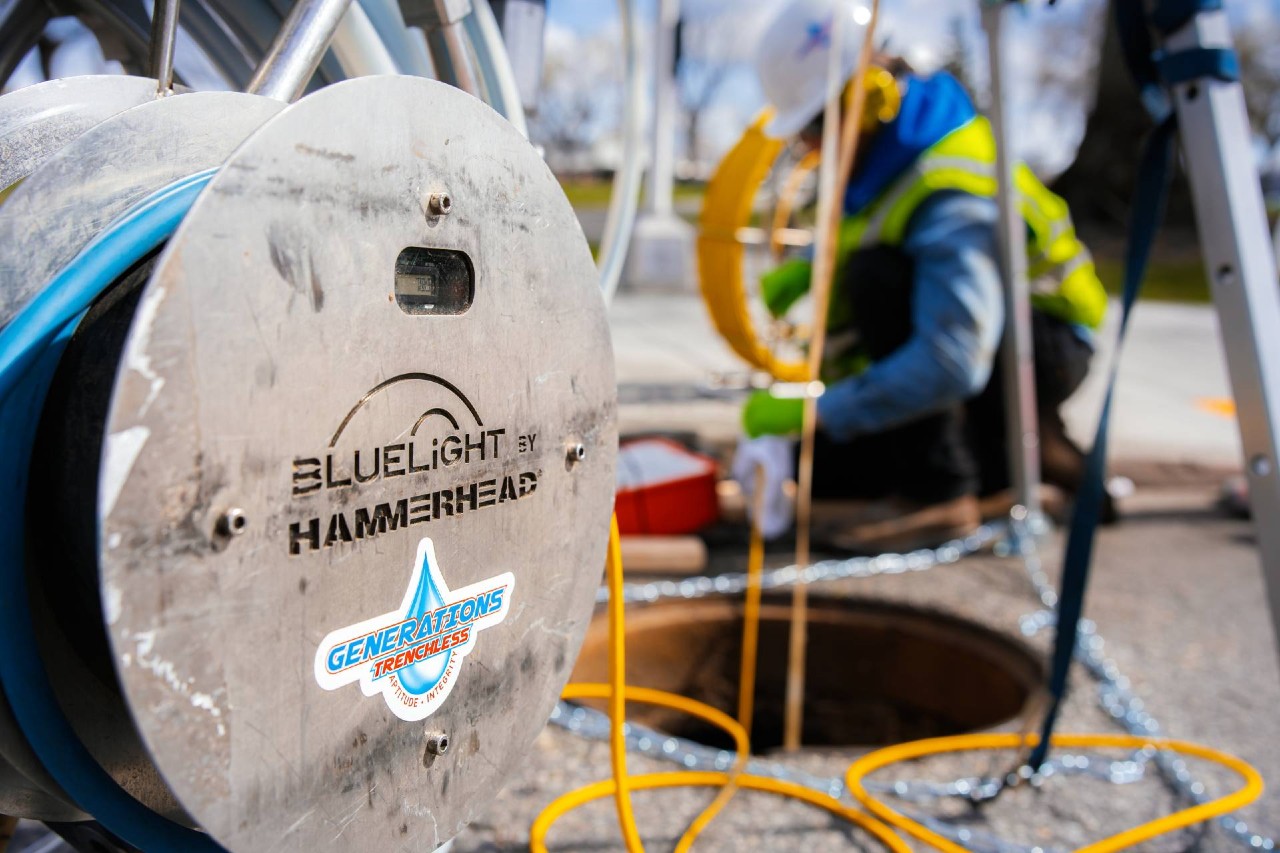
The water service line is the pipe that runs from the municipal meter or curb stop at the street to your home. The city owns and maintains the line up to the meter. Everything on your side of that meter is yours, including the cost of repairs if something goes wrong.
Four Signs the Line Is Telling You Something
These signals don’t always mean the service line is the problem, but they’re worth paying attention to.
Low pressure throughout the house. If every faucet and fixture is running weak at the same time, the issue is likely upstream of the house, not inside it. A single low-pressure fixture usually points somewhere else.
An unexplained spike in your water bill. A line that’s leaking underground keeps running water you’re not using. If your usage hasn’t changed but your bill has, that’s the line asking to be looked at.
Discolored or rusty water. Older galvanized or cast-iron lines corrode from the inside out. If the water running from your tap is brown or carries a metallic taste, the pipe itself may be breaking down.
Wet or unusually green patches in the yard. Tri-Cities summers are dry. A patch of grass that’s greener than everything around it, or ground that stays soft after the sprinklers have long since run, often means water is escaping underground.
Some of these signs have other explanations. That’s exactly why a camera inspection matters before any repair decision is made.
Why Trenchless Is Usually the Right Path
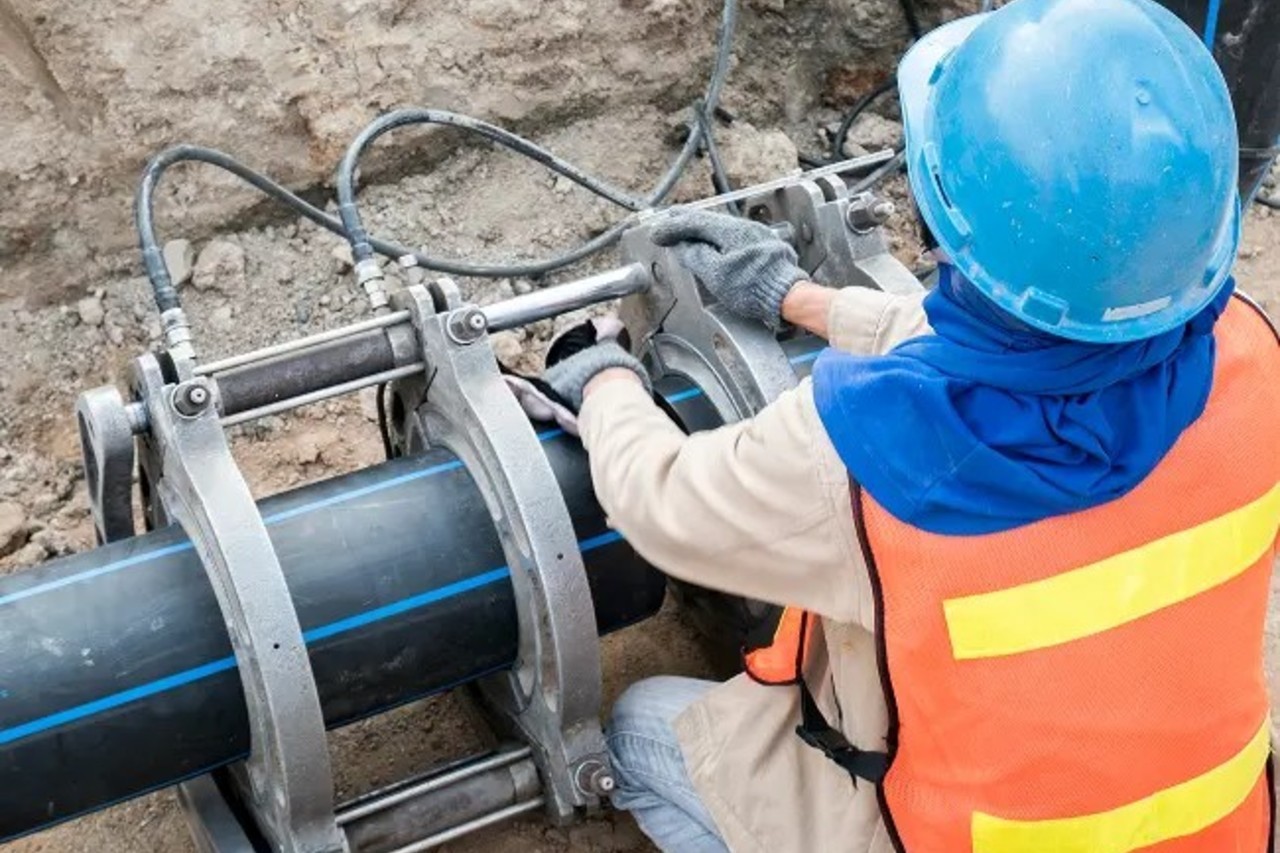
A trenchless water service line repair fixes or replaces the pipe without opening a trench across your property. The work happens underground, through two small access points at either end of the line. Your yard stays a yard. Your driveway stays a driveway.
That distinction matters more than it might sound. Traditional excavation digs a long trench across the property to reach the pipe. According to Angi, the base cost of trenched replacement does not include replanting grass, repairing sidewalks, or restoring your yard. Those are separate expenses on top of the repair itself. With trenchless methods, there’s almost nothing to restore.
The time difference is significant too. In our experience, traditional excavation typically takes 2 to 5 days; most trenchless repairs are completed in hours to one day.
The Two Methods: Pipe Lining and Pipe Bursting
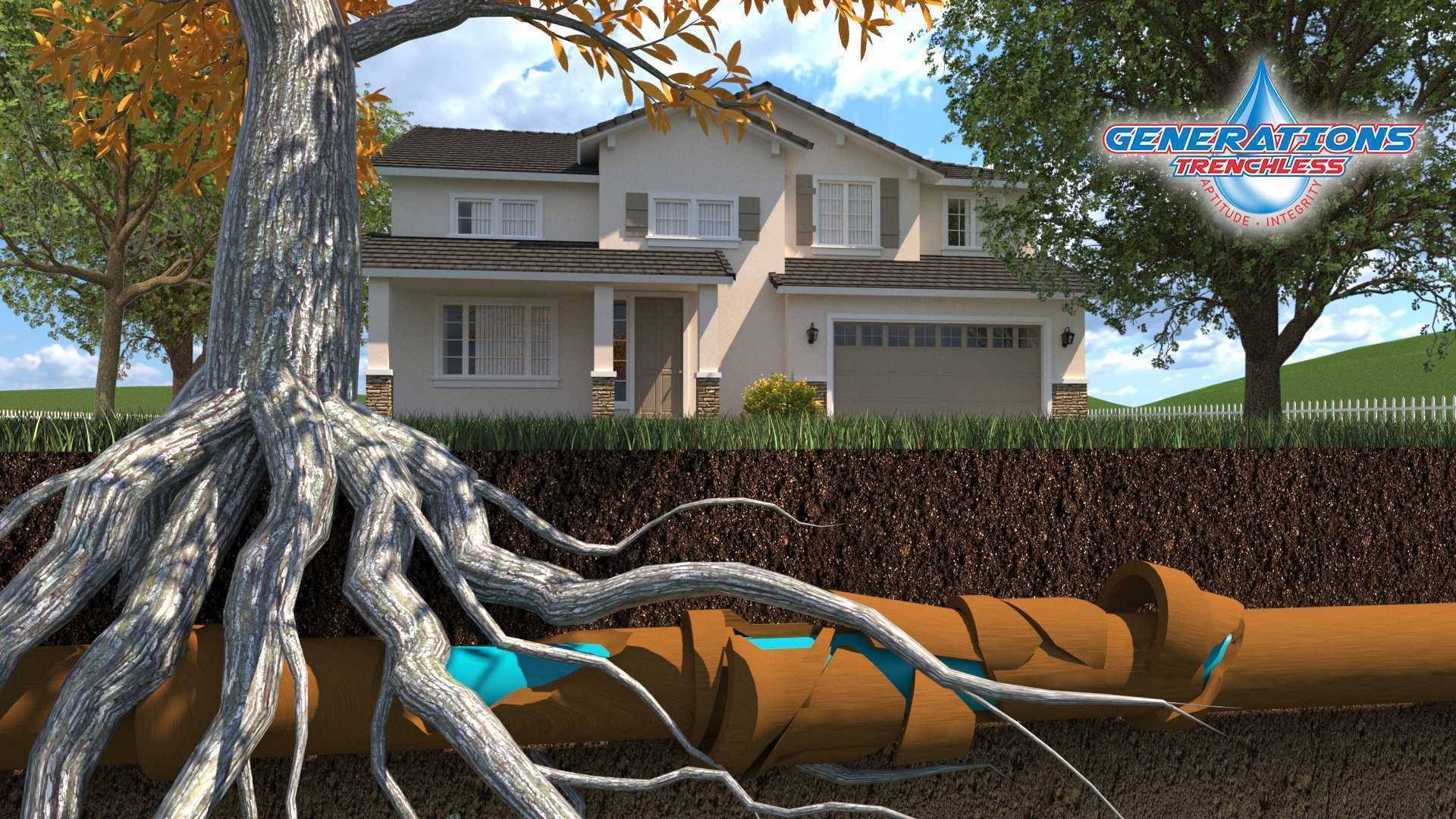
Not every damaged line calls for the same fix. The camera inspection determines which method fits.
Pipe lining, also called CIPP (cured-in-place pipe), works when the existing pipe still holds its shape but is cracked, corroding, or leaking. A resin-saturated liner is pulled through the old pipe and cured in place, creating a new pipe inside the old one. No trench, no excavation, and a repair that’s built to last.
Pipe bursting is the right tool when the damage is more severe or the pipe has partially collapsed, as long as the alignment is still intact. A bursting head is pulled through the old pipe, fracturing it outward while simultaneously pulling a new pipe into place behind it.
Both methods work through those same small access points. Both carry a 10-year warranty when completed by Generations Trenchless and Plumbing.
There is an honest limit worth naming: if a line has collapsed and shifted out of alignment, neither method is viable. In nearly every case, contractors attempt trenchless first, but when the pipe’s position makes that impossible, traditional excavation is the correct answer. A camera inspection tells you which situation you’re in before any work begins.
How Generations Approaches the Job
Thomas Tharet is a journeyman plumber with more than 15 years in the trade. Every water service line repair starts the same way: a camera goes in the line first. The diagnosis comes from what the camera shows, not from a guess or a worst-case assumption.
Once the inspection is done, you get the full price in writing before any work starts. No surprises on the invoice. Estimates are free in the Tri-Cities, and the trenchless repair comes with a 10-year warranty.
The goal isn’t to sell the most work. It’s to recommend the right repair for what the camera actually found.
Get Your Free Estimate
If you’ve noticed low pressure, a climbing water bill, or a wet patch in the yard that doesn’t make sense, a camera inspection is the right next step. Contact Generations Trenchless and Plumbing to schedule yours and get a written quote before any work begins. Estimates are free in Richland, Kennewick, Pasco, and the surrounding Tri-Cities area. Get your free estimate today!
Bronze. Silver. Gold. How Three Years of Doing the Work Right Earned the Tri-Cities’ Top Plumbing Award

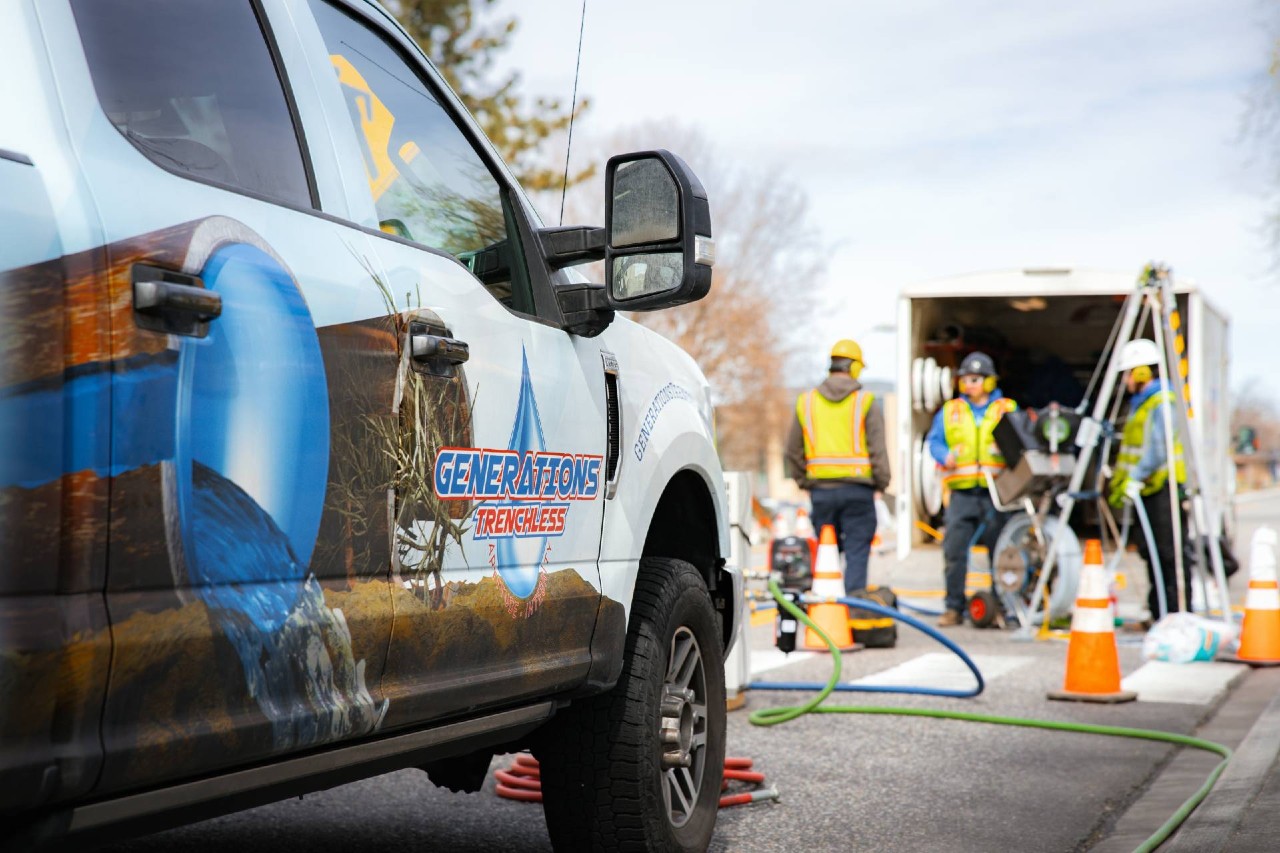
Three years ago, Thomas and Carly Tharet opened Generations Trenchless and Plumbing in West Richland with a straightforward idea: show up with a camera, tell the homeowner exactly what’s wrong, hand them the full price before touching a thing, and fix the pipe to last. No guesswork. No surprises on the invoice.
The Tri-Cities has been paying attention. In 2024, Generations earned Bronze Best Plumbing Services in the Tri-Cities Best awards. In 2025, Silver. This year, the community voted Generations Trenchless and Plumbing Gold Best Plumbing Services in the 2026 Tri-Cities Best awards.
What The Tri-Cities Best Award Actually Means
Tri-Cities Best is a community vote. No panel of judges, no application fee, no algorithm. Homeowners in Richland, Kennewick, and Pasco decide who wins, which means the Gold belongs to every customer who called us, trusted us with their home, and thought enough of the experience to tell their neighbors. That’s the one that matters.
The Progression Was The Point
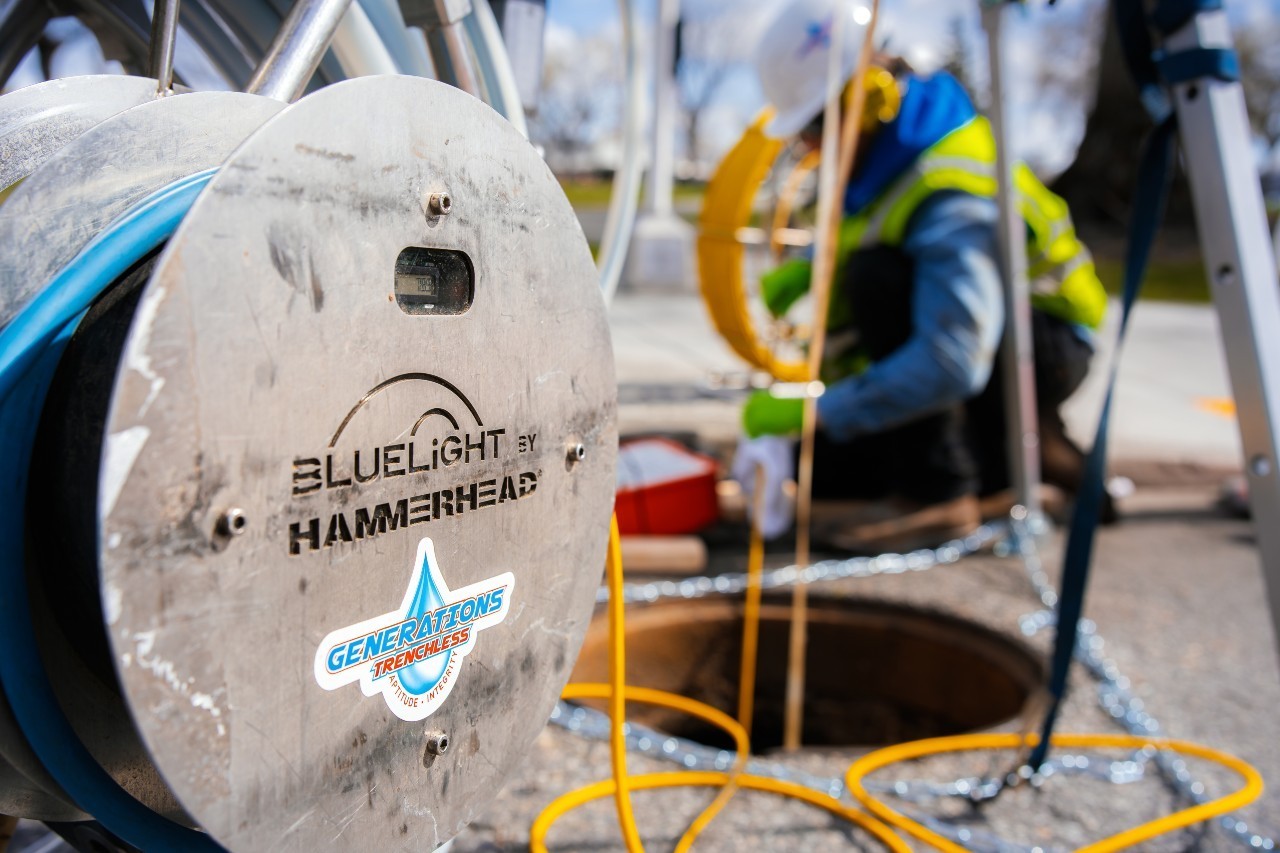
Bronze to Silver to Gold is not an accident. It reflects a deliberate choice to grow carefully, do every job right, and let the work speak before the marketing does.
Thomas has more than 15 years as a journeyman plumber. He has seen inside thousands of pipes across the Tri-Cities, cleaned up shortcuts left by other outfits, and built a reputation on camera-first diagnosis and honest quotes. That experience was here from day one. The awards followed because the work was already there.
Cameron and Aldo show up to every job with the same standard. The yard stays intact. The price on the quote matches the price on the invoice. The repair carries a 10-year warranty. Every time.
What Comes Next
Winning Gold does not change how we work. The free estimate is still free. The price still comes before the work starts. The journeyman still runs the job. Trenchless sewer repair in Richland, Kennewick, and Pasco still means no trench through your yard and a new pipe cured inside the old one. What it does change is the obligation. The Tri-Cities voted us their best. We intend to keep earning that.
If you have a sewer line concern, a backed-up drain, or a pipe you have been putting off, call us at (509) 416-6755 or schedule your free estimate. We are usually there same day or next day, and you will know the full price before we start.
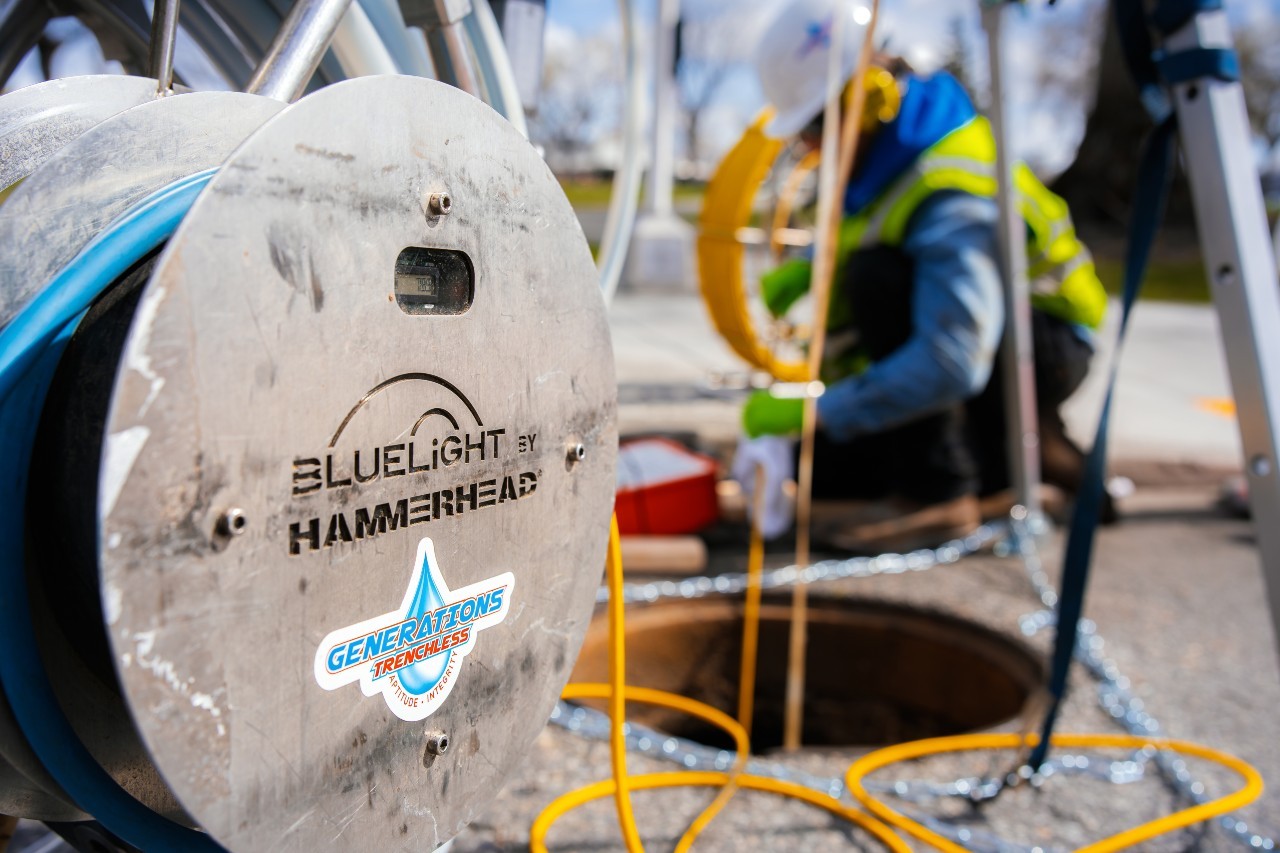
The toilet gurgles when you run the kitchen sink. Two drains are slow at the same time. There is a smell coming from the basement you cannot quite place. You grab something from under the sink, pour it down the drain, and wait.
It helps for a day. Then the gurgling is back.
When multiple fixtures are acting up at once, the problem is usually not in the individual drains. It is in the main line. And that is a different situation entirely, one where the tool matters as much as the diagnosis.
In this post, you’ll learn:
- What the main sewer line is and why a problem there affects your whole house
- The two professional tools used for main line drain cleaning and when each applies
- Why a camera inspection comes before any cleaning
- How to tell when cleaning is enough and when the pipe needs something more
What the Main Line Is and Why It Matters
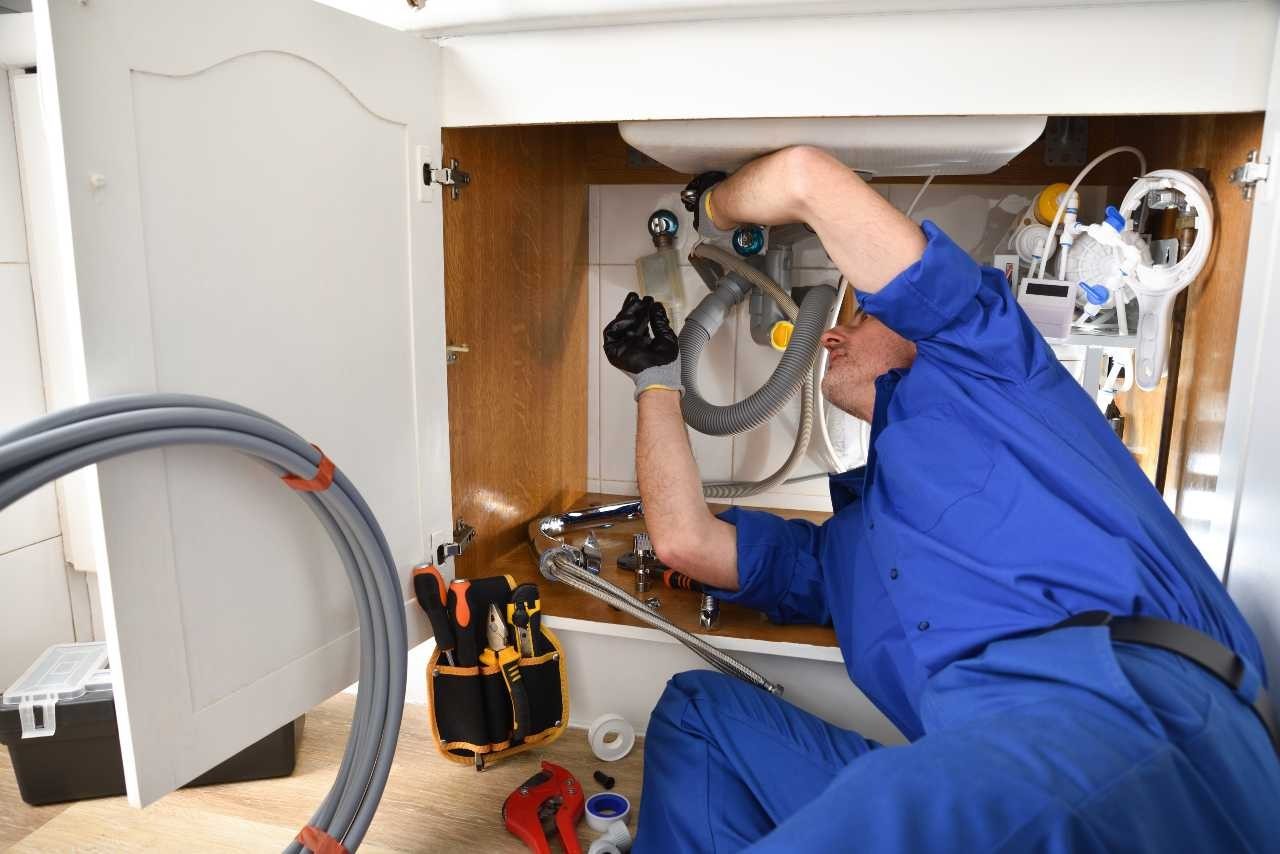
Every drain in your house, the kitchen sink, the showers, the toilets, feeds into one pipe that carries everything out to the municipal sewer or your septic system. That pipe is the main sewer line.
A clog or buildup in that single pipe affects every fixture above it. That is why slow drains in multiple rooms at once, or a toilet that gurgles when the washing machine drains, point to the main line rather than an individual fixture.
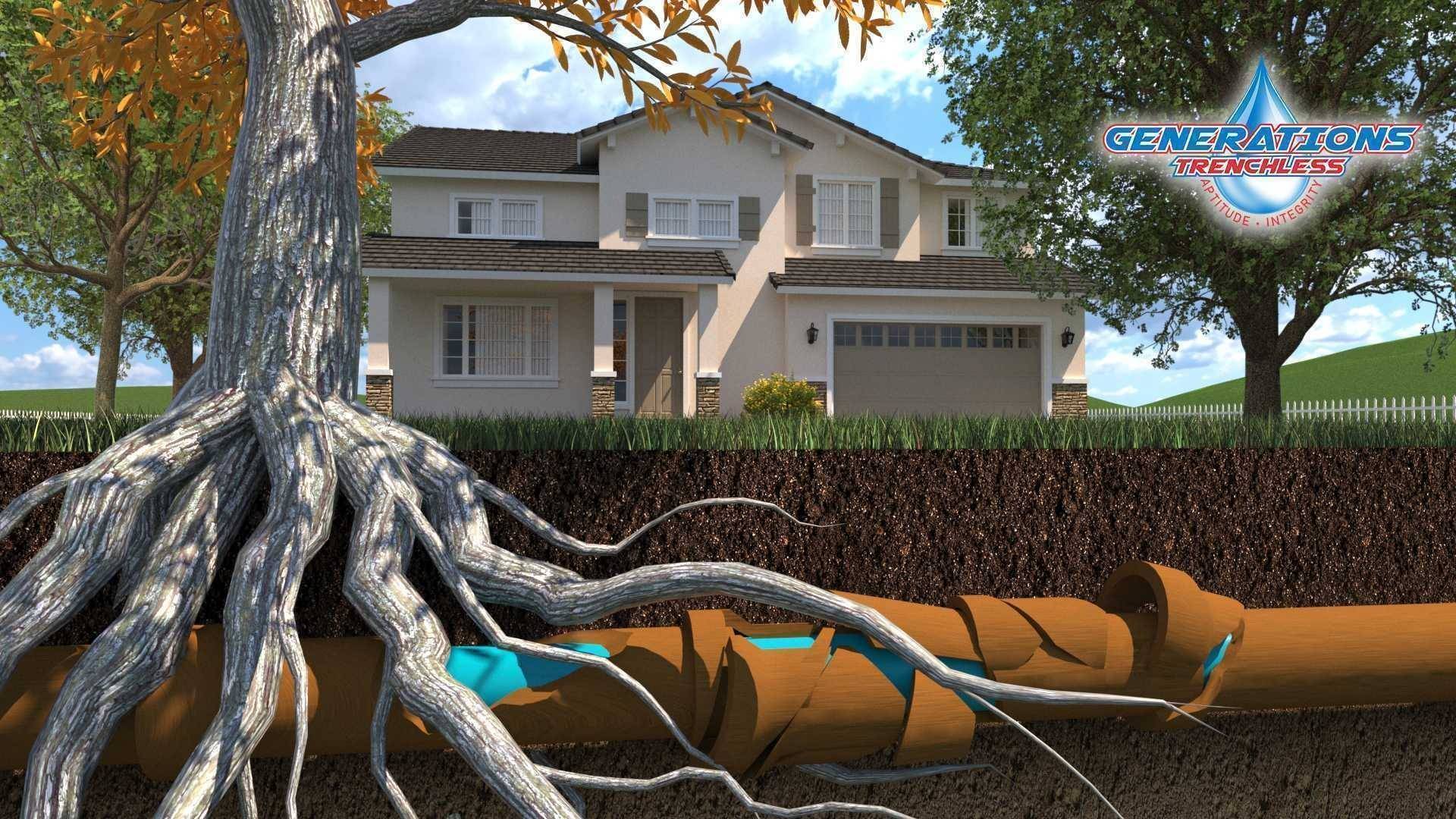
Older homes in Richland, Pasco, and Kennewick often have clay or cast-iron main lines that have been in the ground for decades. Those materials do the job, but they accumulate grease, scale, and tree root intrusion over time. The soil in the Tri-Cities shifts with temperature and moisture, and that movement can work on older pipe joints year after year.
The Two Professional Tools for Main Line Drain Cleaning
A hardware store drain cleaner works on the surface of a clog in a single fixture. Professional main line drain cleaning uses equipment built for the full pipe, and there are two primary methods.
Mechanical snaking, also called drain augering, sends a rotating steel cable through the line to break through or retrieve a blockage. It is effective for soft clogs and isolated obstructions. It clears the path. It does not clean the pipe walls, so grease and scale that coat the interior stay behind.
Hydro jetting forces high-pressure water through the line to scour the interior walls from the inside out. It removes grease, scale, mineral buildup, and debris that a snake leaves behind. For recurring clogs or significant buildup, it is the more thorough option.
The right tool depends on what is actually in the pipe. That is why the camera goes in first.
Why Camera Inspection Comes Before Any Cleaning

A sewer camera inspection shows exactly what is causing the problem: grease coating the walls, roots that have worked through a joint, scale buildup, or something structural like a crack or a belly in the line.
That last category matters. Forcing high-pressure water through a pipe that is already cracked or compromised can make things worse. A camera inspection confirms the pipe can handle the method safely before anything goes in.
This is how a journeyman approaches the job. Thomas has spent more than 15 years in the trade, and the camera is not an upsell. It is how the right call gets made.
When Cleaning Is Enough and When It Is Not
Sewer drain cleaning handles grease and soap buildup, minor root intrusion, debris accumulation, and slow drains with no structural cause. For most of those situations, a professional cleaning resolves the problem.
The signal that cleaning is not enough: the clog comes back within a few weeks of a professional service. Recurring clogs on a short cycle usually mean the pipe has a structural issue, a crack, a belly, a collapsed section, that cleaning cannot fix. At that point, the pipe needs repair, not another cleaning.
Trenchless repair, including cipp sewer lining or pipe bursting, addresses structural failures that cleaning cannot reach. A camera inspection is what tells you which situation you are actually in.
What to Expect from a Professional Main Line Cleaning
The process is straightforward. A camera goes through the line first to diagnose what is there. Based on what the camera shows, the right cleaning method gets selected. The cleaning is performed, and a second camera pass confirms the line is clear. Most cleanings complete in a few hours. No excavation is required for the cleaning itself.
At Generations, you get the full price before any work begins. Estimates are free in the Tri-Cities.
Ready to Know What Is Actually in Your Line?
Another bottle of store-bought cleaner is not going to tell you whether your main line has a grease problem or a structural one. A camera will.
Call Generations Trenchless and Plumbing for a free estimate in the Tri-Cities. A camera inspection will show exactly what is in your main line and give you the full price before any work begins. Reach us at (509) 416-6755.
A plumber looks up from his camera screen and says, “Your pipe needs to be lined.” You nod. You have no idea what that means.
What you do know is what you are afraid of: a trench cutting through the yard you spent years on, a crew here for a week, and a bill that grows every time someone finds something new. Those fears are real. They are also exactly what cured-in-place pipe lining was designed to prevent.
Here is what CIPP actually is, how the process works, and how to know whether your home is a candidate.
In this post, you’ll learn:
- What cured-in-place pipe lining is, in plain terms
- How the repair process works from start to finish
- When CIPP is the right call and when it is not
- What the repair actually costs and what to expect from a Generations estimate
What Cured-in-Place Pipe Lining Actually Is
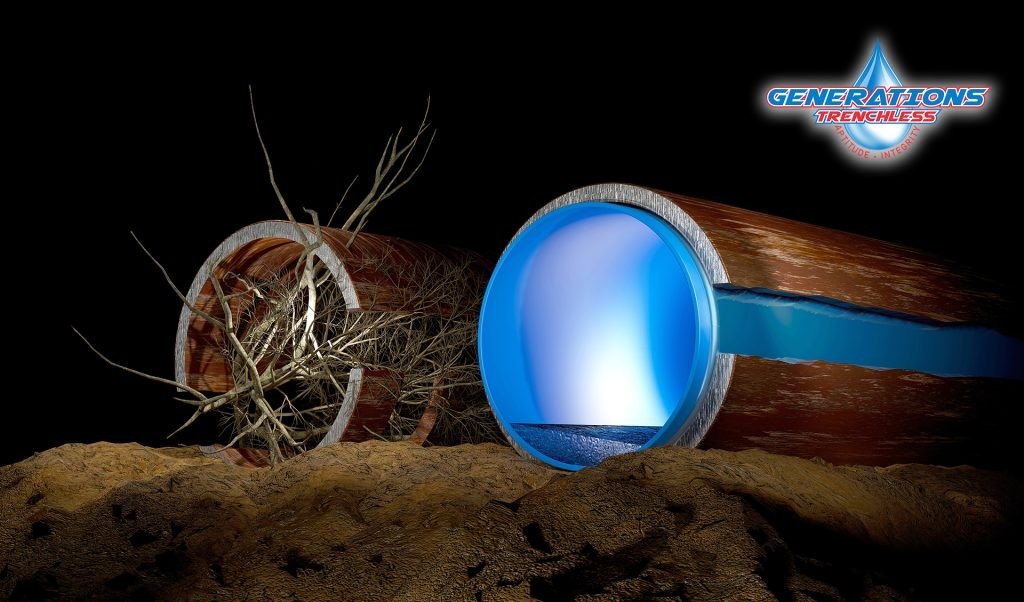
The short version: a new pipe is cured inside your old one, and no trench is required.
Here is how it works. A flexible liner, soaked in liquid resin, gets fed into your existing pipe through an access point that is already there. No digging to get it in. Once the liner is in position, air pressure or hot water expands it outward, pressing it firmly against the interior walls of the damaged pipe. The resin then hardens. What you are left with is a smooth, jointless surface bonded to the inside of the original pipe. The old pipe becomes the shell. The new liner does the work.
The result holds up. Generations backs its trenchless pipe repair work with a 10-year warranty.
How the Process Works, Step by Step
Every CIPP job at Generations starts the same way: a camera goes in first.
Thomas runs a video inspection through the line to confirm the pipe is a real candidate for lining. The pipe needs to hold its shape. If it is cracked, corroded, or leaking but still structurally intact, CIPP is likely the right call. If it has collapsed or shifted significantly out of alignment, a different approach applies.
Once the line is confirmed, the crew cleans and flushes it to prep the surface. Then the liner goes in, gets expanded, and the resin cures. A second camera pass at the end confirms the repair is solid before anyone packs up.
Most jobs are completed in a day. Your yard is untouched from start to finish.
When CIPP Is the Right Call
No-dig sewer repair is a strong fit for pipes that have cracks, corrosion, root intrusion, or slow leaks but still hold their basic shape. It is particularly well-suited to Tri-Cities homes, where clay soil shifts with temperature and moisture, and where older lines in Richland, Pasco, and Kennewick have been working hard for decades. If your home has mature trees, an established garden, a driveway over the line, or simply not much room to dig, CIPP protects all of it.
It is not the right tool for every situation. A pipe that has fully collapsed or moved significantly out of alignment may need pipe bursting or traditional excavation instead. That is exactly why the camera inspection comes first. The method follows the diagnosis, not the other way around.
Why It Matters Beyond Your Yard
The yard staying intact is the most visible benefit of sewer lining in the Tri-Cities, but it is not the only one. No trench means no landscaping restoration: no trees removed, no pavers lifted, no reseeding. Those restoration costs on a traditional excavation often equal the repair itself.
Trenchless pipe repair typically runs between $1,900 and $6,000 per project. Traditional excavation for a sewer line can take three to five days, and the restoration work adds time and cost on top of that. When you factor in what you are not paying to fix afterward, the numbers often favor the no-dig approach.
At Generations, you get the full price before any work begins. The estimate is free in the Tri-Cities.
How Generations Approaches the Diagnosis

A journeyman plumber runs every inspection and repair. Thomas has spent more than 15 years in the trade, including jobs where a previous company made a call without a camera and the repair did not hold. CIPP works when the pipe is properly assessed first. That assessment is not optional here; it is the foundation of every recommendation we make.
Ready to Know What Your Line Actually Needs?
You came here with a question. Now you have a real answer: CIPP sewer lining is a new pipe cured inside the old one, no trench required, and most jobs are done in a day.
If your home is in Richland, Pasco, Kennewick, or the surrounding Tri-Cities area, call Generations Trenchless and Plumbing for a free estimate. A camera inspection will show exactly what your line needs and give you the full price before any work begins. Reach us at (509) 416-6755.

A water line fails on a Tuesday morning. By noon, the restaurant two doors down has no service, the parking lot is cordoned off, and a crew is breaking concrete. The repair itself takes three days. The restoration takes two more. The lost revenue, the tenant complaints, and the resurfacing bill were never in the budget.
That scenario plays out on commercial properties across Kennewick, Pasco, Richland, and West Richland more often than it should. The repair cost is one line item. The disruption cost is several others. For commercial properties, the method used to fix the pipe matters as much as the fix itself.
In this post, you’ll learn:
- Why traditional excavation carries compounding costs in a commercial setting
- What trenchless repair options exist and when each one applies
- How to know which method is right for your property
- What proactive maintenance looks like and why it pays
Why Traditional Excavation Hits Commercial Properties Hard

Traditional water line repair takes 2 to 5 days from first dig to finished work. On a residential property, that is disruptive. On a commercial property, it is a business problem.
Restoration costs for parking lots, paved surfaces, and landscaping often equal the repair cost itself. Add tenant disruption, restricted customer access, and the coordination required with adjacent businesses or municipal permitting, and the total impact climbs well past the invoice. Some excavation projects require traffic control measures or notifications to neighboring tenants before work can begin.
The repair method is a business decision, not just a plumbing one.
What Trenchless Repair Offers Commercial Properties
Trenchless methods work from small access points at either end of the damaged section. Everything between those points stays in the ground, undisturbed.
No parking lot sections come up. No pavers get pulled. No landscaping gets removed and replanted. Most trenchless commercial water line repairs complete in hours to one day, which means businesses can often stay open or limit their closure window to a single morning.
Two methods cover the majority of commercial water line situations.
CIPP lining (cured-in-place pipe lining) is the right fit when the pipe has cracks, corrosion, or leaks but remains structurally intact. A liner is inserted into the existing pipe, pressed against the interior walls, and cured until it hardens into a new, smooth surface inside the old one. No trench, no excavation.
Pipe bursting applies when the damage is more severe but the pipe’s alignment is still good. A bursting head fractures the old pipe outward while pulling a new one through in a single pass. The surface stays intact.
When restoration costs are factored in, trenchless commercial water line repair typically delivers the same outcome at lower total cost than traditional excavation.
When Trenchless Is and Is Not the Right Call

Trenchless repair is appropriate when the pipe is damaged but not fully collapsed and its alignment is intact. A pipe that has collapsed entirely or shifted significantly out of alignment may require traditional excavation. There is no responsible way to determine which situation you have without a camera inspection first.
That inspection is not a formality. It is the step that prevents you from committing budget to the wrong solution. A journeyman plumber runs the camera, reads what it shows, and builds the repair recommendation from that diagnosis. If trenchless is not the right answer for your line, you will hear that plainly, with the reasoning behind it.
Proactive Maintenance Reduces Emergency Risk
The commercial properties that manage infrastructure costs best are the ones that schedule assessments before something fails. Video camera inspections, hydro jetting, and routine line evaluations identify developing problems while they are still manageable.
A proactive inspection costs a fraction of an emergency repair. It also costs a fraction of the downtime that comes with one. Commercial properties in the Tri-Cities with older infrastructure, particularly those built on aging clay or cast-iron lines, benefit most from putting assessments on the calendar rather than waiting for symptoms.
What Commercial Clients Should Expect on Paper
A commercial repair decision involves more than a handshake. Here is what Generations Trenchless and Plumbing provides on every commercial job:
- Full written quote before any work begins, no exceptions
- Scope of work documentation
- Before-and-after camera footage
- 10-year warranty on trenchless repairs, covering materials and workmanship
The quote drives the work. The camera footage documents the condition of the line before and after. The warranty is in writing.
Schedule a Free Camera Inspection for Your Property
Contact Generations Trenchless and Plumbing for a free camera inspection and estimate on your commercial property. We serve Kennewick, Pasco, Richland, and West Richland, and we can often complete no-dig pipe repair with minimal disruption to your tenants and operations. You’ll have the full price before any work begins. Call us at (509) 416-6755.