A single slow drain can feel minor… until it isn’t. When wastewater has nowhere to go, the problem moves quickly from inconvenience to contamination, property damage, and disruption inside your home.
The risk is not isolated to one neighborhood. The American Society of Civil Engineers reports that the United States maintains more than 800,000 miles of public sewer lines, many of which consist of aging infrastructure. As those systems deteriorate underground, main sewer line failures become more common.
Prompt main sewer line repair protects foundations and the plumbing system connected to every fixture. Modern trenchless sewer system repair offers an alternative to major excavation or sewer line replacement. With a thorough inspection, many repairs require only limited access points to restore proper flow.
What you’ll learn in this guide:
- Main sewer line functions and why they are critical to your property
- Common causes of sudden or gradual sewer line failure
- Trenchless sewer system repair methods and how they work
- Traditional excavation needs, and when digging is still required
Common Causes of Main Sewer Line Damage

Main sewer line repair begins with identifying the underlying cause of failure. Most problems develop gradually beneath the surface due to aging materials or ground movement.
Understanding the source helps determine whether targeted sewer system repair or full sewer line replacement is required.
1. Tree Root Intrusion
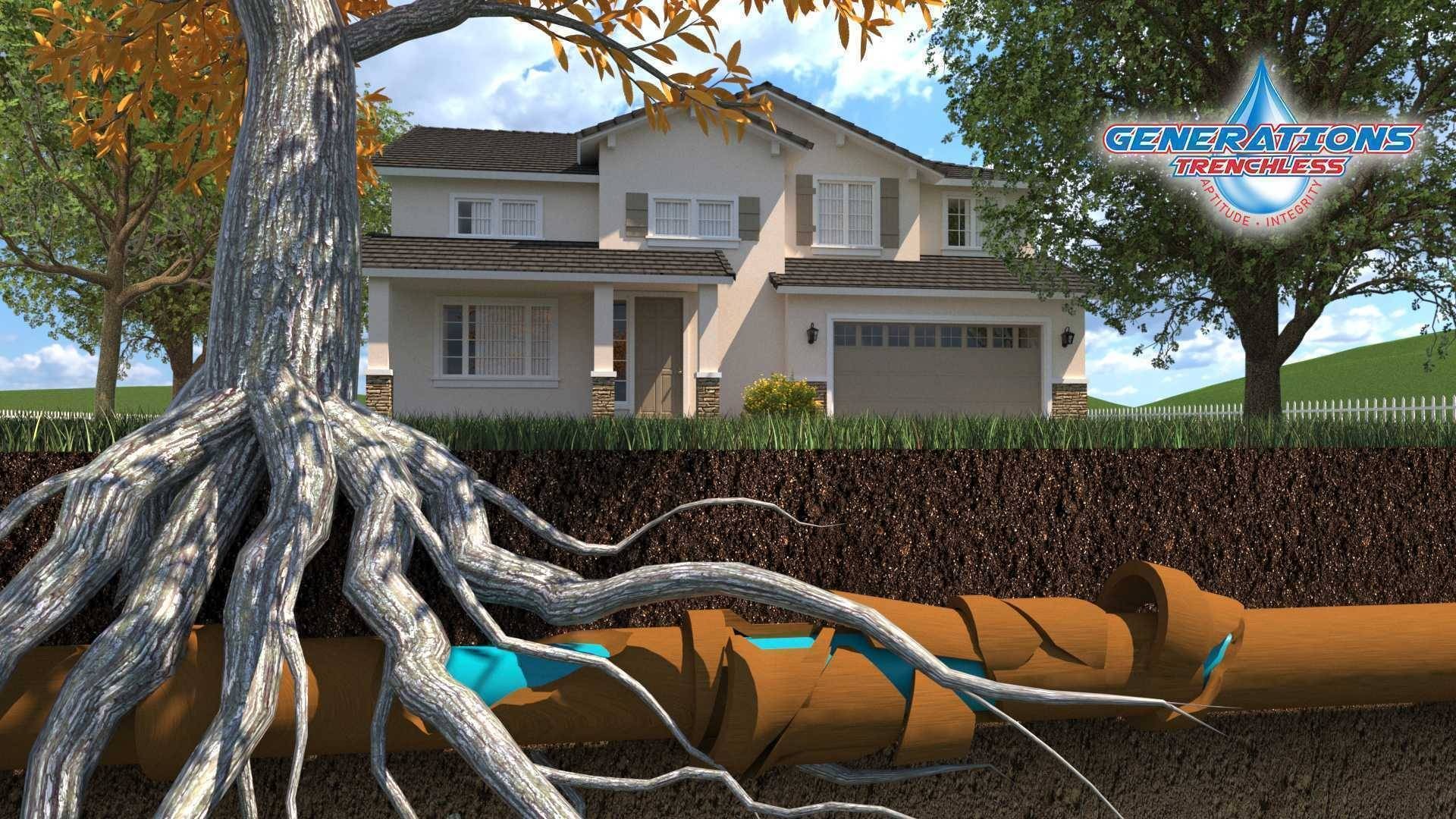
Tree roots seek moisture, and even a small crack in a main sewer line can attract them. Once inside, tree roots expand, trap debris, and restrict flow inside the sewer pipe. Left unaddressed, root intrusion can fracture the pipe and damage the sewer line, requiring main sewer line repair.
2. Aging or Corroded Pipes
Older clay or cast-iron pipes weaken over decades of constant exposure to wastewater and shifting soil. Pipe corrosion thins pipe walls and narrows the interior diameter. As deterioration spreads through older pipe materials, sewer system repair becomes necessary to restore structural integrity.
3. Soil Shifting or Ground Settling
Seasonal moisture changes cause soil to expand and contract around buried sewer lines. That ground movement can misalign pipe joints or create sagging sections where waste collects.
Over time, these stress points may lead to cracks and damage to the sewer line, requiring main sewer line repair.
4. Heavy Traffic or Structural Pressure
Pipes beneath driveways or near foundations endure sustained external weight. Repeated compression can deform or fracture the underground sewer pipe wall. Once structural integrity declines, sewer system repair becomes unavoidable.
5. Improper Installation or Past Repairs
Incorrect slope, poor bedding, or weak pipe joints create early vulnerabilities in a sewer line. Temporary fixes may mask deeper sewer line issues that affect the entire line. Comprehensive main sewer line repair addresses the underlying issue rather than repeating short-term solutions.
Warning Signs You May Need Sewer System Repair
Main sewer line problems rarely begin with dramatic failure. Most homeowners notice subtle changes before a full backup occurs. Recognizing these warning signs early can reduce damage and limit the scope of the main sewer line repair.
Recurring Backups and Multiple Clogs
An isolated clog in one sink is usually a local issue. When multiple fixtures clog at the same time, the problem often lies in the main sewer line. Wastewater has nowhere to exit, creating pressure throughout the home’s plumbing system.
Frequent sewer backups in lower-level drains are particularly concerning. Toilets, showers, and floor drains may overflow during heavy water use. These sewer backups often signal the need for prompt repair of the sewer system.
Odors, Wet Spots, and Yard Changes
Sewage odors inside the home or near the foundation should never be ignored. Escaping gases can indicate a broken sewer pipe or a separation in the main sewer line. Persistent odors often precede visible water damage.
Outside, soggy patches or unusually green grass may suggest a leaking sewer pipe underground. Wastewater saturates the surrounding soil and alters surface conditions. Early repair of the main sewer line prevents sewage leaks and further contamination.
Slow Drainage and Gurgling Sounds
Drains that empty slowly throughout the home often point to restricted flow in the main line. Multiple slow drains may indicate that clogged sewer line repair is needed. Gurgling noises in sinks or tubs signal trapped air caused by a blockage.
These sounds reflect pressure imbalances within the plumbing system. As flow becomes increasingly obstructed, strain builds along the pipe walls. Timely sewer system repair restores proper flow before a full stoppage occurs.
The Inspection Process

Accurate diagnosis precedes effective main sewer line repair. Guesswork leads to unnecessary excavation and incomplete fixes. Modern sewer system repair begins with clear visual evidence inside the pipe.
Sewer Camera Inspection
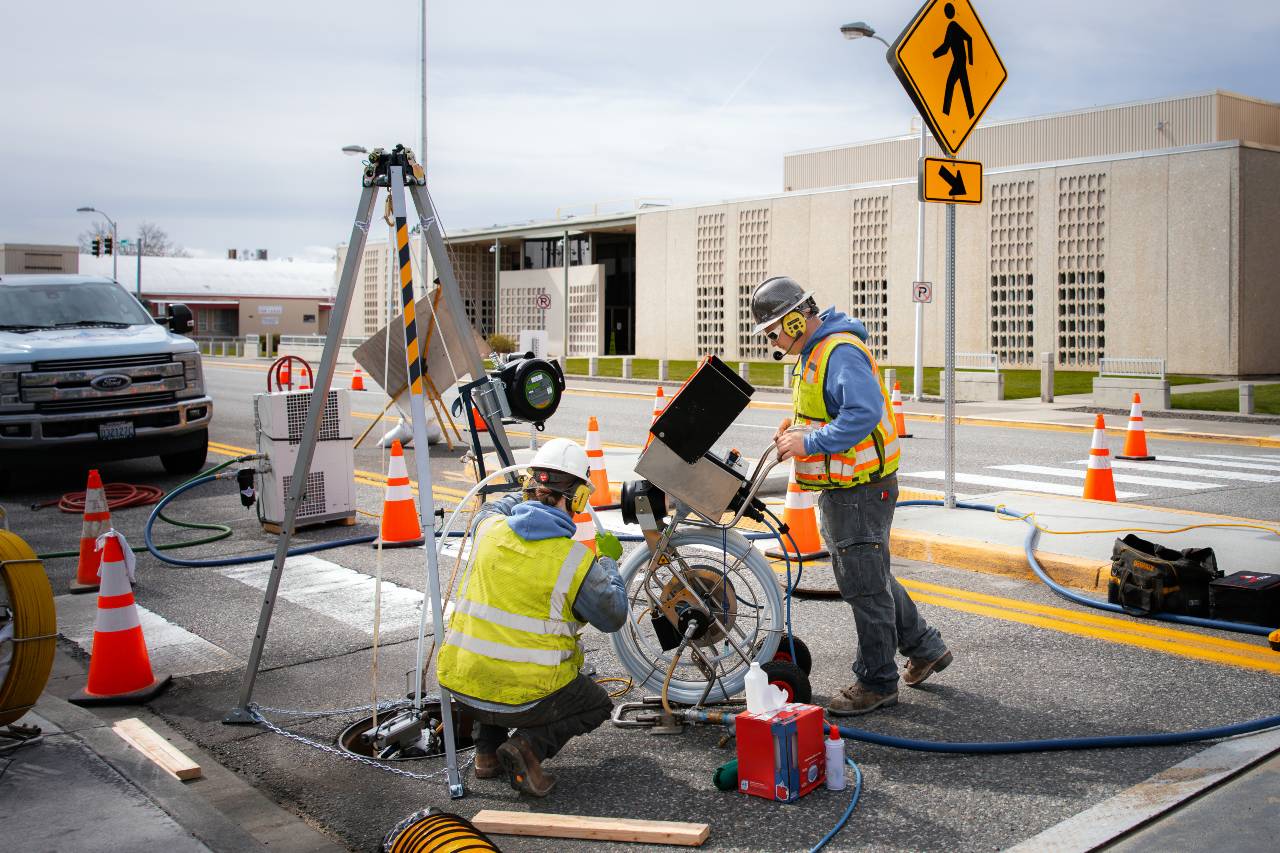
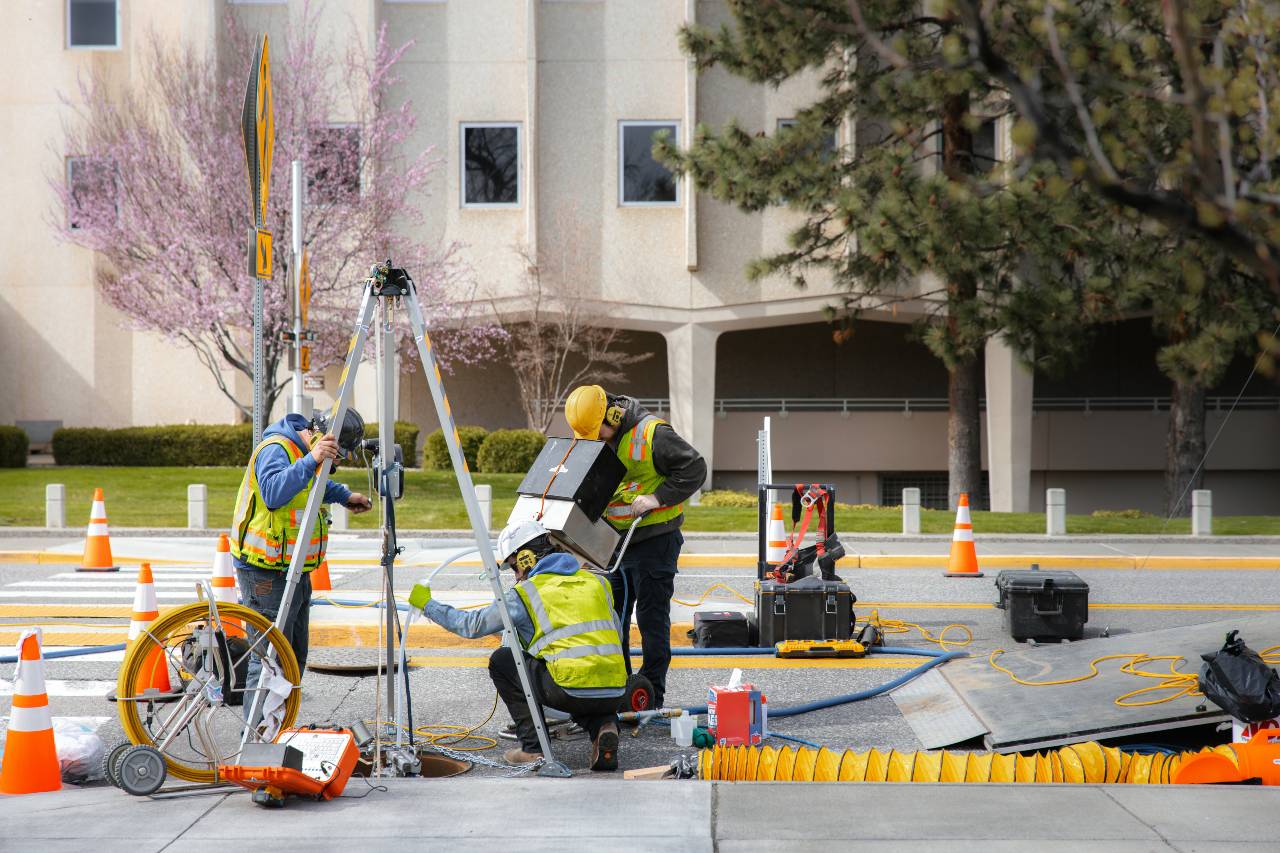
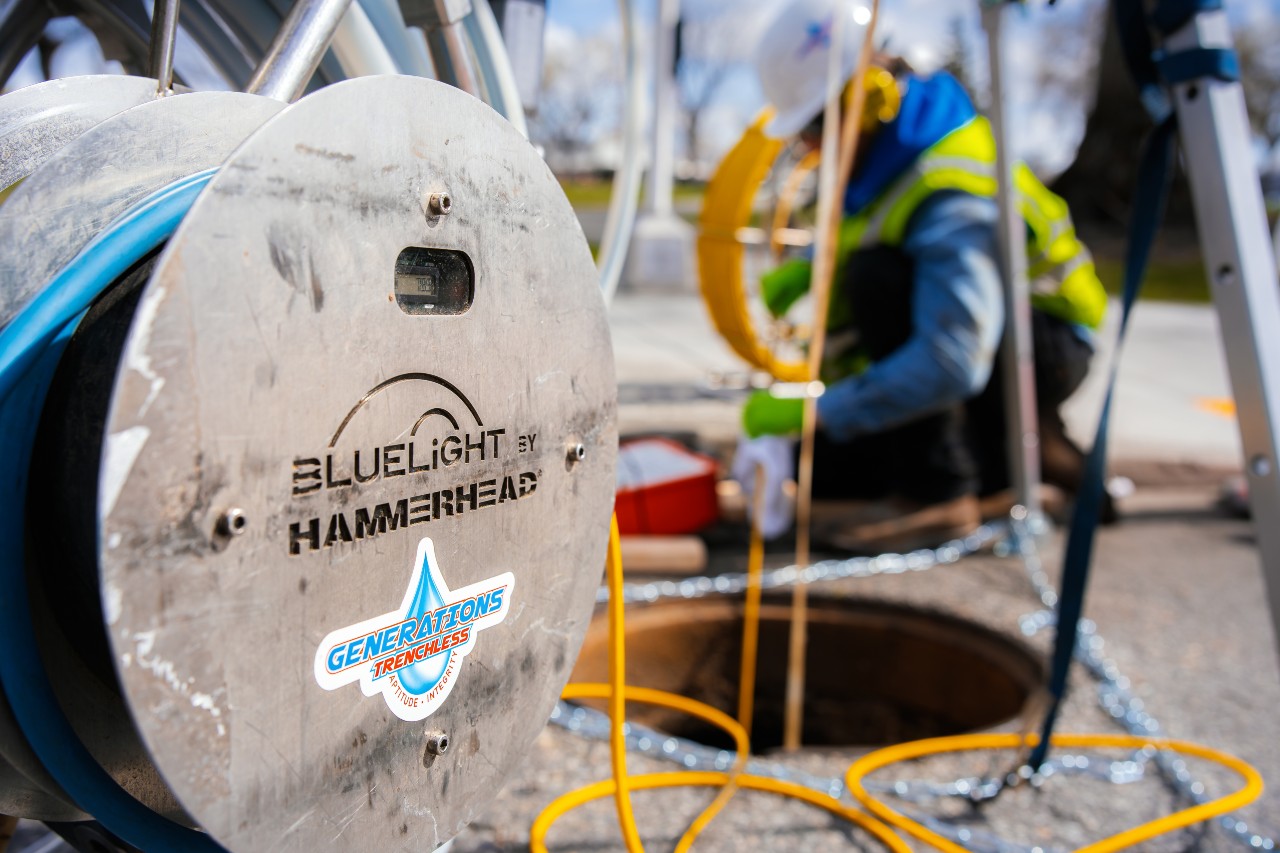
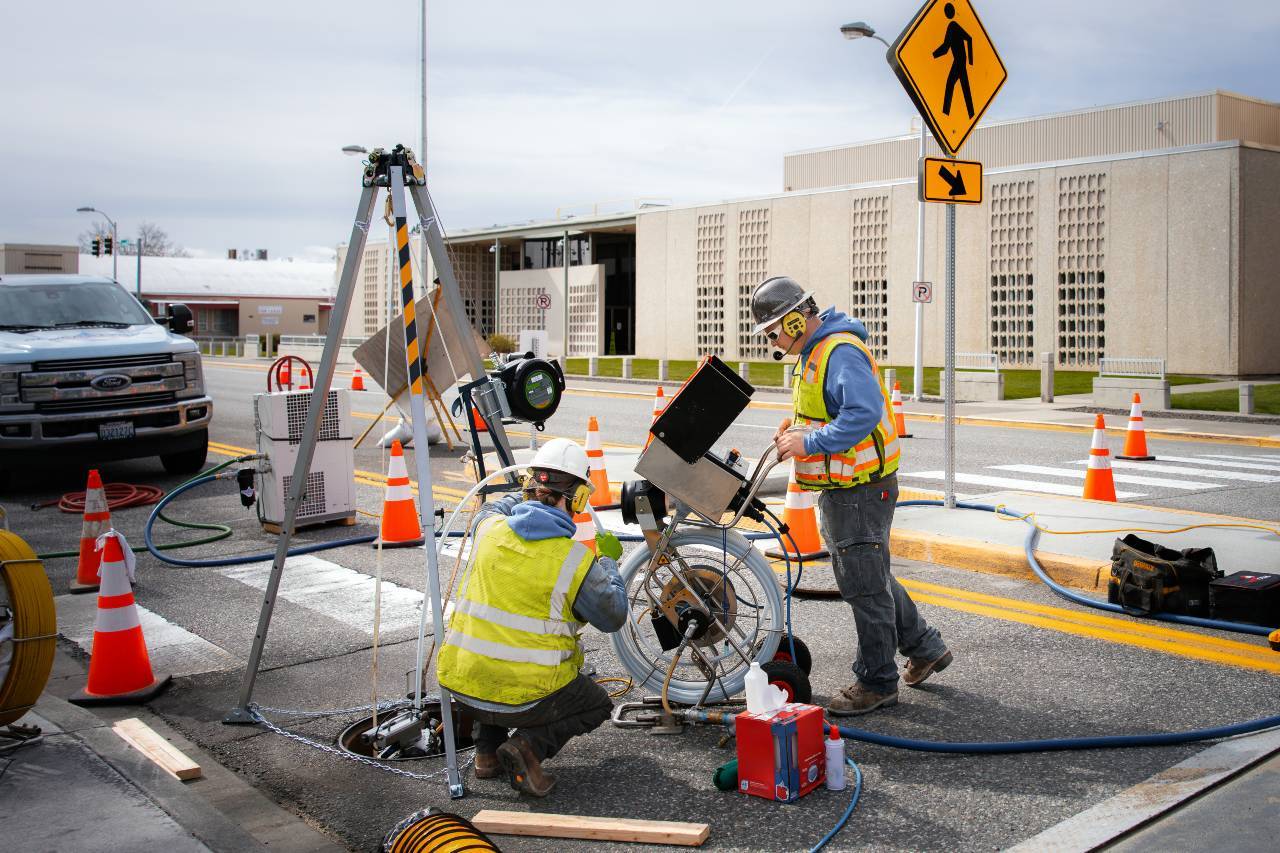
A sewer camera inspection allows technicians to view the interior of the main sewer line in real time. A waterproof camera travels through the sewer pipe and transmits clear footage to the surface. Cracks, root intrusion, corrosion, and blockages become visible without excavation.
The Environmental Protection Agency reports that sanitary sewer overflows release billions of gallons of untreated wastewater each year. Early detection through sewer camera inspection supports timely main sewer line repair. Accurate diagnosis reduces the risk of complications from broader sewer system repairs.
Locating and Evaluating Damage
Inspection does more than confirm that a problem exists. It measures the length of the damaged section of the sewer line and evaluates the structural condition of the surrounding pipe. Material type, alignment, and severity all influence the repair strategy.
Technicians also determine whether the entire sewer line has sufficient integrity for a trenchless sewer repair. A line with minor cracking may qualify for pipe lining, while extensive deformation may require sewer line replacement. These distinctions shape the scope of main sewer line repair.
Determining Trenchless Viability
Not every damaged pipe can be repaired using trenchless methods. The existing line must maintain enough structural form to allow relining or pipe bursting. Severe collapse, improper slope, structural failure, or major misalignment can limit trenchless options.
A thorough inspection clarifies whether trenchless sewer system repair is appropriate. Making that determination before work begins protects homeowners from incomplete solutions and repeated repairs.
What Is Trenchless Main Sewer Line Repair?
Trenchless main sewer line repair restores or replaces underground pipes with minimal surface disruption. Instead of digging long trenches across a yard or driveway, technicians access the sewer line through small entry points. The repair occurs largely within the existing pipe path.
How Trenchless Technology Works
Trenchless methods rely on specialized equipment designed to operate within confined underground spaces. After inspection, the pipe is cleaned and prepared to support repair or replacement. The chosen system is then installed through controlled access points.
Depending on the pipe’s condition, technicians either reinforce the existing structure or replace it entirely. The process restores flow while preserving much of the surrounding property. Main sewer line repair becomes more precise and less invasive.
How It Differs from Traditional Excavation
Traditional sewer repair requires digging along the length of the damaged line. That excavation may cross lawns, sidewalks, driveways, or landscaping features. Restoration work often follows the pipe replacement.
Trenchless sewer system repair significantly reduces the footprint. Only small entry pits are typically required to access the main sewer line. The surrounding yard remains largely intact.
Access Points and Surface Protection
Most trenchless projects use one or two controlled access locations. These entry points allow equipment to reach the damaged section without disturbing the entire pipe route. Surface disruption remains localized.
For homeowners concerned about property impact, this distinction matters. Main sewer line repair can proceed without extensive trenching across visible areas. The result is structural renewal with far less cleanup afterward.
Types of Trenchless Sewer System Repair

Trenchless sewer system repair includes more than one method. The appropriate approach depends on pipe condition and structural alignment. Inspection findings determine whether reinforcement or full replacement is required.
CIPP Pipe Lining
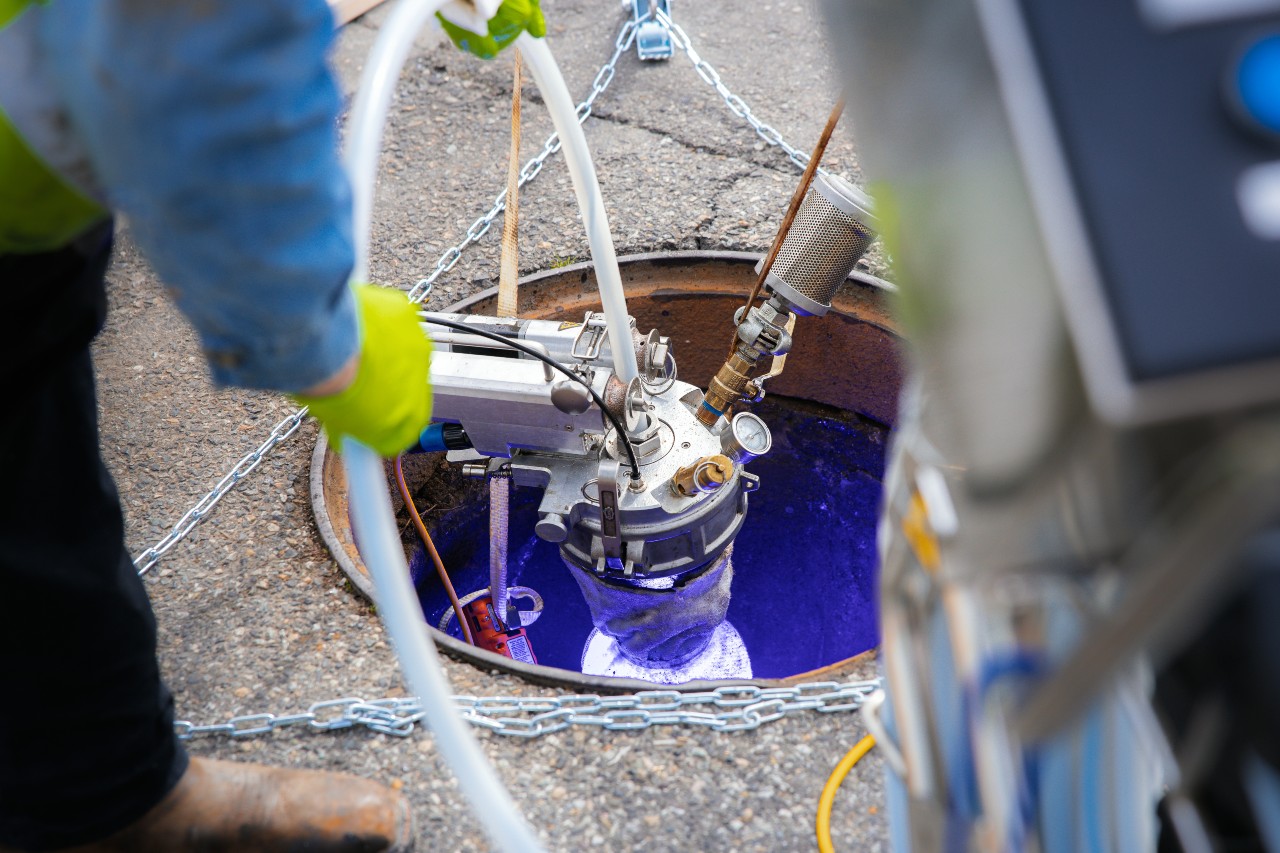
Cured-in-place pipe lining creates a new pipe within the existing main sewer line. After cleaning, a flexible liner coated with resin is inserted and positioned along the interior wall. The material hardens in place, forming a smooth, jointless surface that seals cracks and minor structural damage.
CIPP works best when the original pipe maintains its general shape. It reinforces weakened sections without removing the existing line. For many homeowners, this method offers durable main sewer line repair with minimal surface impact.
Pipe Bursting
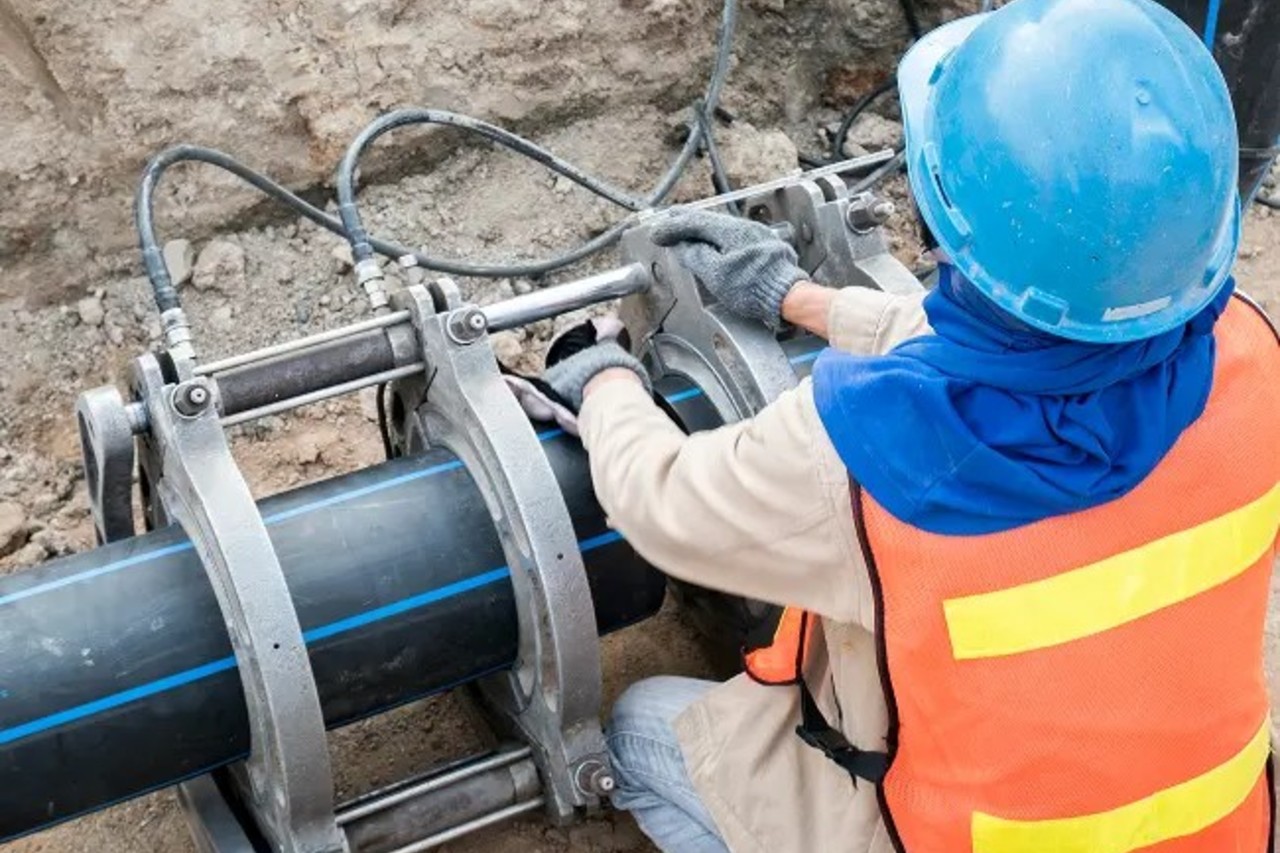
Pipe bursting replaces the damaged pipe by pulling a new pipe through the existing line. A specialized bursting head fractures the old pipe outward while the new pipe follows directly behind it. The result is a full structural replacement along the original path.
This method is appropriate when the pipe is severely deteriorated but still properly aligned. If the line has collapsed completely or shifted out of position, trenchless sewer system repair may not be viable. In those cases, traditional excavation may be required.
| Repair Method |
Best For |
Excavation Level |
Structural Renewal |
Lifespan |
| CIPP Pipe Lining |
Cracks and minor structural damage |
Minimal |
New liner inside existing pipe |
High |
| Pipe Bursting |
Severe deterioration with good alignment |
Limited access pits |
Full pipe replacement |
High |
| Traditional Excavation |
Collapse, slope issues, or major misalignment |
Significant |
Full pipe replacement |
High |
Benefits of Trenchless Main Sewer Line Repair
Trenchless main sewer line repair appeals to homeowners for practical reasons. The method focuses on restoring function while limiting surface impact. When inspection confirms viability, trenchless sewer system repair offers measurable advantages.
Reduced Property Disruption
Traditional excavation can disturb lawns, landscaping, driveways, and sidewalks. Restoring those surfaces often adds time and expense to the project. Trenchless main sewer line repair typically requires only small access points.
By preserving much of the surrounding yard, trenchless sewer system repair reduces post-project cleanup. Homeowners avoid extensive reconstruction of hardscaping and planted areas. The result is a repair that addresses the pipe without reshaping the property.
Faster Completion and Long-Term Durability
Trenchless methods generally require less excavation time. With limited digging and controlled installation, projects often move more efficiently from diagnosis to completion. That shorter timeline reduces inconvenience inside and outside the home.
Modern lining materials and replacement pipes are engineered for durability. When properly installed, trenchless main sewer line repair delivers long service life comparable to traditional replacement. Structural integrity is restored without full trench excavation.
Lower Restoration Costs
Excavation often entails hidden costs for landscaping and surface repairs. Replacing concrete, regrading soil, and replanting grass can extend the overall expense. Trenchless sewer system repair reduces the need for secondary restoration.
By minimizing disruption, homeowners often see better alignment between project scope and final cost. Main sewer line repair focuses on the pipe itself rather than large-scale property reconstruction. That efficiency supports long-term value.
When Traditional Excavation May Still Be Required
Trenchless sewer system repair is effective in many situations, but not every pipe is a candidate. Structural condition and alignment determine whether trenchless main sewer line repair is feasible. In some cases, direct excavation remains the safest solution.
Structural Collapse or Severe Misalignment
If a main sewer line has collapsed completely, trenchless lining cannot restore its shape. Pipe bursting also requires a relatively stable path to pull a new pipe through the existing line. When alignment is compromised, excavation allows technicians to reset grade and structural positioning.
An improper slope can cause chronic drainage issues even after repair. In those cases, correcting the grade may require open access to the pipe. Traditional main sewer line repair addresses both the structure and the supporting soil conditions.
Limited Access Conditions
Trenchless methods depend on viable entry and exit points. In rare cases, site conditions restrict safe access for equipment. Obstructions, utility conflicts, or severe bends may limit trenchless options.
When access is restricted, excavation provides full visibility and control. While more disruptive, traditional sewer system repair may offer the most stable long-term correction. Inspection results ultimately guide the decision.
Cost Considerations

The cost of main sewer line repair depends largely on the severity of the damage and site accessibility. A localized crack requires far less labor than a collapsed or misaligned section. Trenchless sewer system repair can reduce excavation and surface restoration costs compared to traditional digging.
Experienced professionals prevent guesswork. A thorough inspection defines the scope before pricing and clarifies whether repair or full replacement delivers stronger long-term value. Informed sewer system repair decisions balance immediate cost with durability.
A Smarter Approach to Main Sewer Line Repair
We know that main sewer line repair is not something homeowners anticipate, yet it requires steady judgment when problems appear. Acting early protects property and limits disruption. Careful inspection helps us choose the right solution.
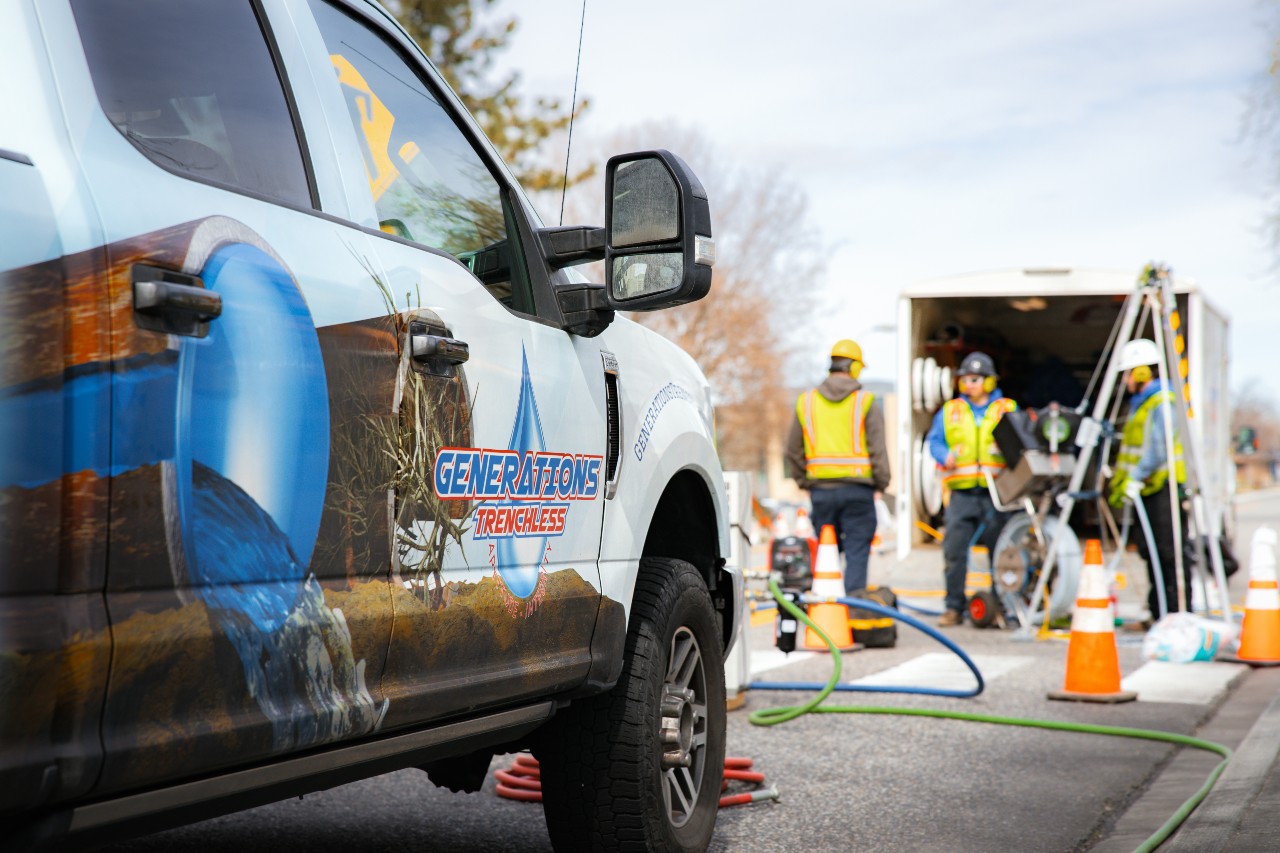
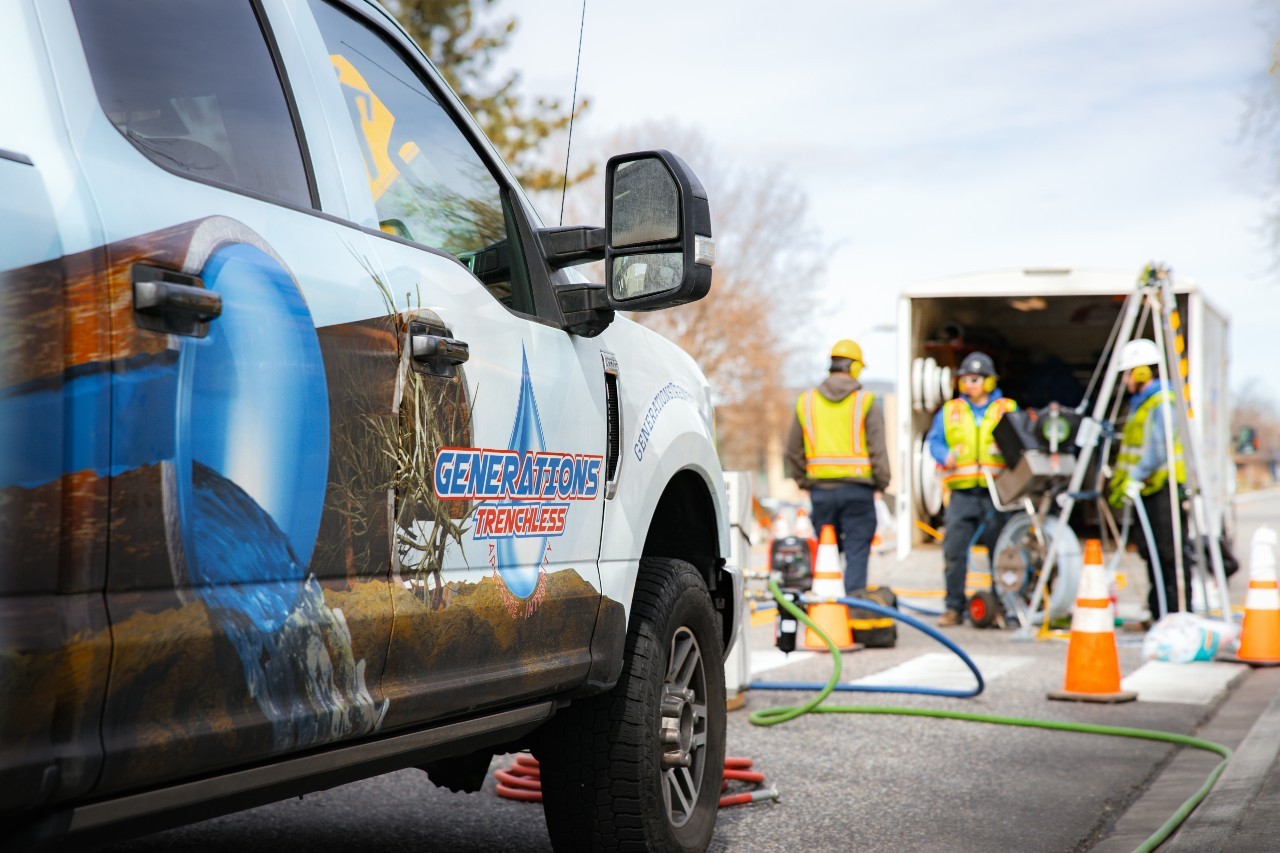
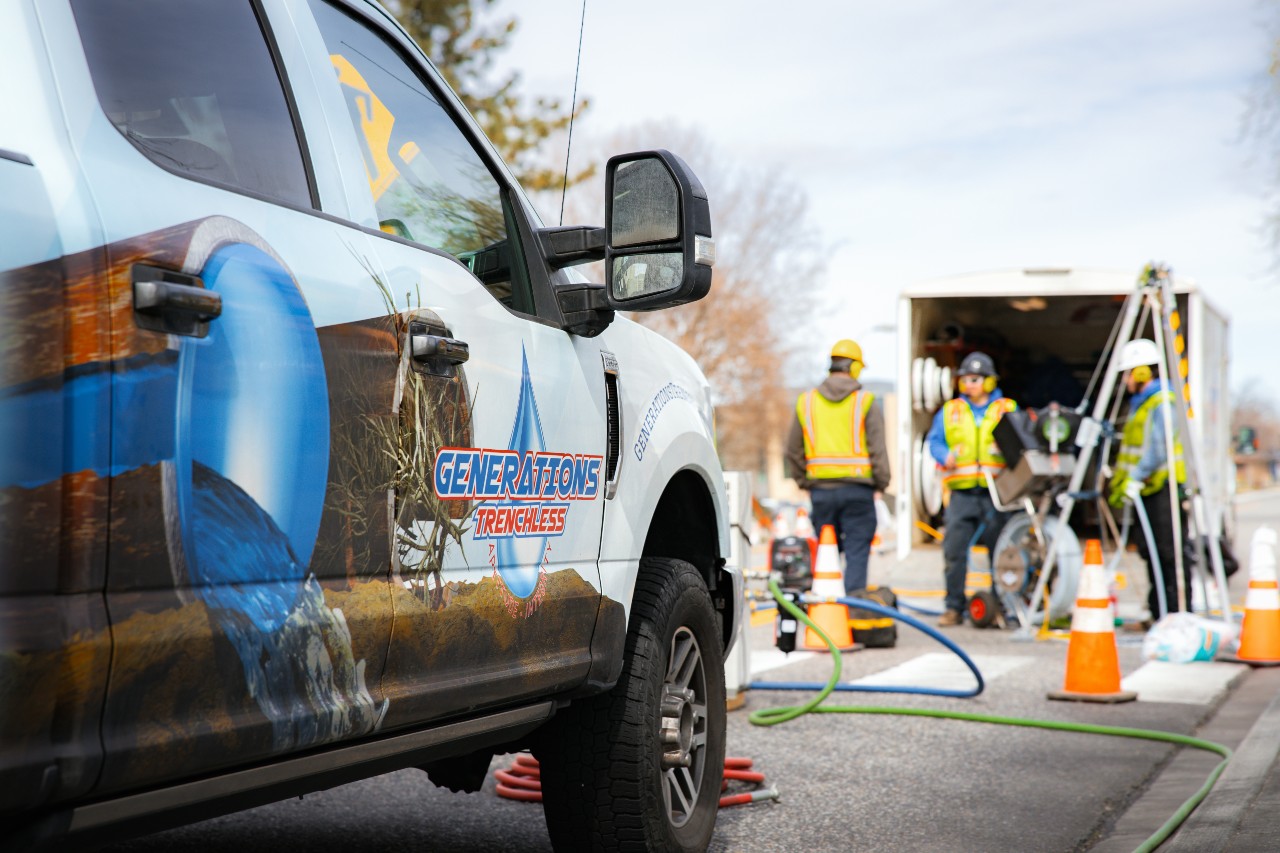
At Generations Trenchless and Plumbing, we evaluate each sewer system repair with precision and transparency for homeowners in Richland, Kennewick, and Pasco. We explain trenchless and traditional options clearly and recommend efficient, long-lasting solutions grounded in performance.
If you are noticing warning signs or simply want certainty about your sewer line, schedule a sewer camera inspection with Generations Trenchless and Plumbing to determine whether trenchless main sewer line repair is the right solution for your home.