A slow drain suddenly turns into a backup. The smell lingers near the basement floor drain. Outside, a patch of lawn feels softer than the rest. What starts as a nuisance can quickly signal the need for residential sewer line repair.
Water damage is one of the most common and costly issues homeowners face. The Environmental Protection Agency notes that aging wastewater infrastructure increases the risk of sewer backups. Ignoring early warning signs of a sewer line failure can allow small pipe failures to escalate.
The good news is that not every issue requires a full excavation or line replacement. Modern sewer line repair services offer options ranging from localized repairs to trenchless repair and pipe relining.
Understanding how each repair method works helps you protect your home without overcorrecting. What you’ll learn in this guide:
- Common causes of residential sewer line damage
- How professionals diagnose sewer problems
- The difference between spot repairs, sewer line replacement, and trenchless sewer repair solutions
- How to determine which sewer line repair option is right for your home
Causes of Sewer Line Damage
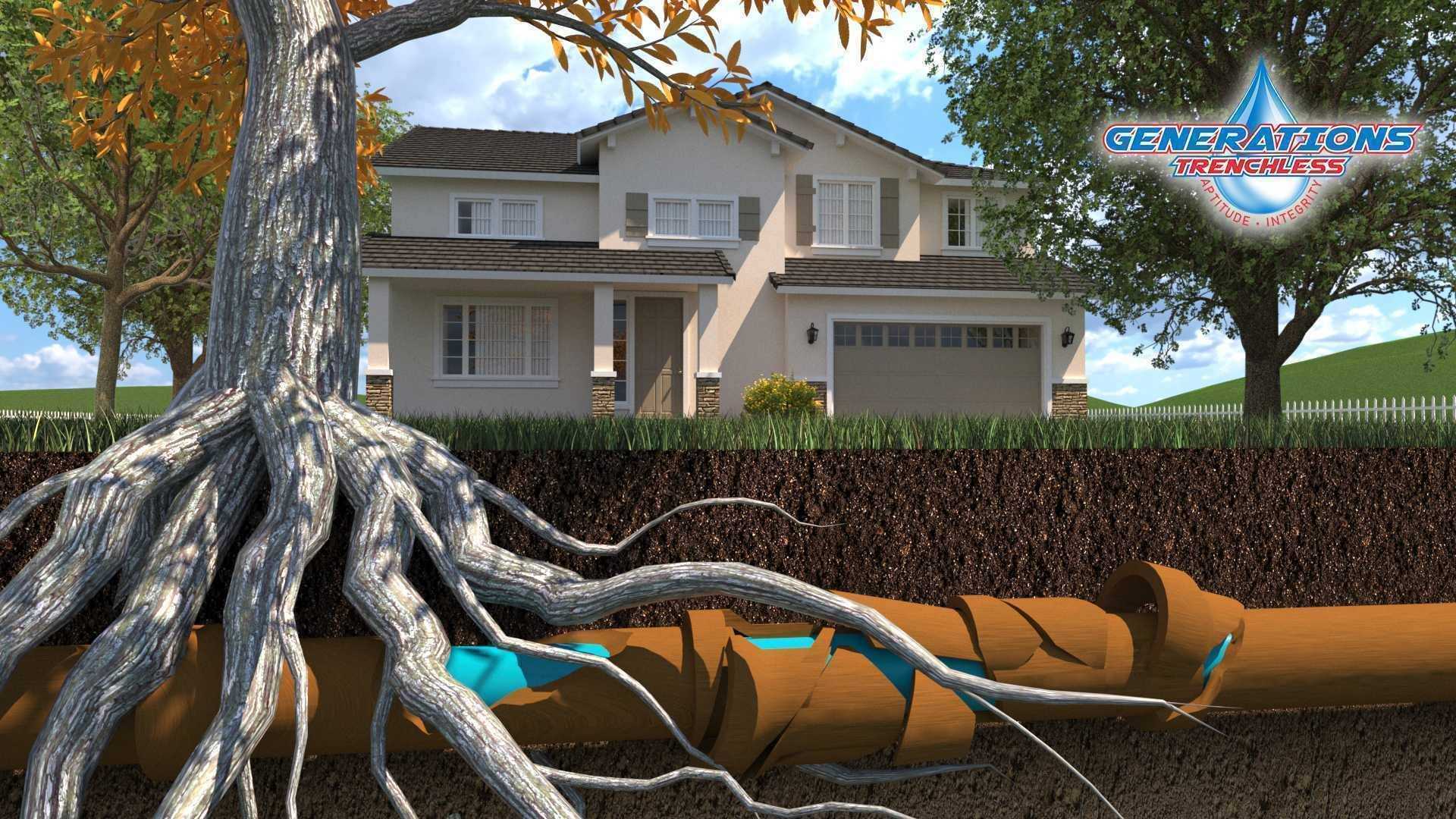
Most sewer line problems do not happen overnight. They develop slowly beneath the surface of residential sewer lines, often without visible warning. Understanding what causes sewer line damage helps homeowners recognize why residential sewer line repair becomes necessary in the first place.
Aging Pipes and Corrosion
Many homes still rely on older clay pipes, cast iron pipes, or Orangeburg sewer pipes. Over time, these materials weaken or corrode from constant moisture and waste flow. As sewer pipes deteriorate, small fractures expand until leaks or blockages form.
Corrosion can also narrow the interior diameter of drain pipes and other drain lines. That restriction slows drainage and increases pressure inside the main sewer line. Eventually, the sewer system can no longer handle normal household use.
Tree Root Intrusion and Soil Movement
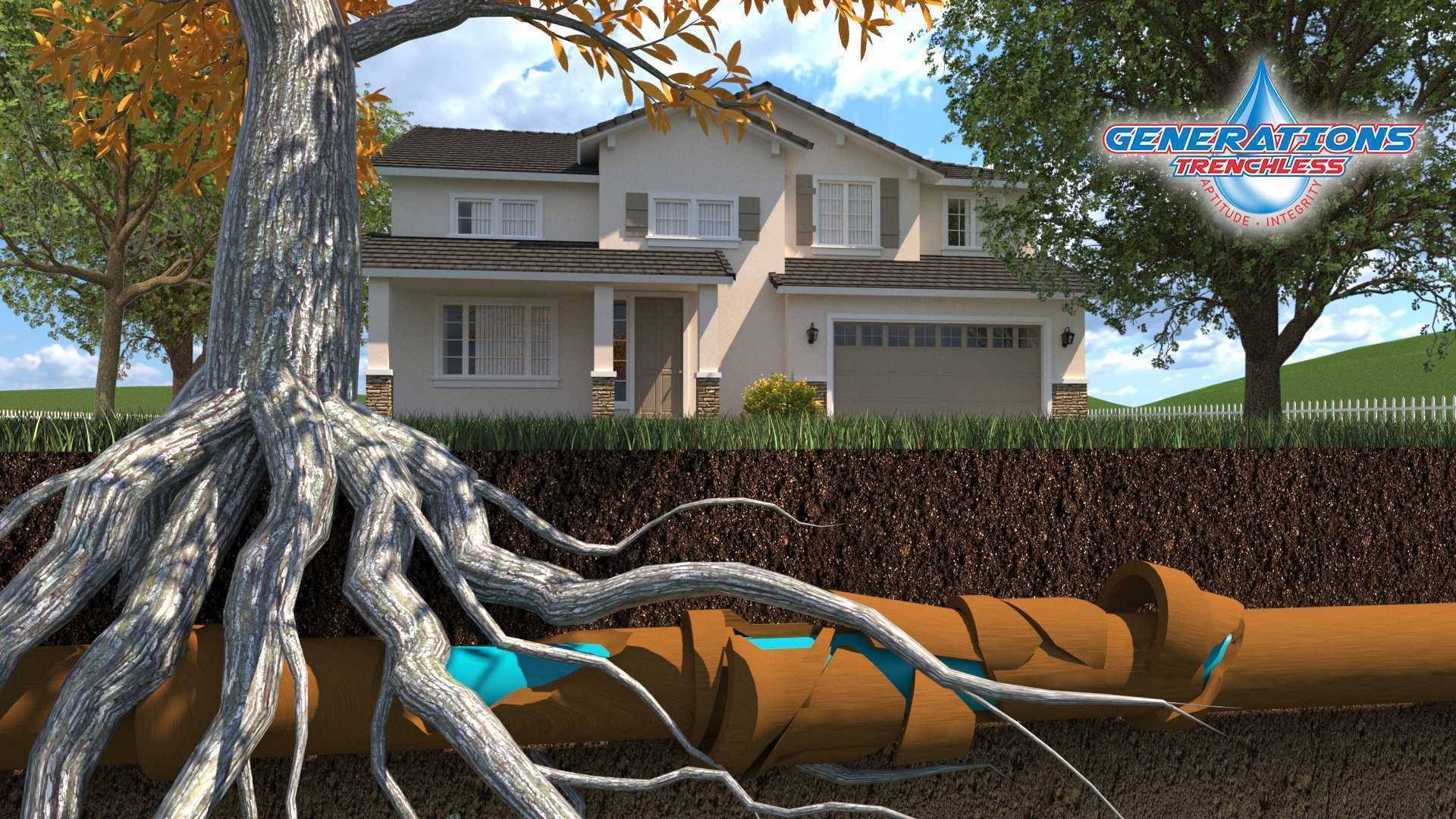
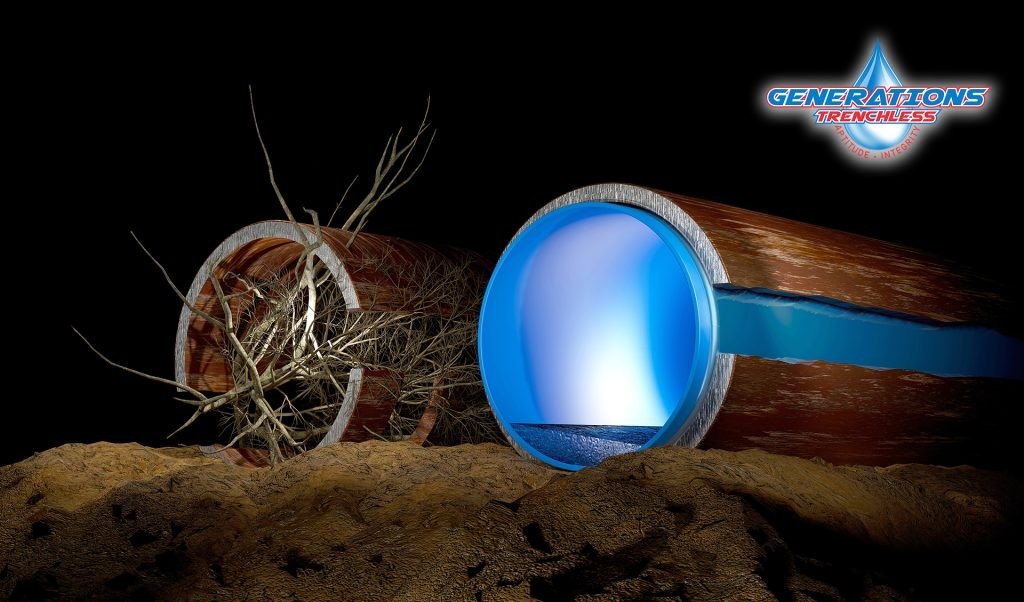
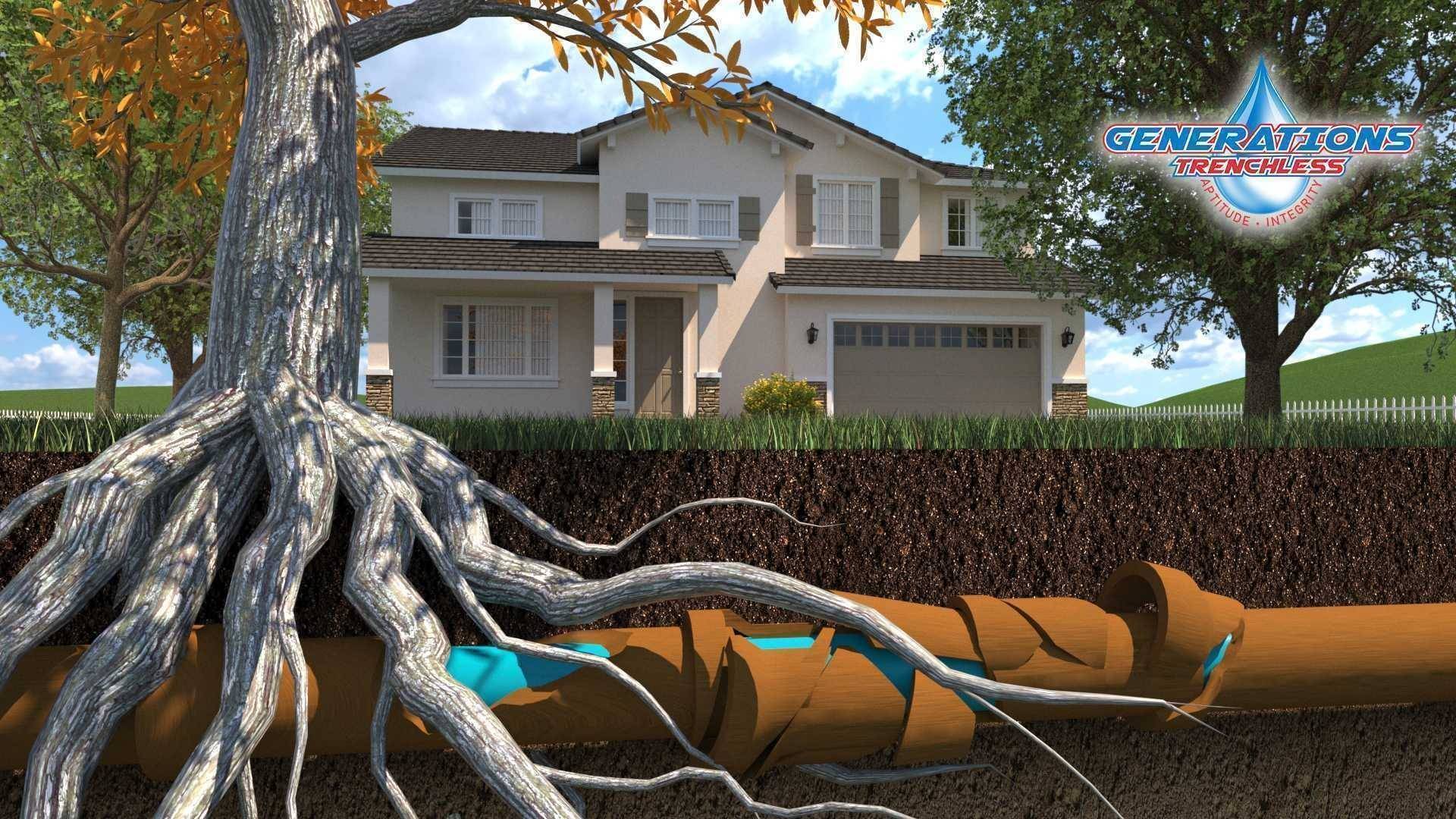
Tree roots are drawn to moisture, and even the smallest pipe crack can become an entry point. Once inside sewer pipes, roots expand and trap debris and other debris, gradually creating a stubborn blockage. Left untreated, root intrusion can lead to a broken sewer pipe or a damaged sewer line.
Ground shifting adds another layer of stress. Soil expands during wet seasons and contracts during dry periods. That movement can misalign pipe joints or cause sections of the main sewer line to sag.
Improper Installation or Past Repairs
Not every sewer issue stems from age. Pipes installed without proper slope or bedding may struggle from the start. Low spots collect waste and paper products, increasing the likelihood of a main line clog.
Previous patchwork sewer repair can also create weak points. If earlier sewer line repair services addressed only surface symptoms, underlying structural damage to sewer pipes may remain. Over time, those vulnerabilities resurface, requiring additional line repair and replacement.
Diagnostic Process Before Repair
Before any residential sewer line repair begins, the real work happens behind the scenes. The right solution depends on what is actually happening inside the pipe. Professional sewer line repair services rely on camera inspection and video inspection to avoid guesswork and unnecessary excavation.
Sewer Camera Inspection
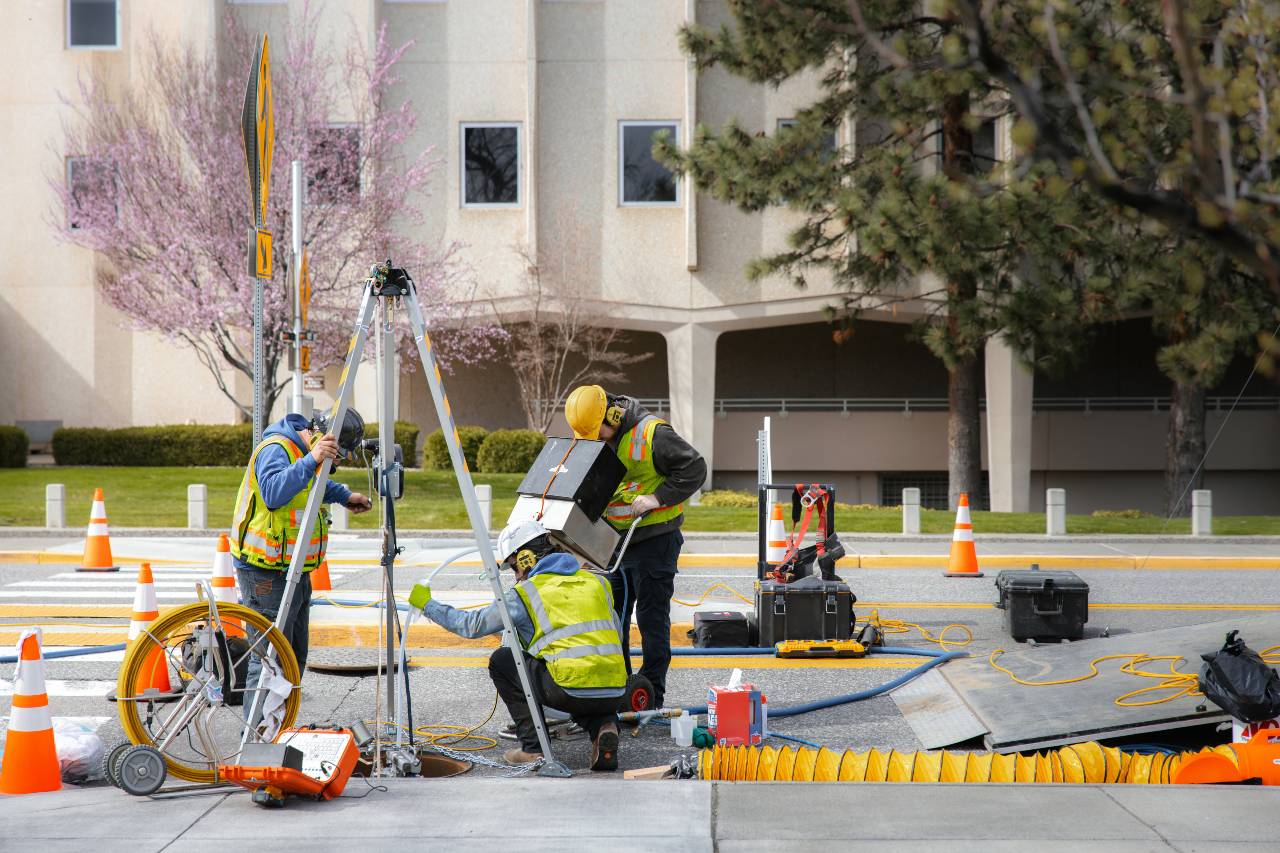
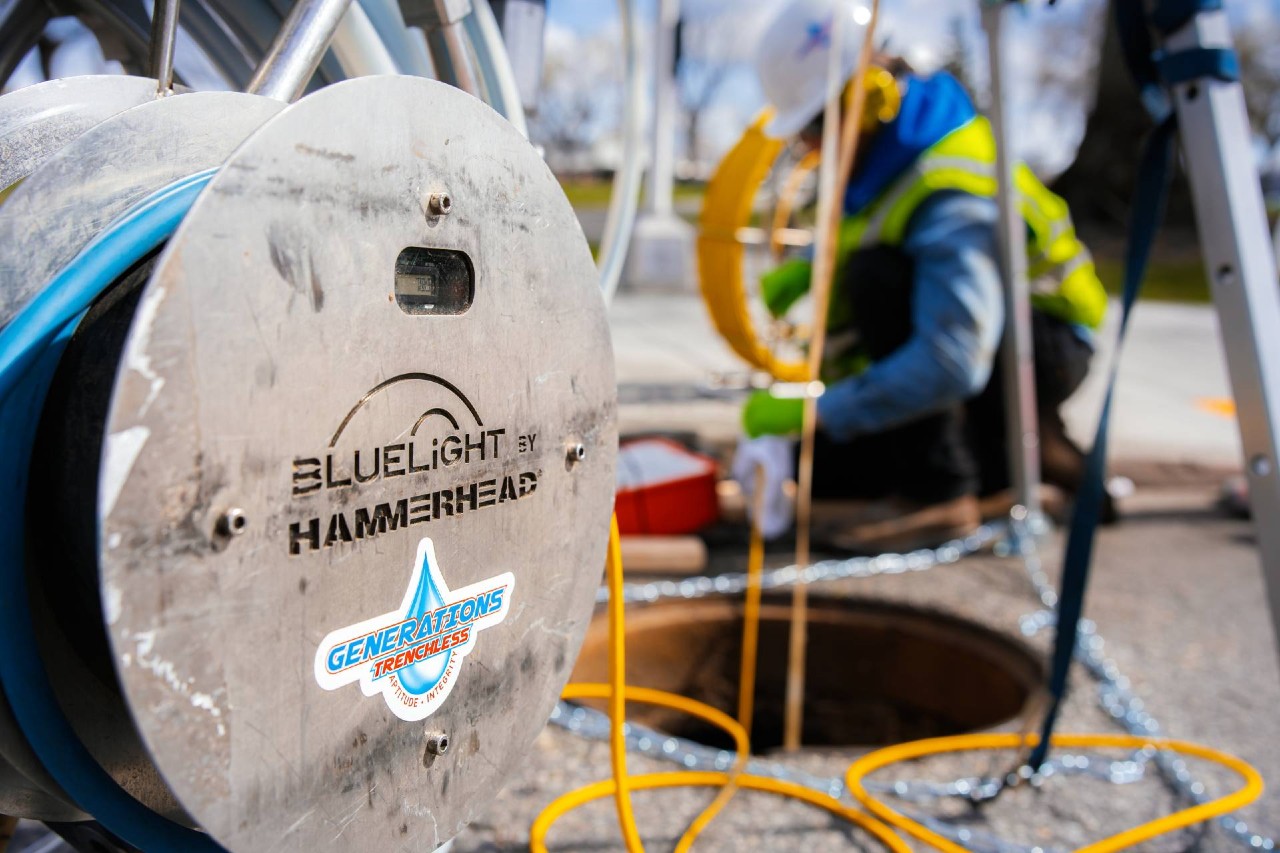
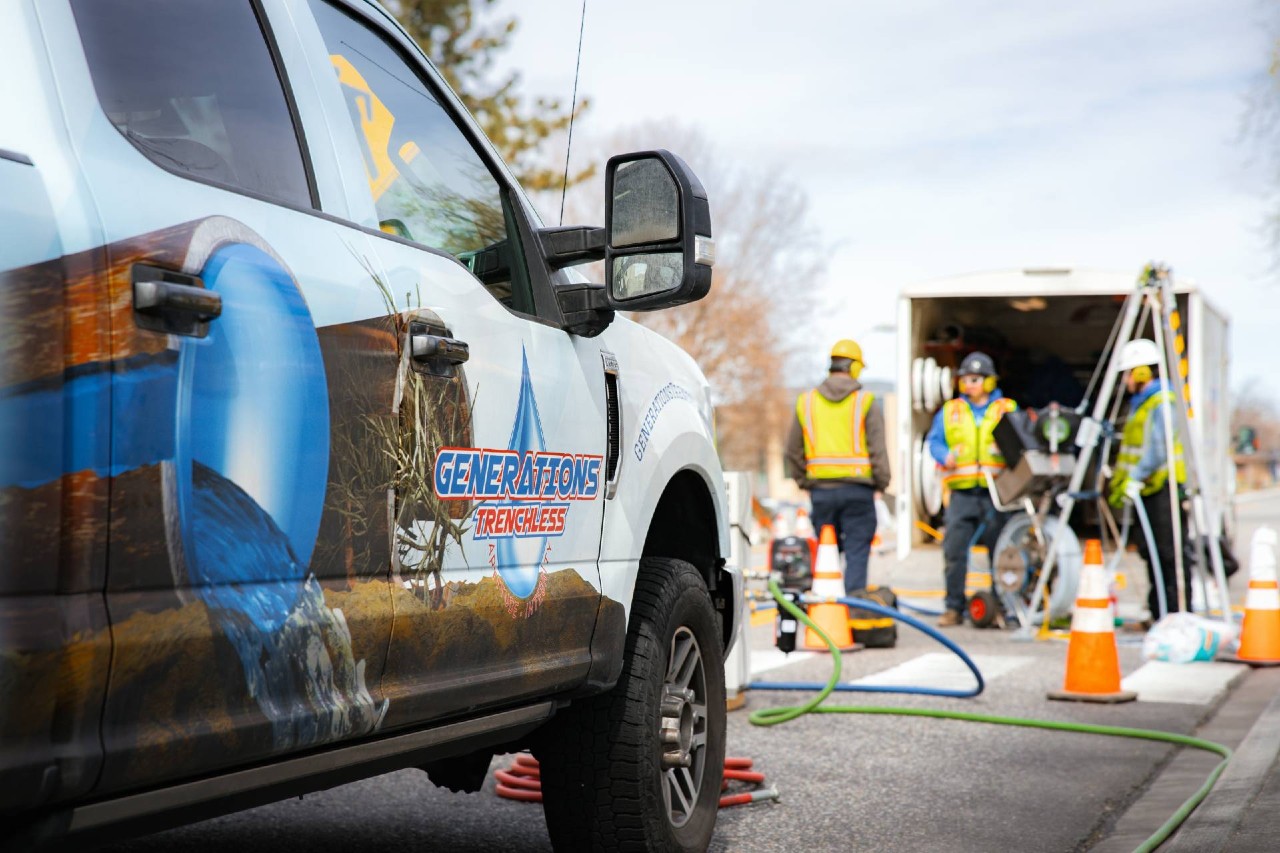
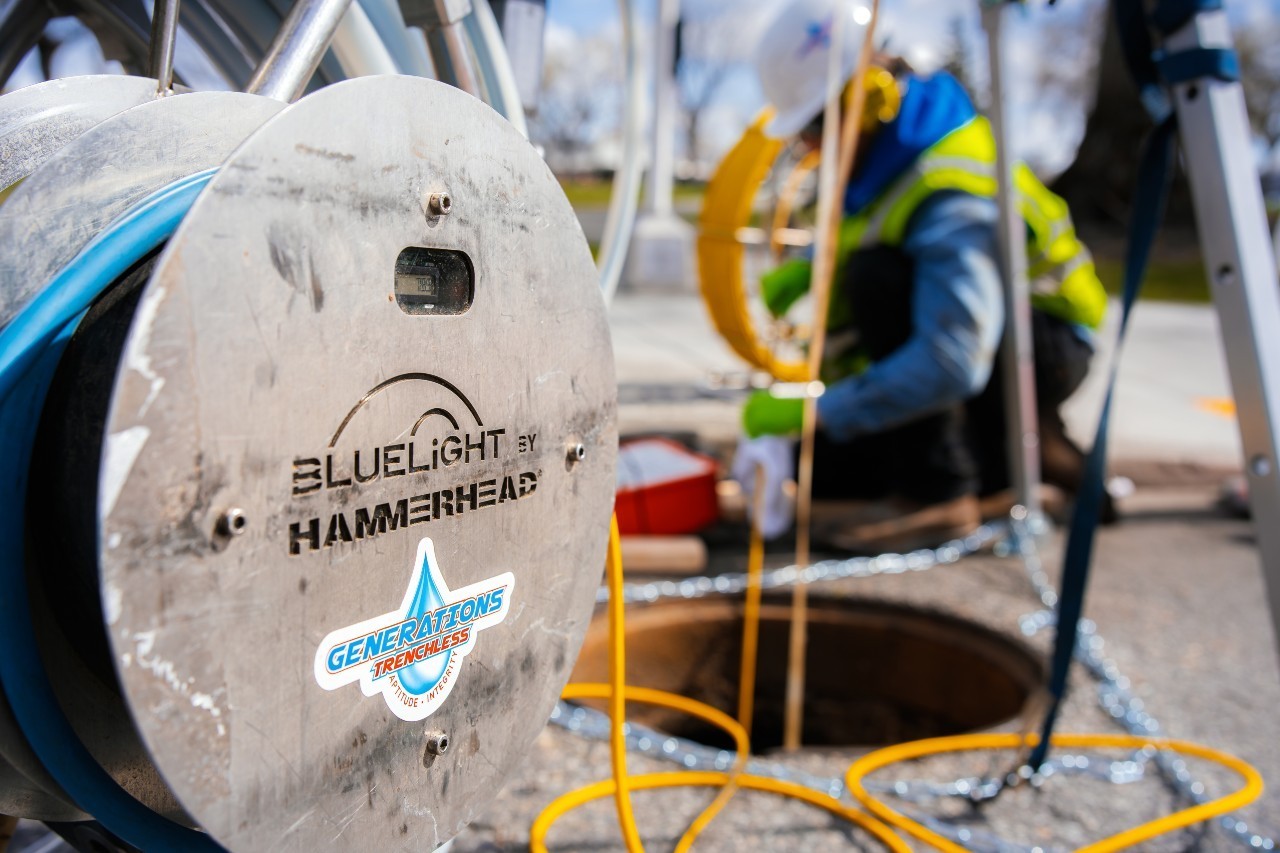
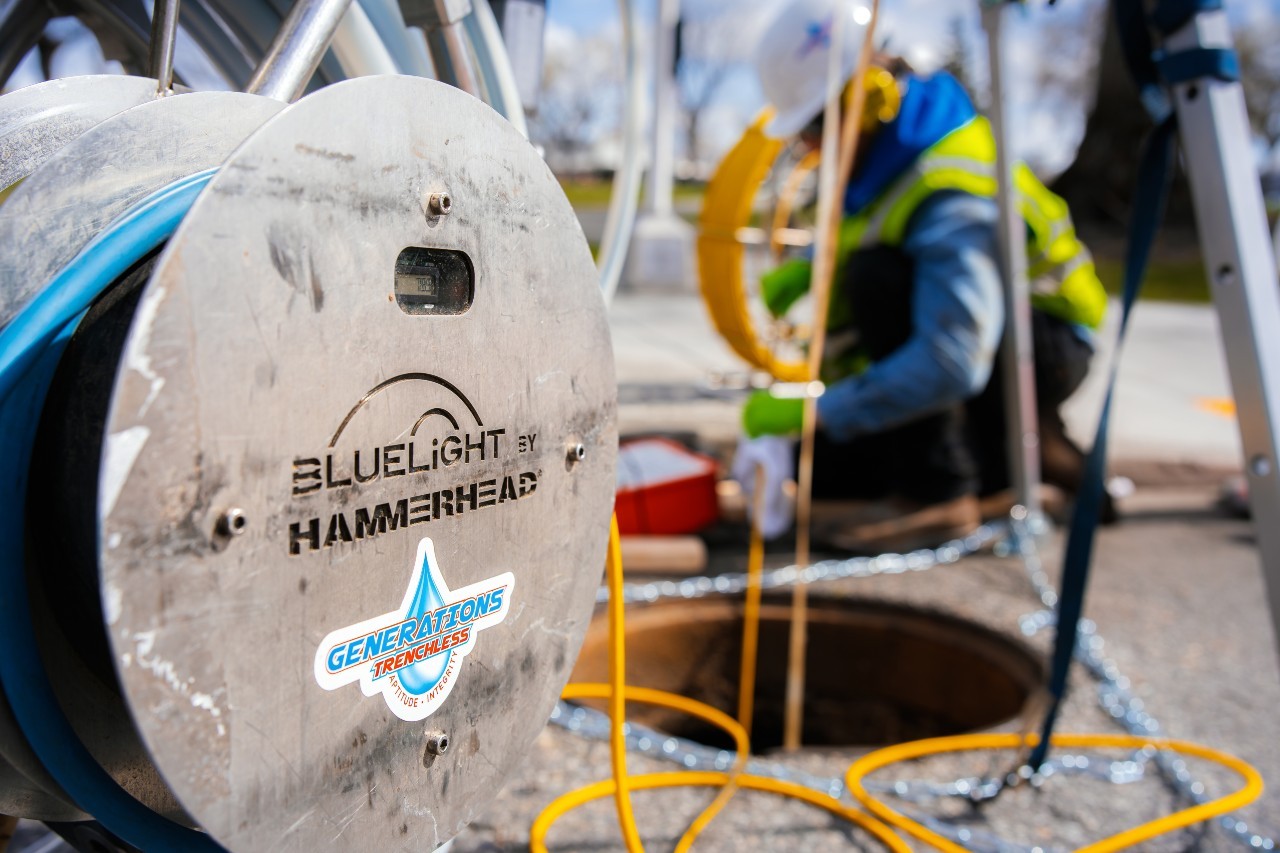
A sewer camera inspection allows technicians to see the interior of the pipe in real time. A small waterproof camera travels through the line, transmitting footage to a monitor above ground. This video inspection reveals cracks, blockages, root intrusion, corrosion, or collapsed sections within sewer pipes.
Rather than digging blindly, plumbers can pinpoint the exact location and extent of the sewer line damage. The American Society of Civil Engineers reports that much of the nation’s wastewater infrastructure is aging and deteriorating, making pre-residential sewer line repair inspections essential.
Identifying Pipe Material and Damage Severity
Not all sewer lines are built the same. Older homes may contain clay or cast-iron pipes or other outdated materials that may respond differently to repair methods. Newer systems may use PVC.
Understanding pipe material helps determine whether spot fixes, trenchless sewer line repair, pipe lining, or full sewer line replacement is appropriate. The severity of the damage also matters. A single damaged pipe requires a different repair method than widespread deterioration.
Why Inspection Determines the Right Solution
Professional sewer line repair services do not recommend solutions without clear evidence. An inspection provides measurable data about pipe condition, alignment, and structural integrity within the sewer system. That information guides whether a localized repair will hold or whether sewer replacement is necessary.
A thorough diagnostic process protects homeowners from overspending. It also reduces the risk of further issues caused by incomplete sewer repair.
Spot Repairs (Localized Fixes)

Not every sewer problem requires a full replacement. When damage is limited to a specific section of pipe, residential sewer line repair may involve a targeted fix rather than a system-wide overhaul. The key is confirming that the rest of the line remains structurally sound.
What a Spot Repair Involves
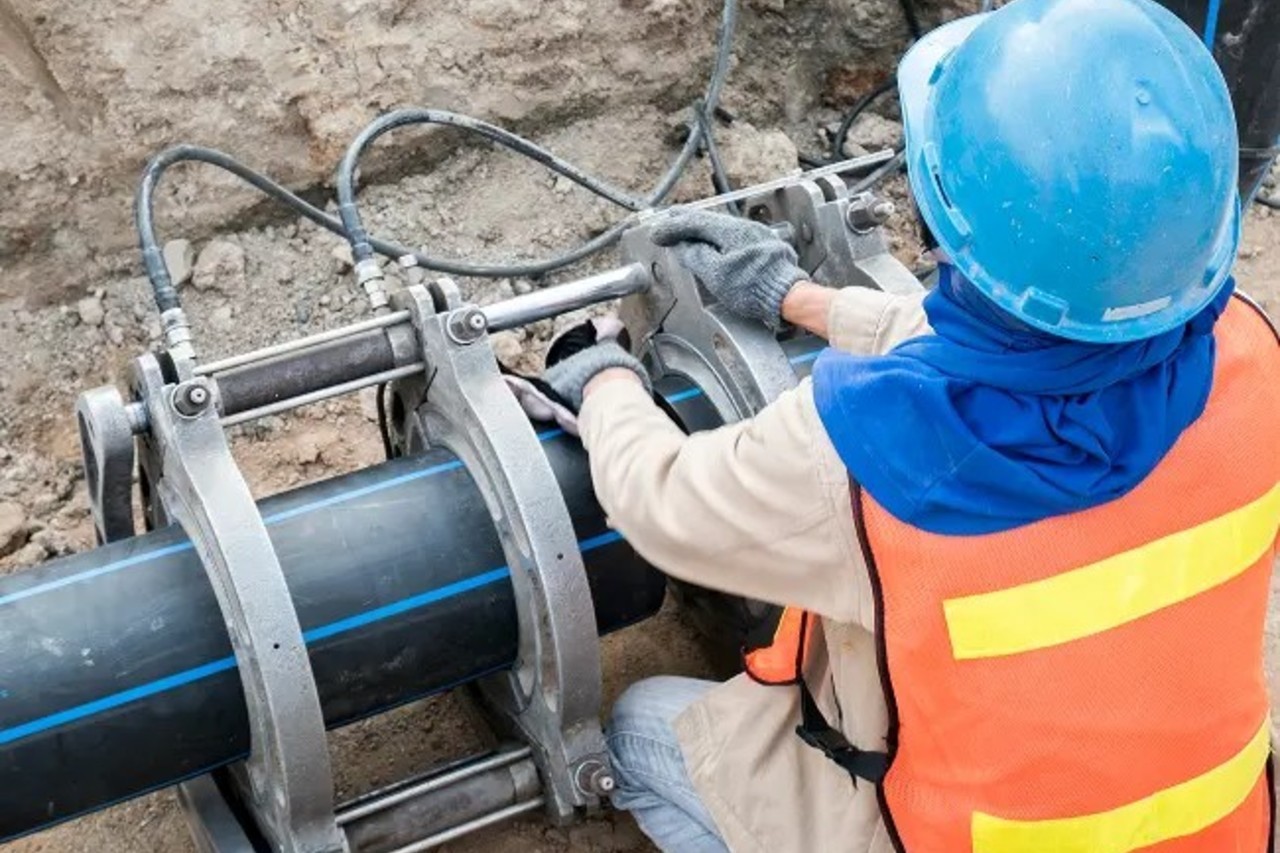
A spot repair focuses on a defined section of damaged pipe. Technicians excavate only the affected area, remove the compromised portion, and install a new pipe in its place. The remaining sewer line stays intact.
This repair method works best when camera inspection shows isolated cracks, small collapses, or localized root intrusion. It addresses the sewer line problem directly without disturbing the entire yard.
When a Localized Repair Is Appropriate
A localized repair is typically appropriate when the rest of the sewer line is in good condition. Newer systems with a single fracture often qualify. So do older lines with one identifiable weak point but no widespread deterioration.
If damage appears in multiple sections, however, a spot fix may only delay the need for larger sewer repairs. Professional sewer line repair services rely on inspection data to determine whether a localized solution will hold.
Pros and Limitations of Spot Repairs
The primary advantage of spot repairs is limited excavation and lower cost. For isolated sewer line damage, this approach can quickly restore proper flow.
Limitations of spot repairs center on the scope. Isolated repairs do not improve aging sections elsewhere in the line. If corrosion or root intrusion exists beyond the repaired area, additional residential sewer line repair may be needed later.
Traditional Sewer Line Replacement
When damage affects long stretches of pipe or compromises structural integrity, localized repairs may no longer be reliable. In these situations, replacing the entire affected line provides a more stable long-term solution.
When Full Replacement Is Necessary
Widespread damage or structural failure affects large sections of pipe, and full replacement may be necessary. Recurring backups or a damaged sewer line that compromises the entire line often signal that sewer repair alone is not enough.
Excavation and Property Impact
Traditional replacement requires excavation to access the main sewer line. Depending on the depth and length of the pipe, this may involve digging trenches across the yard, driveway, or landscaping.
Professional sewer line repair services plan excavation carefully to minimize unnecessary disturbance. Still, homeowners should expect some restoration work after sewer pipe replacement is completed.
Benefits and Drawbacks of Traditional Methods
The primary benefit of full replacement is durability. A new pipe provides a fresh sewer system with a full service lifespan.
Drawbacks of traditional solutions are disruption and higher line-replacement costs. Excavation is labor-intensive and may affect landscaping or hardscaping. For that reason, traditional replacement services are reserved for situations in which less-invasive residential sewer line repair options are not viable.
Trenchless Sewer Line Repair Options
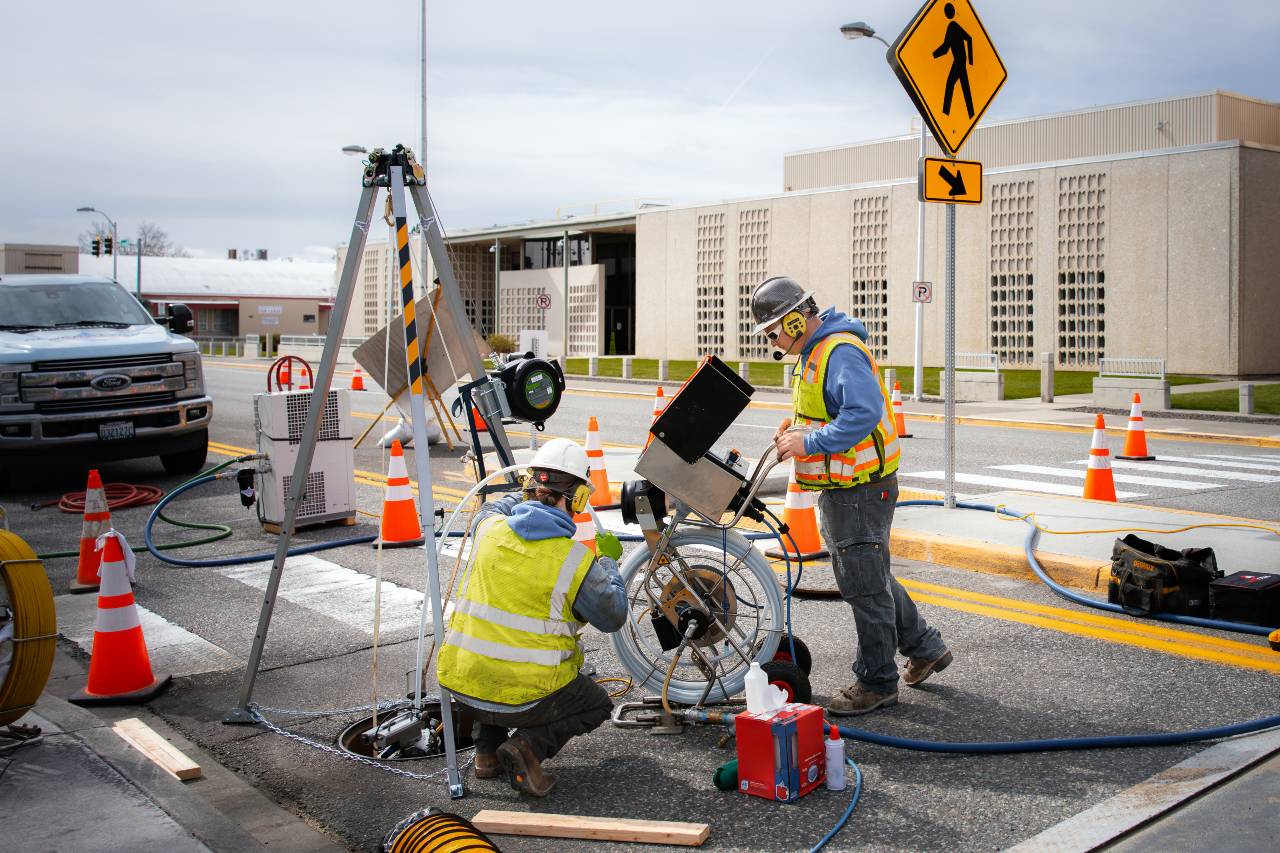
Not all residential sewer line repairs require extensive excavation. Trenchless sewer line repair services use specialized equipment to restore or replace underground pipes with minimal digging. These trenchless repair methods reduce disruption while still delivering durable results.
Pipe Relining (CIPP – Cured-In-Place Pipe)
Pipe relining, also called pipe lining, creates a new pipe inside the existing one. After cleaning the line, technicians insert a flexible liner coated with resin. The liner hardens in place, forming a smooth interior surface along the pipe walls.
This trenchless sewer repair method works best when the pipe is structurally intact but cracked or leaking. It seals small fractures and root entry points without removing the original pipe.
Pipe Bursting
Pipe bursting replaces the old pipe by pulling a new pipe through the existing line. A specialized bursting head breaks apart the damaged pipe while the new pipe is installed behind it.
This trenchless sewer line repair approach is appropriate when the original line is severely damaged but accessible from entry points at either end. Compared to traditional excavation, pipe bursting typically requires fewer access pits.
Comparing Repair Options
Choosing the right residential sewer line repair depends on severity, budget, and long-term goals. Some solutions address isolated damage, while others restore the entire sewer system. Comparing disruption and durability helps homeowners make an informed decision.
Sewer Repair Comparison
| Option | Best For | Disruption | Longevity |
| Spot Repair | Isolated cracks/roots | Localized | Moderate |
| Traditional | Widespread failure | Significant | High |
| Relining (CIPP) | Minor structural damage | Minimal | High |
| Pipe Bursting | Severe damage | Limited | High |
Spot repairs typically offer a lower upfront cost but may not address aging pipe elsewhere. Traditional replacement provides a full reset but involves more property impact.
Trenchless sewer line repair services often balance durability with minimal disruption. The right residential sewer line repair method depends on inspection findings and long-term performance goals.
How to Know Which Repair Is Right
Selecting the correct residential sewer line repair method depends on inspection results, pipe condition, and long-term goals. Not every sewer problem requires full replacement.
Severity of Pipe Damage
Minor cracks, small root intrusions, or a single compromised section may qualify for a spot repair. When damage is localized and the rest of the line remains stable, targeted sewer repair can restore proper flow.
If inspection reveals widespread corrosion, multiple fractures, or collapse, more comprehensive sewer line repair services may be necessary.
Age and Material of the Sewer Line
Older clay or cast-iron pipes are more prone to failure. If the material has reached the end of its expected lifespan, repeated repairs may only provide temporary relief.
Newer PVC systems with isolated damage often respond well to localized or trenchless sewer line repair.
Budget and Long-Term Value
Short-term affordability matters, but so does long-term reliability. A lower-cost repair may solve the immediate issue but leave aging sections untouched.
Professional sewer line repair services evaluate cost in context. The goal is to match the repair method to both current needs and long-term performance expectations.
Benefits of Professional Sewer Line Repair Services
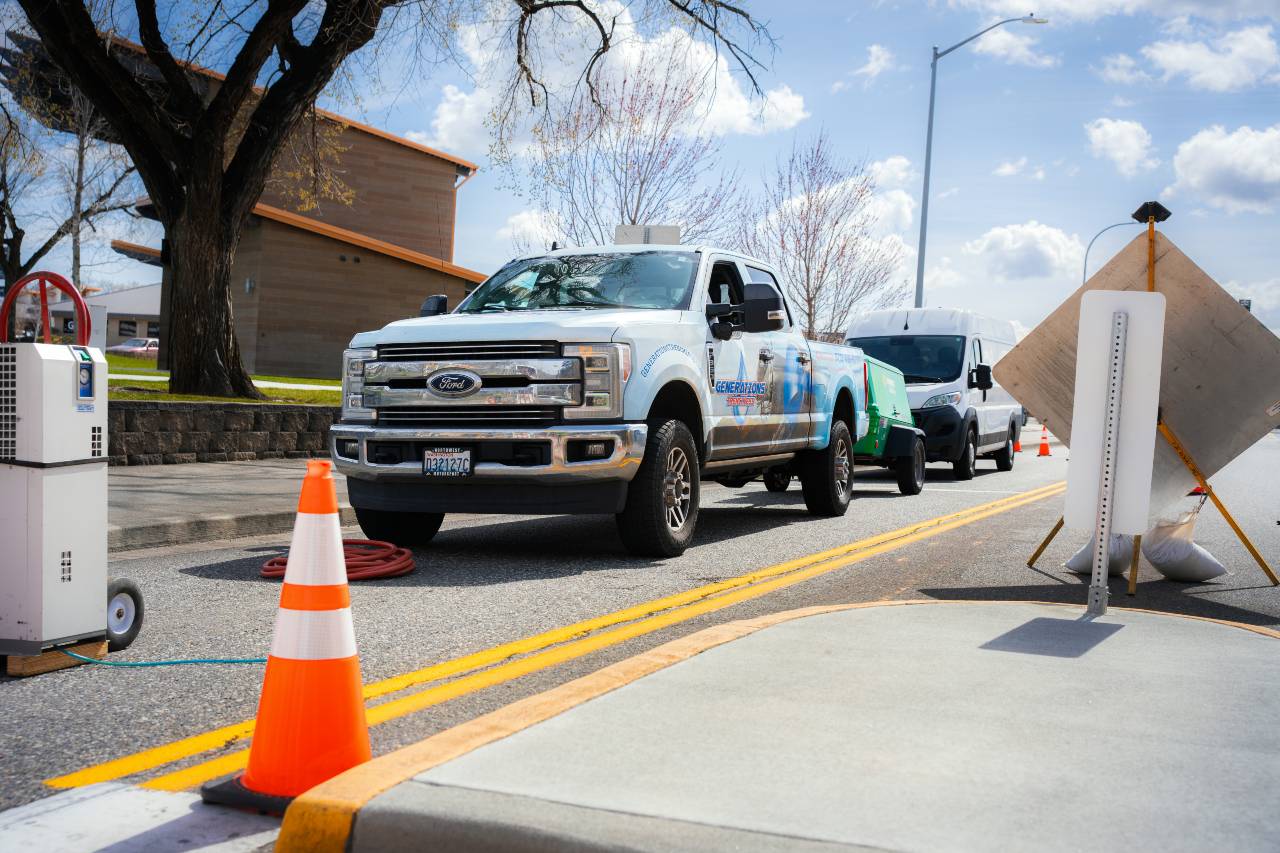
Professional sewer line repair services provide accurate diagnostics before any digging begins. Sewer camera inspection, video inspection, and precise locating reduce guesswork and prevent unnecessary disruption. That accuracy leads to a residential sewer line repair solution that addresses the true cause of the problem.
Experienced technicians focus on long-term durability. Proper materials, correct slope, and secure connections help prevent repeat backups and further issues. Choosing qualified professionals protects your property and plumbing system.
Choosing the Right Residential Sewer Line Repair
Sewer problems rarely improve on their own. Early evaluation protects your home from structural damage and escalating costs. The right residential sewer line repair begins with clarity, not assumptions.
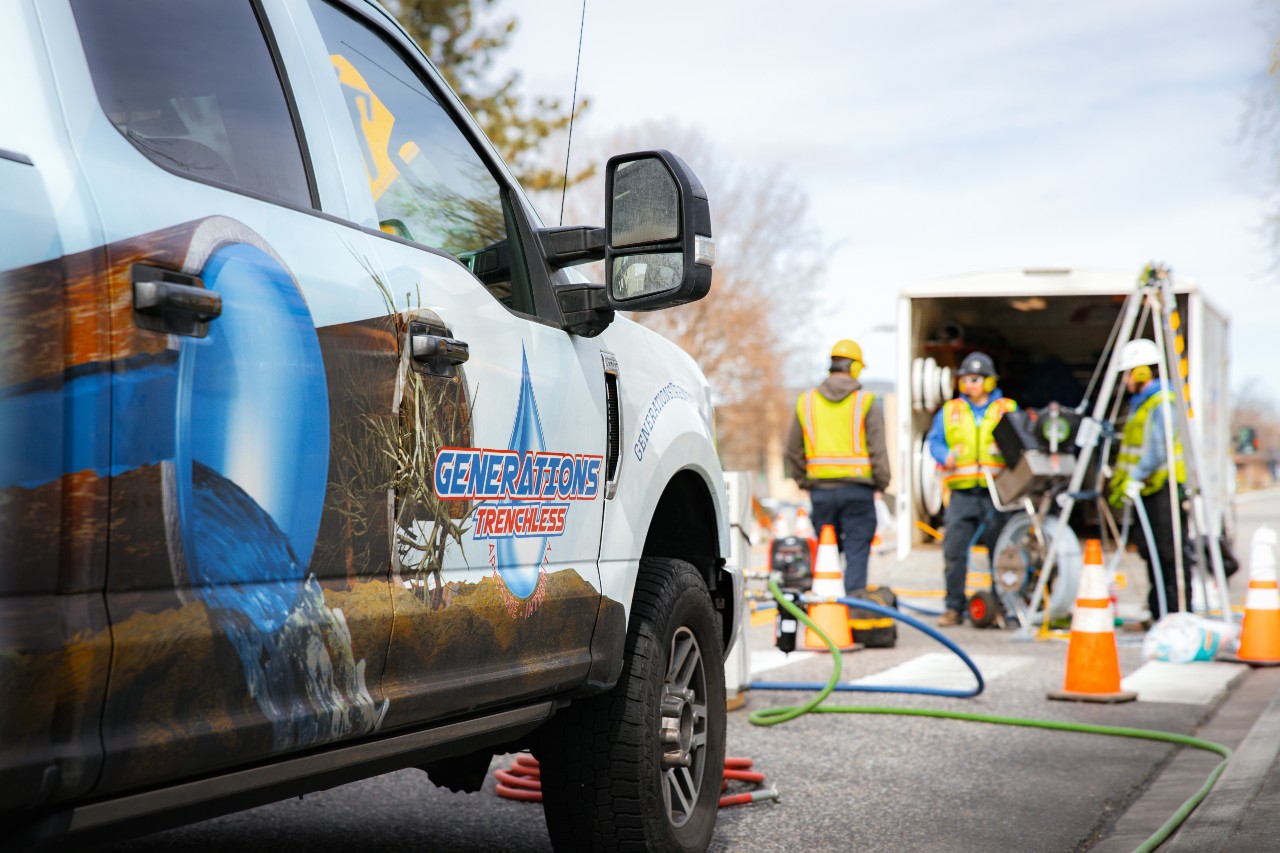
At Generations Trenchless and Plumbing, we approach sewer line repair services with precision and transparency for homeowners in Richland, Kennewick, and Pasco. Our team evaluates your system carefully and recommends a solution aligned with both the condition of your pipe and your long-term goals.
Delaying action increases risk and uncertainty. Schedule a sewer camera inspection with Generations Trenchless and Plumbing to determine the best residential sewer line repair option for your home.