An aging sewer pipe can sneak up on you at the worst possible time. Even a single backup or slow drain can leave you spending half the day with a plunger in your hand.
Fortunately, CIPP sewer linings offer you a way to rehabilitate an existing pipe without shredding your yard, a nice long-term fix that doesn’t require extensive excavations.
Introduction to Aging Sewer Pipes
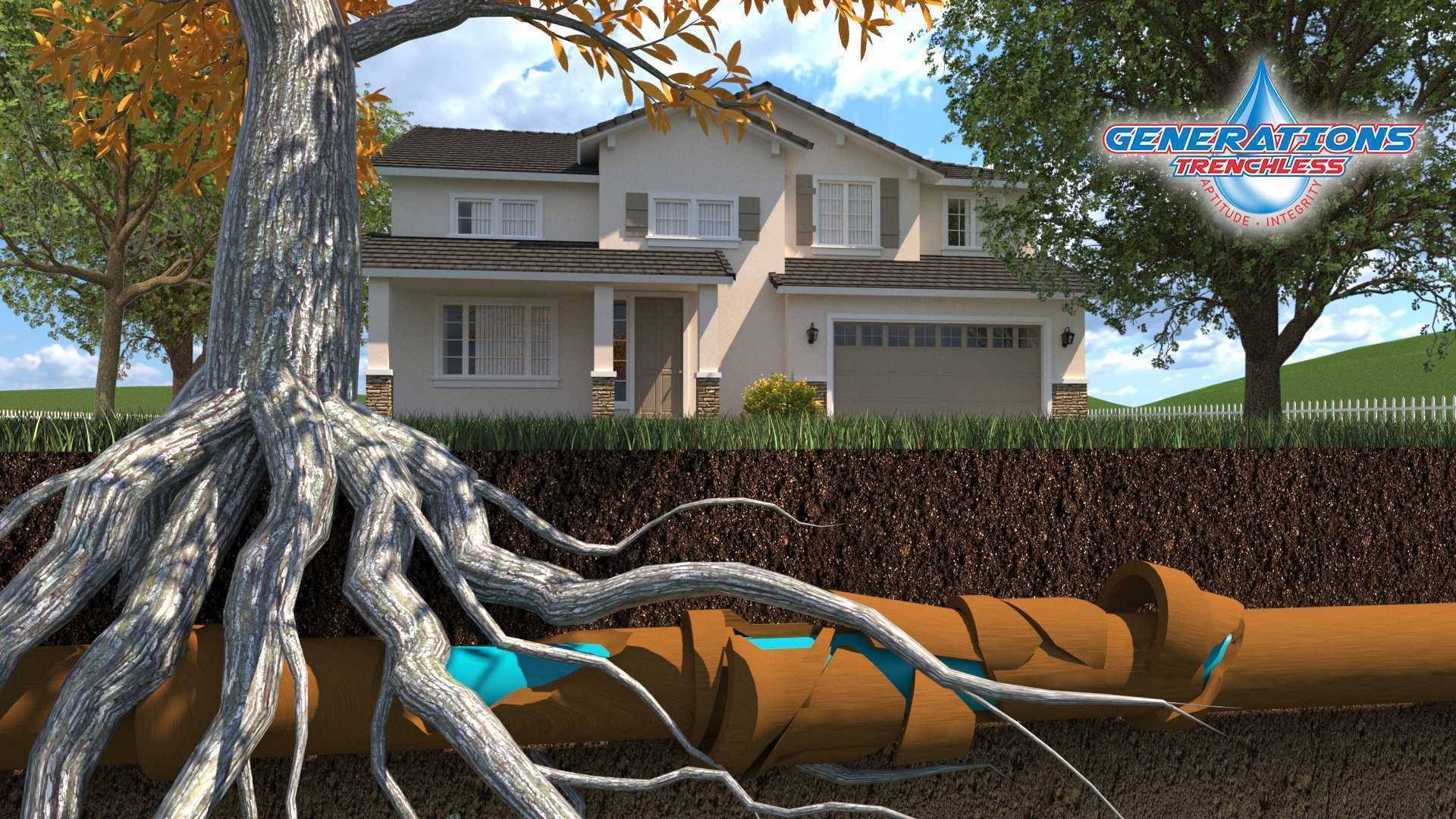
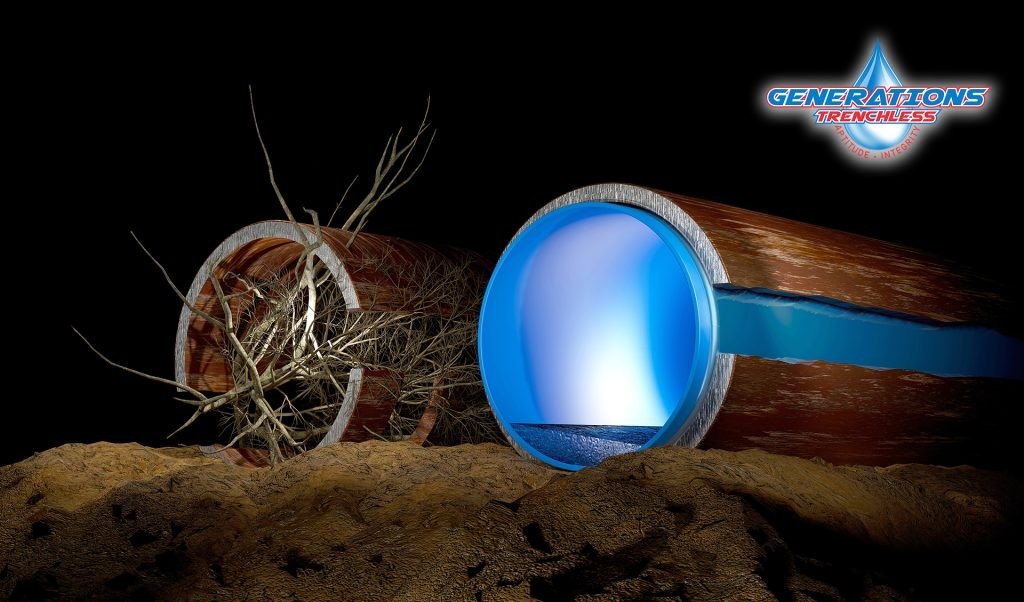
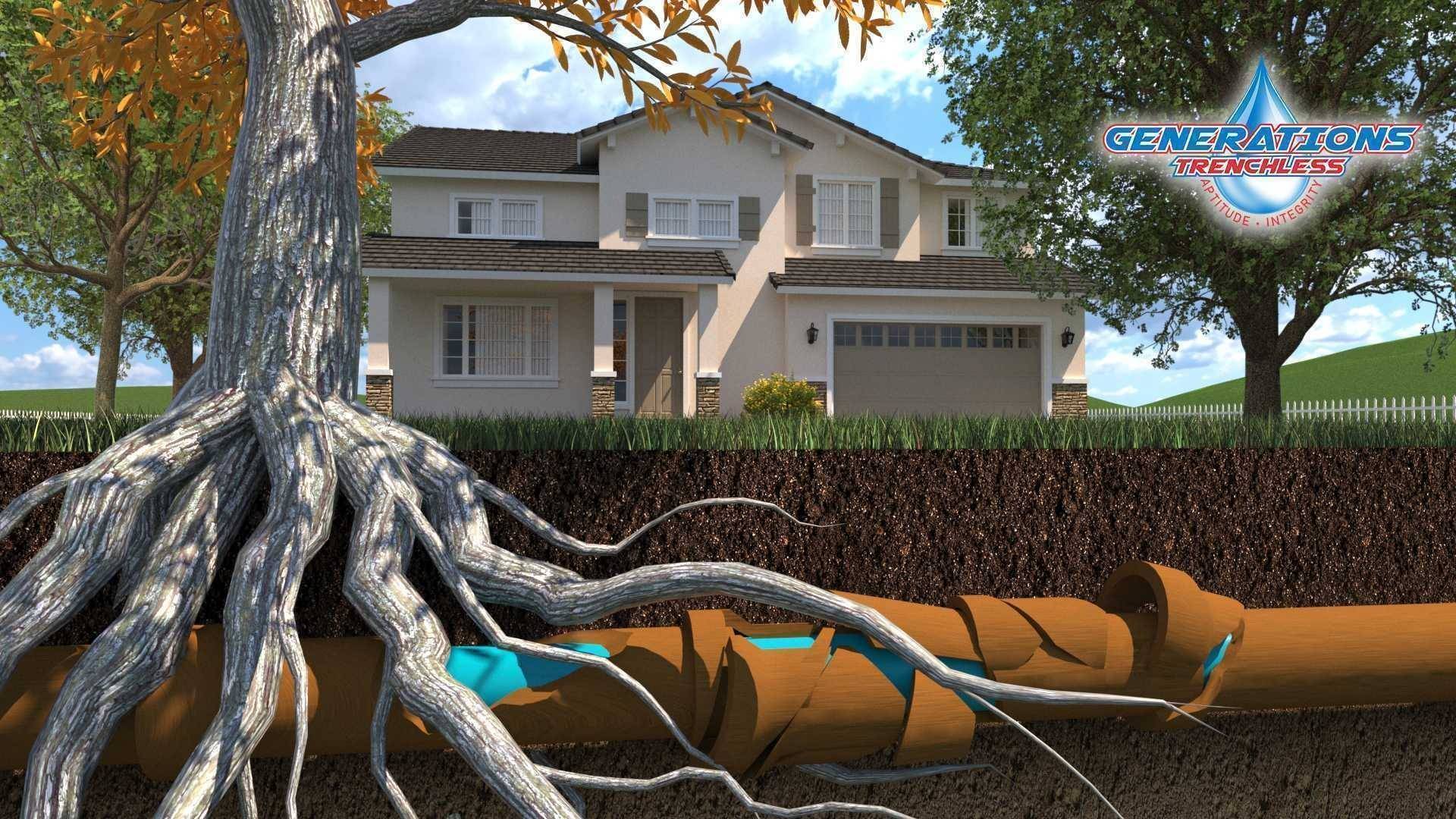
When sewer pipes age, they naturally begin to crack and corrode, allowing tree roots to gain access. Eventually, this will lead to clogs, leaks, and recurring backups. Many older homes also have a private sewer line installed with outdated materials, so it struggles to keep up with modern water and sewer use.
When problems like this become pervasive, digging it all up isn’t your only option anymore. CIPP lining and modern sewer repair methods can help you avoid the headache of a landscaping upheaval in your backyard.
What is CIPP Sewer Lining?
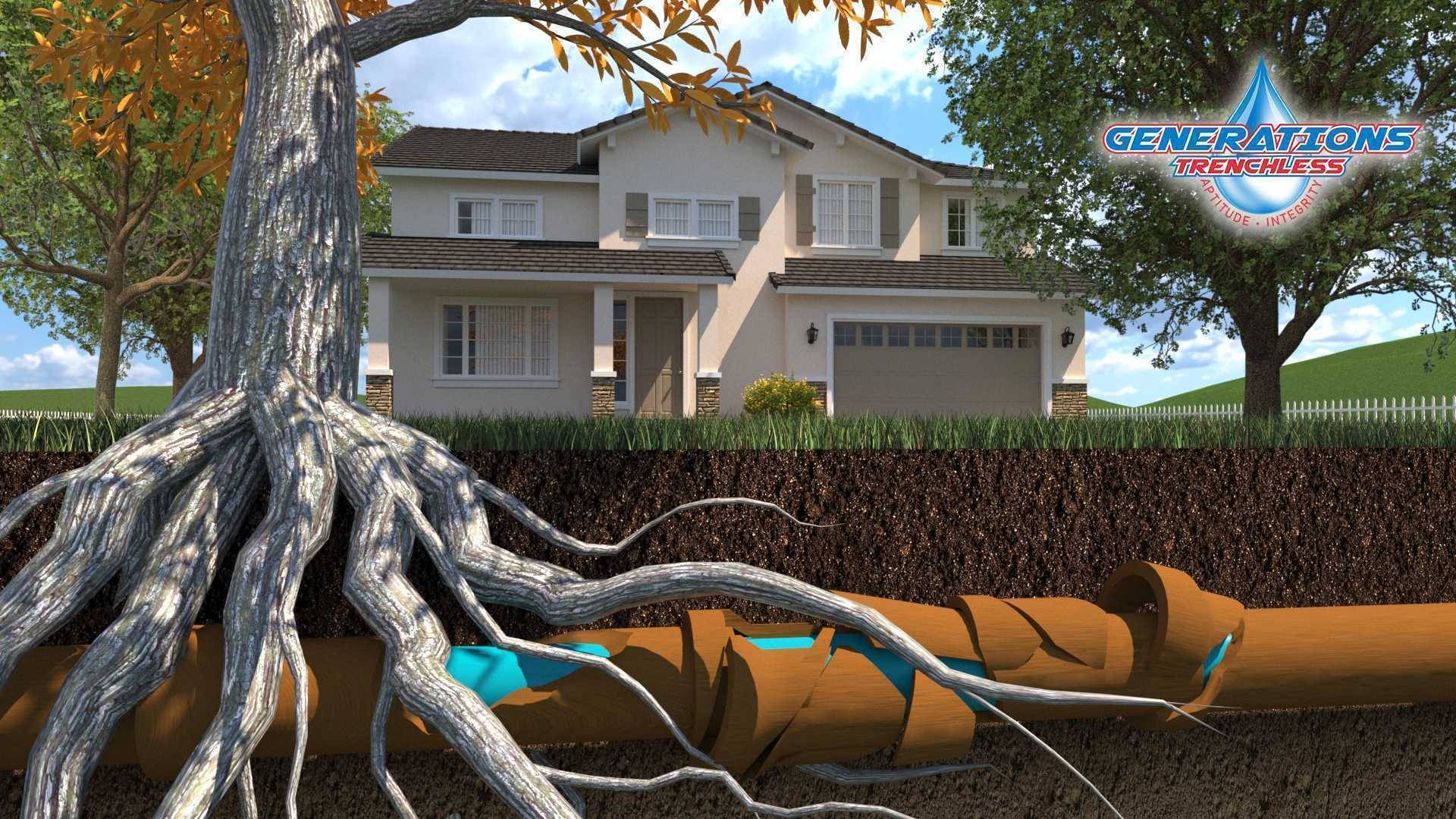
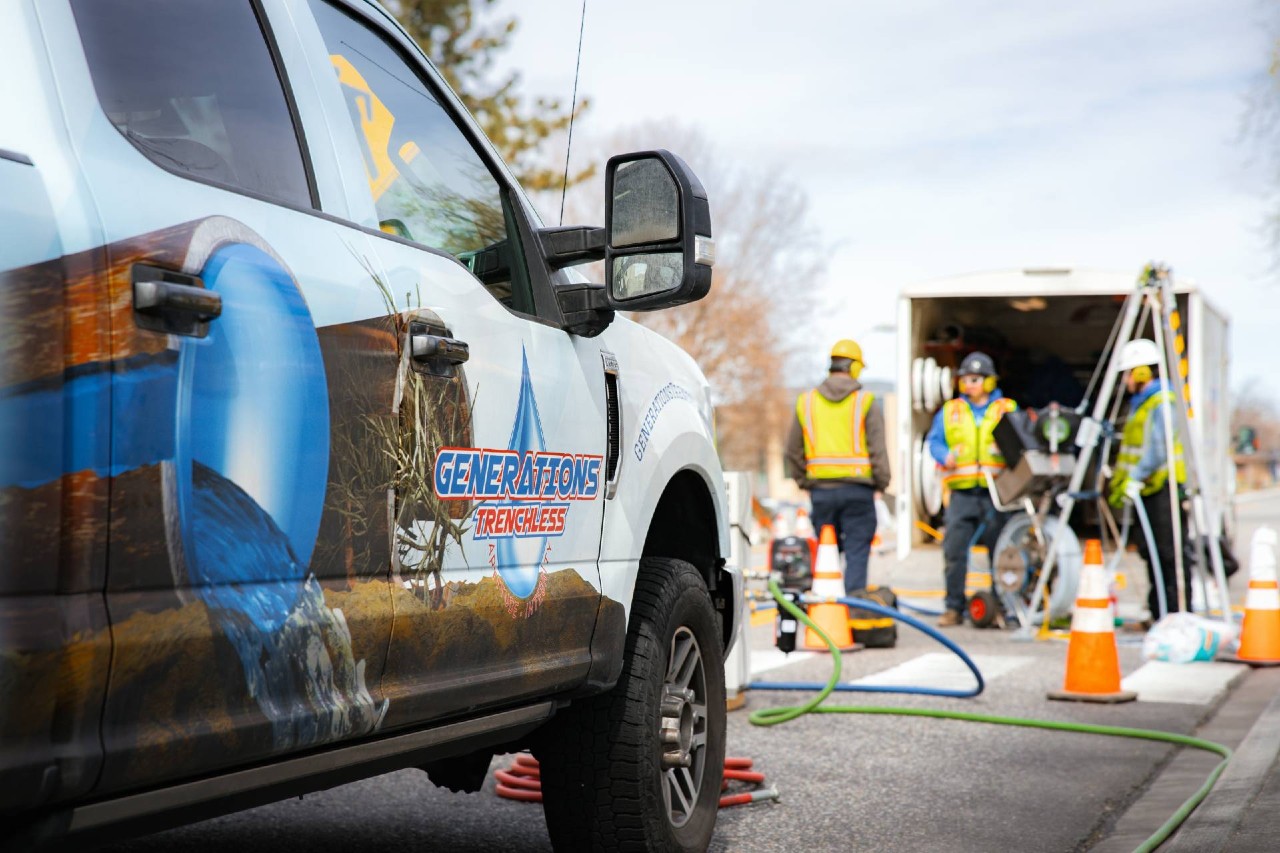
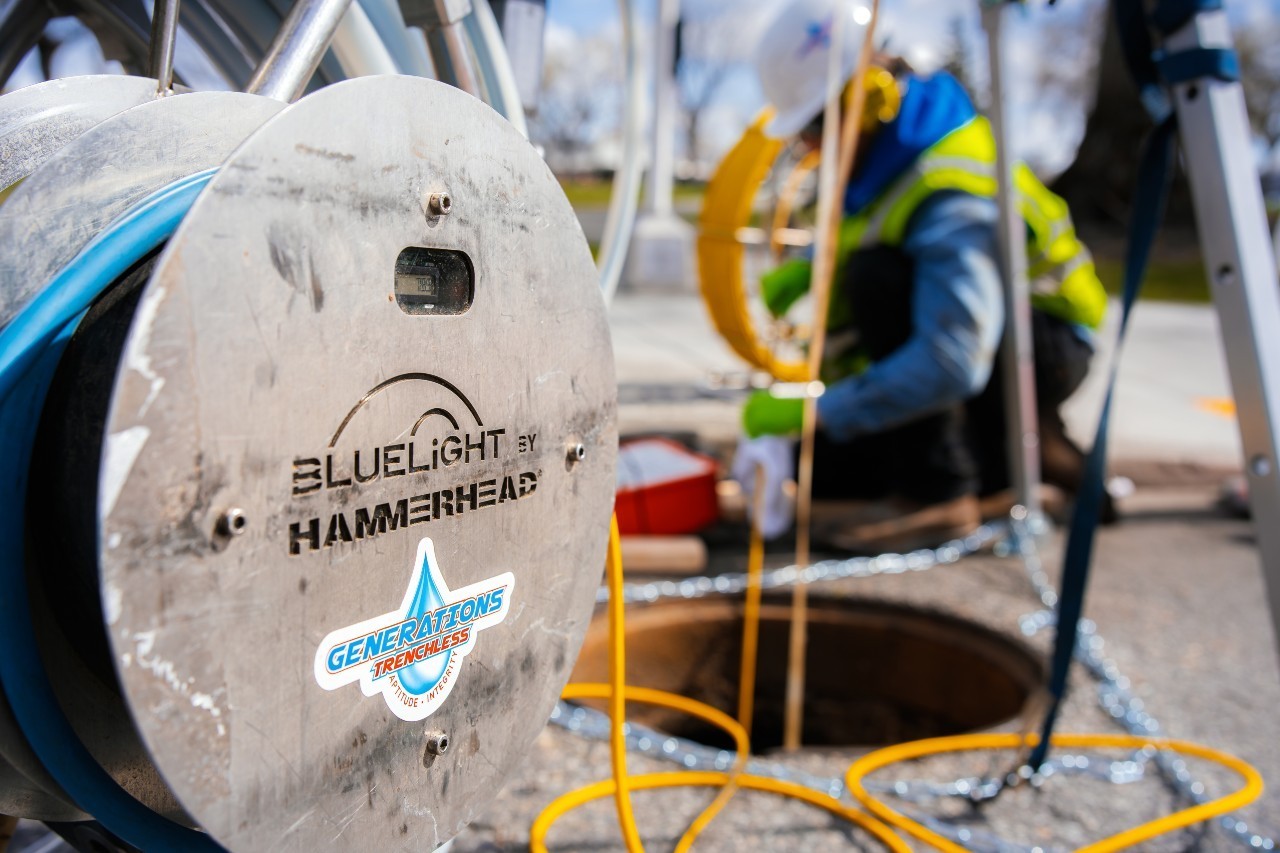
At its core, a cured-in-place pipe (CIPP) lining is a way to create a new pipe inside the existing pipe without any major digging operations. A technician uses an existing access point in the line to insert a liner (a flexible liner that’s soaked in liner resin) into the old sewer.
Once it’s in place, this flexible liner inside the existing pipeline is expanded with air pressure or hot water so it presses tightly against the pipe wall. The resin cools and hardens, leaving behind a smooth, jointless surface inside.
How the CIPP Lining Process Works
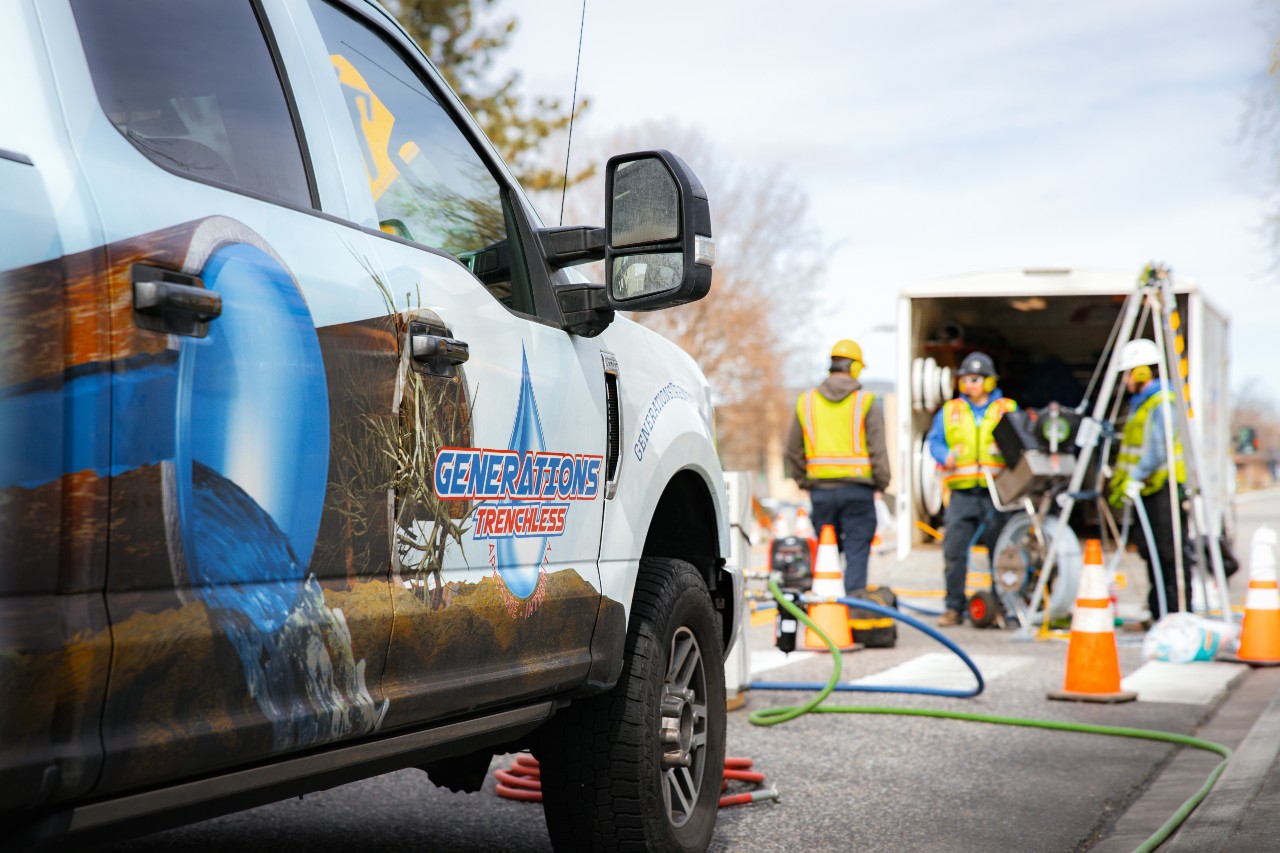
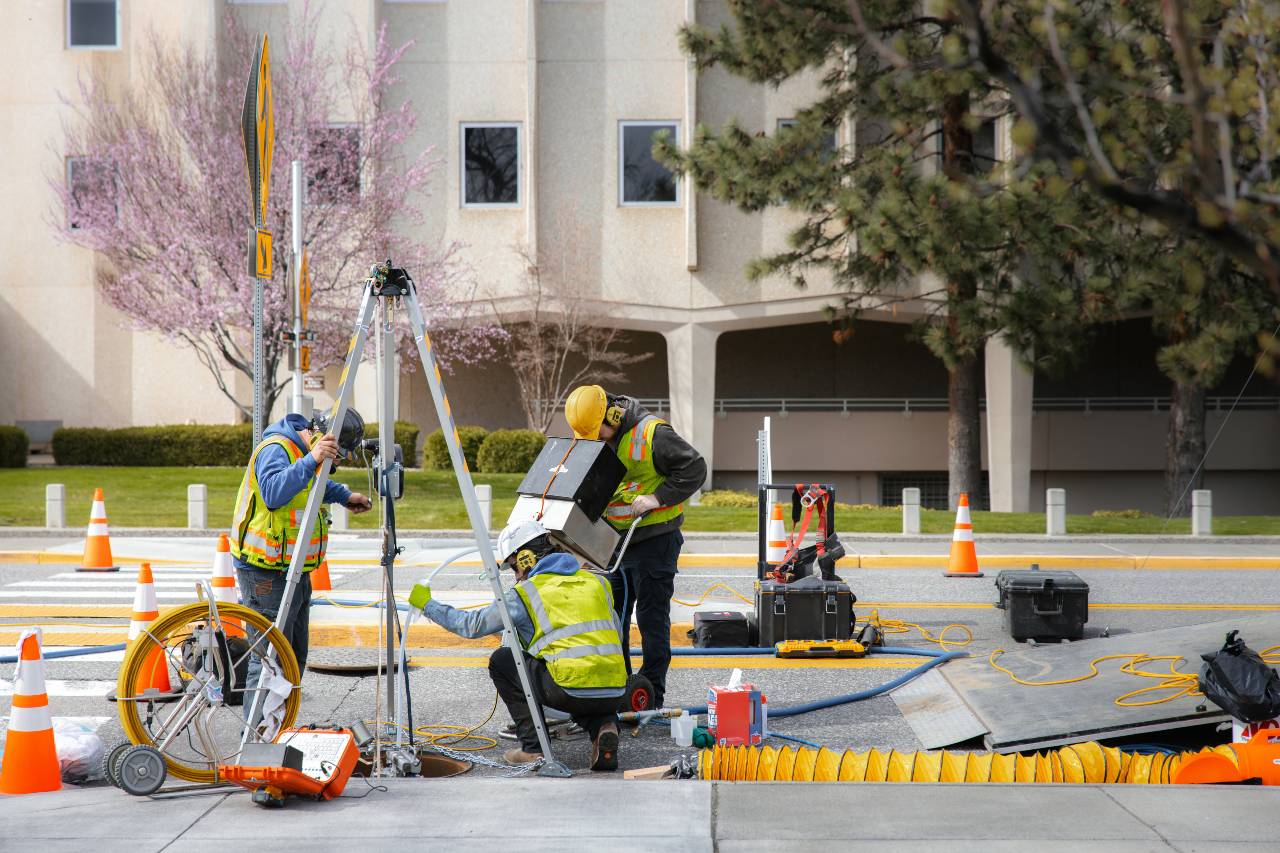
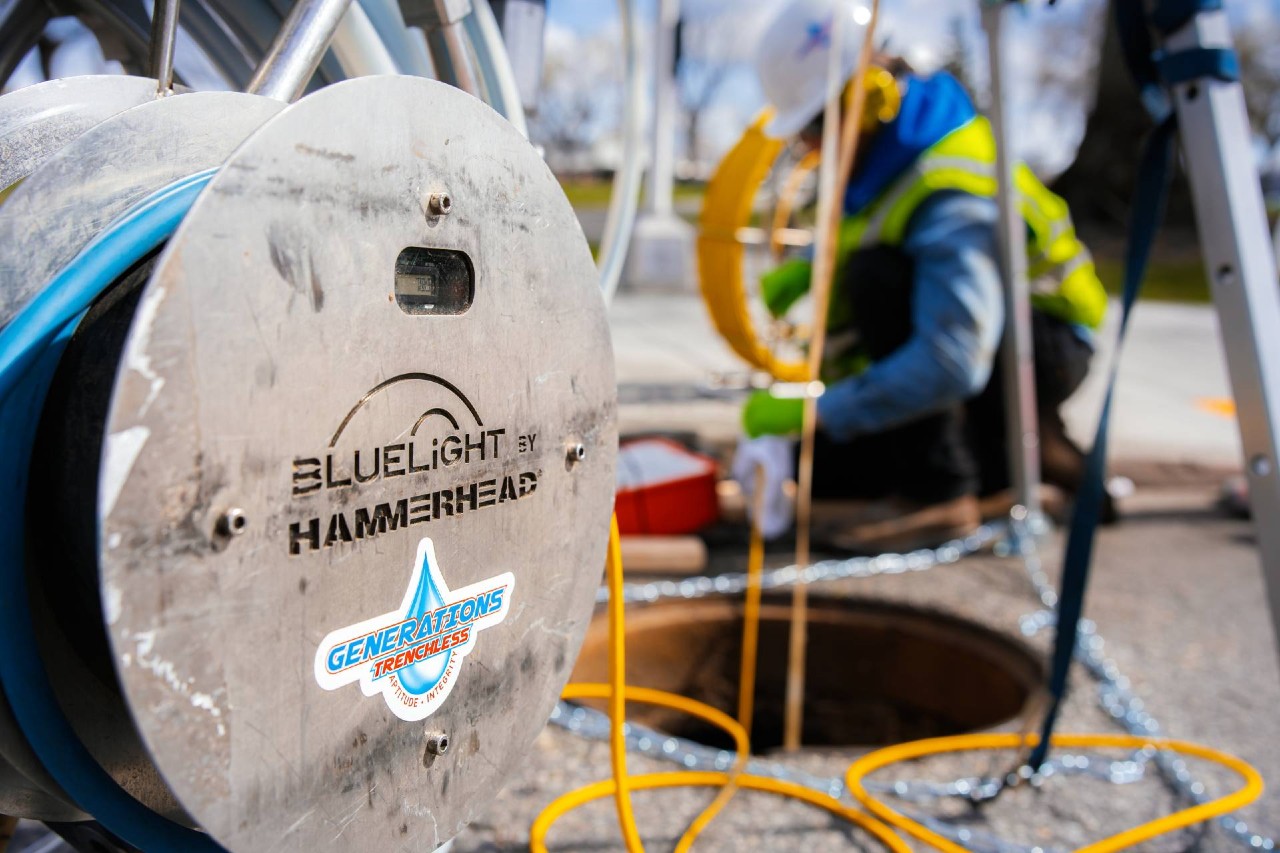
The CIPP lining process starts with a video camera inspection to confirm that repairing sewer pipes with lining makes sense for your particular problem, and to check the pipe diameter and condition. From there, the crew will clean the line and flush debris so the pipe is as clear as possible and the CIPP installation has a solid surface to bond to.
Next, the team will conduct quality control inspections, including another camera run, to make sure the liner essentially forms a tight seal with the host pipe and that all sewer service lateral connections and private property connections are restored properly. The result is a smooth surface inside the line.
Benefits of CIPP Lining
One of the biggest perks that CIPP lining brings to the table is letting crews place pipe lining through one or two small access points instead of open trenches. This drags down those restoration and labor costs to something more manageable in the long-term, especially compared to other sewer repair methods.
Because the liner inside is jointless and corrosion-resistant, it helps keep the pipe free of leaks, root intrusion, and rough spots that catch debris.
For homeowners, that means a rehabilitated sanitary sewer line that can handle everyday wear and tear from washing machines, hot water, and flushing toilets, with no more worries over backups or hidden leaks under the yard or from the basement floor drains.
CIPP Lining vs Traditional Sewer Repair
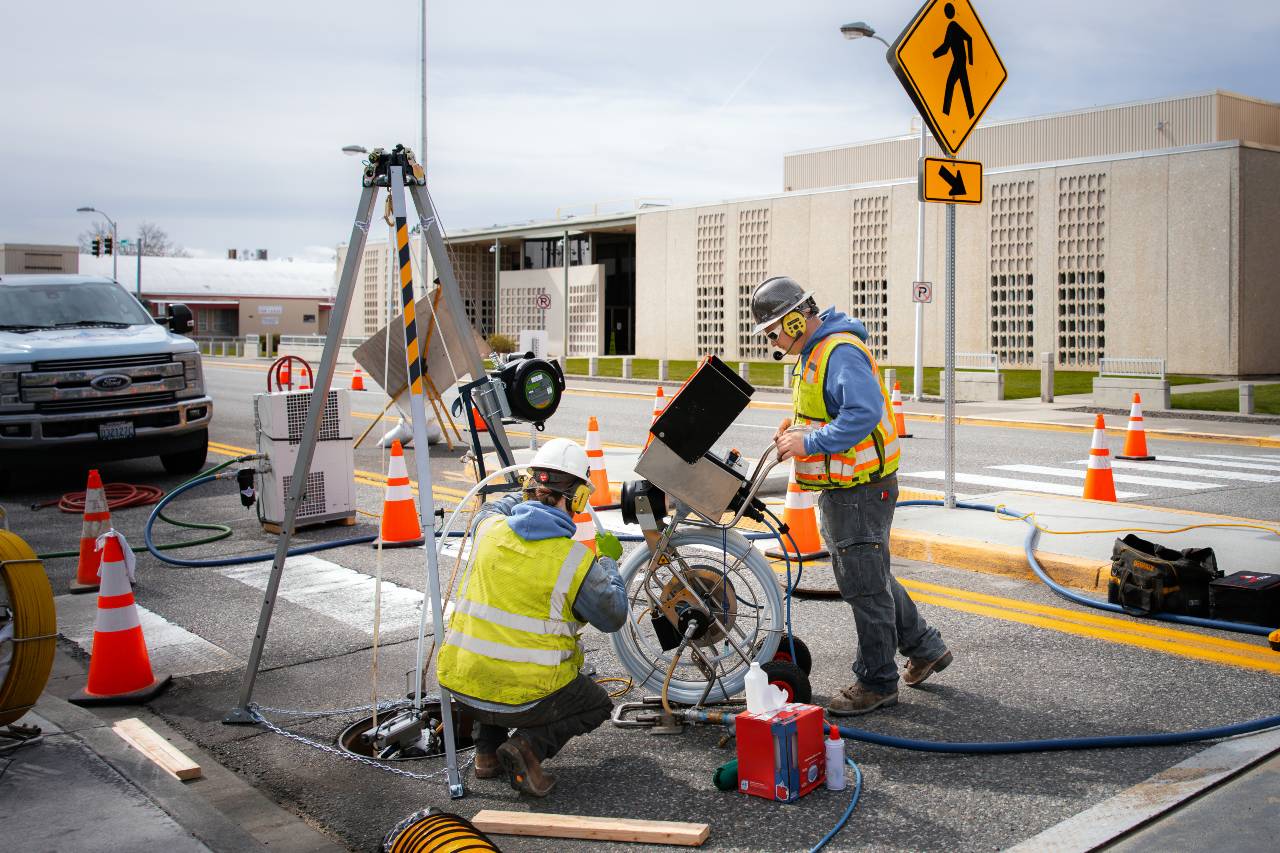
When you compare CIPP lining with digging up and replacing a damaged sewer pipe the old-school way, the differences in disruption are huge. Traditional excavation means trenching through your yard, tearing up the landscaping, and sometimes cutting into patios and driveways. That’s more time, noise, and mess than most homeowners want to deal with.
With the trenchless pipe lining process, crews usually work through small existing access point openings, so there is far less surface damage to reckon with, and fewer days spent cleaning up and putting everything back together.
On top of that, the pipe lining process creates a seamless liner inside the host pipe, helping to prevent future leaks and root intrusion. Traditional replacement still leaves you with joints and connections that can wear down again as time goes by.
When CIPP Sewer Lining is a Good Option
CIPP pipe lining is a great option when you have an old pipe that’s cracked, corroded, or starting to leak, but still has enough remaining structure to support a liner. It’s especially helpful when your private sewer line runs under patios, mature landscaping, or a finished basement, where other sewer repair methods would require breaking through concrete or a major excavation.
Because CIPP involves inserting a flexible liner inside the host pipe, it can be used close to other nearby pipes without disturbing them, as long as a professional confirms clearances and checks to make sure storm sewer or public sewer connections will still work properly.
Limitations of CIPP Lining
As with any solution, CIPP technology does have limitations. If a pipe has fully collapsed or shifted out of alignment, the contractor may recommend a different approach or combining lining with a bypass system or sewer bypass system to reroute wastewater safely during the repair process.
During the pipe lining process, you will usually receive a contractor’s construction notice with instructions to limit flushing toilets, limit water and sewer use, and cover basement floor drains so nothing interferes with the curing. Once the inspections are finished, you can resume normal water and sewer use.
Importance of Professional Assessment
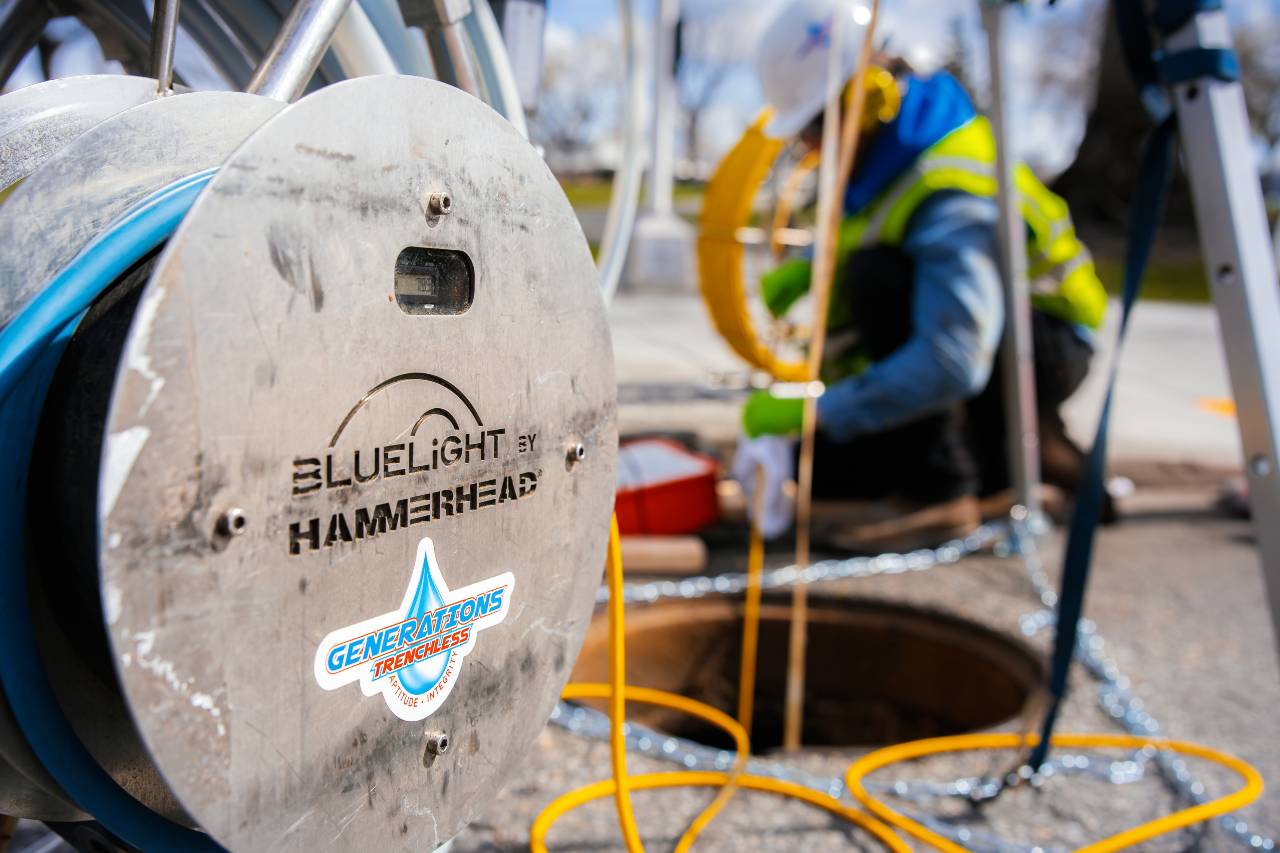
Because projects might involve temporary bypass system setups, potential chemical emissions, and coordination with public sewer connections, it’s important to work with a trained team that can conduct quality control inspections and keep any resin odor or otherwise unpleasant odors within safe, short-term health risk levels.
In larger, municipal projects, an independent industrial hygienist may help monitor the air quality, but residential sewer jobs still benefit from a healthy dose of oversight and clear communication.
A professional evaluation will make sure the right sewer repair methods are used for your piping system and that CIPP lining is truly the best long-term option for your house, instead of a quick patch job.
Contact the Experts for Durable Solutions
If you spot signs of trouble thanks to some aging sewer pipes (slow draining, recurring clogs, or unexplained odors), CIPP sewer lining offers a reliable method for restoring your existing pipe with little or no digging, along with decades of added service life.
Instead of waiting for a full-blown failure, schedule a sewer line camera inspection with Generations Trenchless and Plumbing to find out if CIPP lining is the cost-effective, durable solution your home’s piping system needs.
Book your appointment online today to get started and see if we operate in your area.