The toilet gurgles when you run the kitchen sink. Two drains are slow at the same time. There is a smell coming from the basement you cannot quite place. You grab something from under the sink, pour it down the drain, and wait.
It helps for a day. Then the gurgling is back.
When multiple fixtures are acting up at once, the problem is usually not in the individual drains. It is in the main line. And that is a different situation entirely, one where the tool matters as much as the diagnosis.
In this post, you’ll learn:
- What the main sewer line is and why a problem there affects your whole house
- The two professional tools used for main line drain cleaning and when each applies
- Why a camera inspection comes before any cleaning
- How to tell when cleaning is enough and when the pipe needs something more
What the Main Line Is and Why It Matters
Every drain in your house, the kitchen sink, the showers, the toilets, feeds into one pipe that carries everything out to the municipal sewer or your septic system. That pipe is the main sewer line.
A clog or buildup in that single pipe affects every fixture above it. That is why slow drains in multiple rooms at once, or a toilet that gurgles when the washing machine drains, point to the main line rather than an individual fixture.
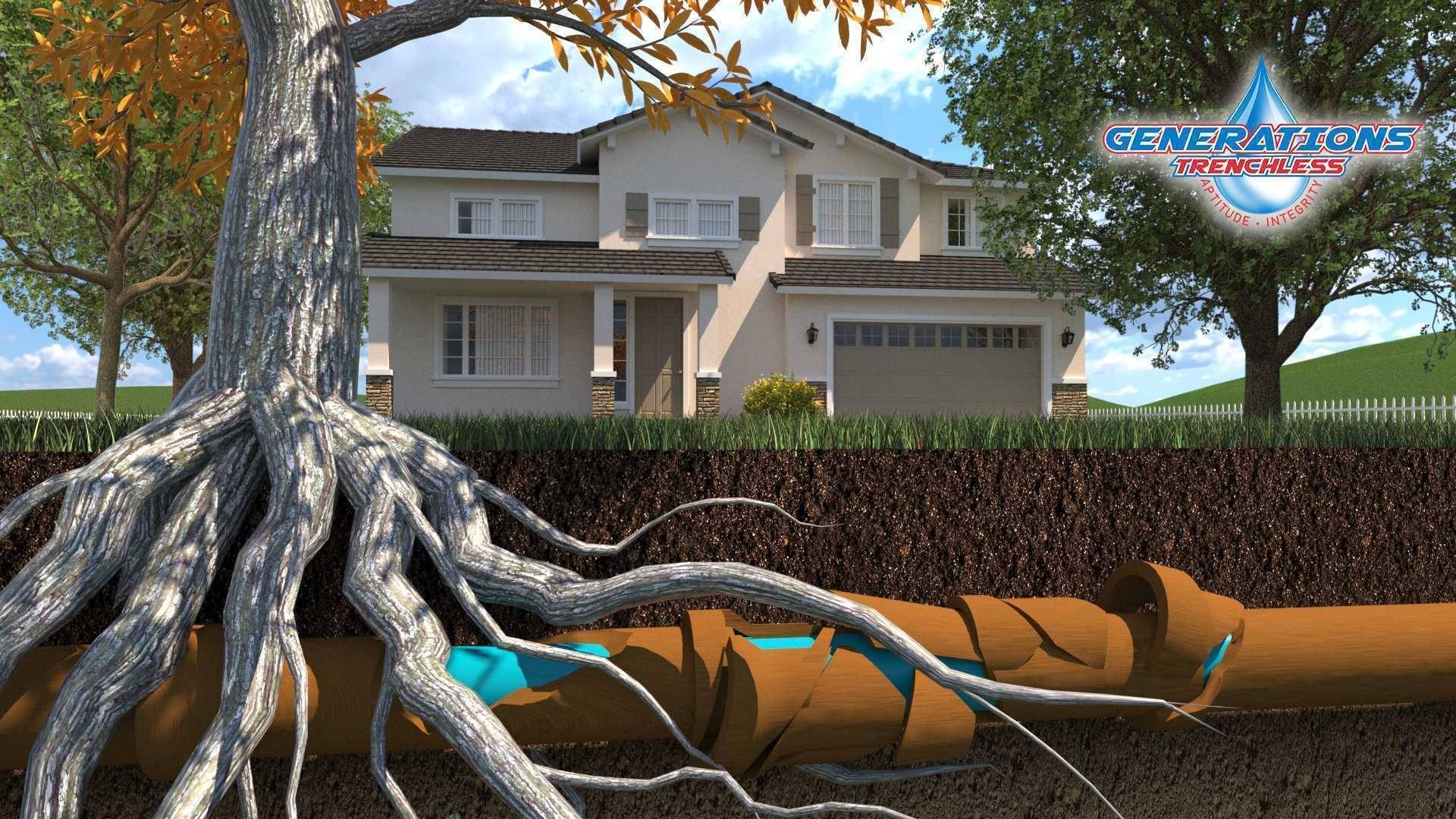
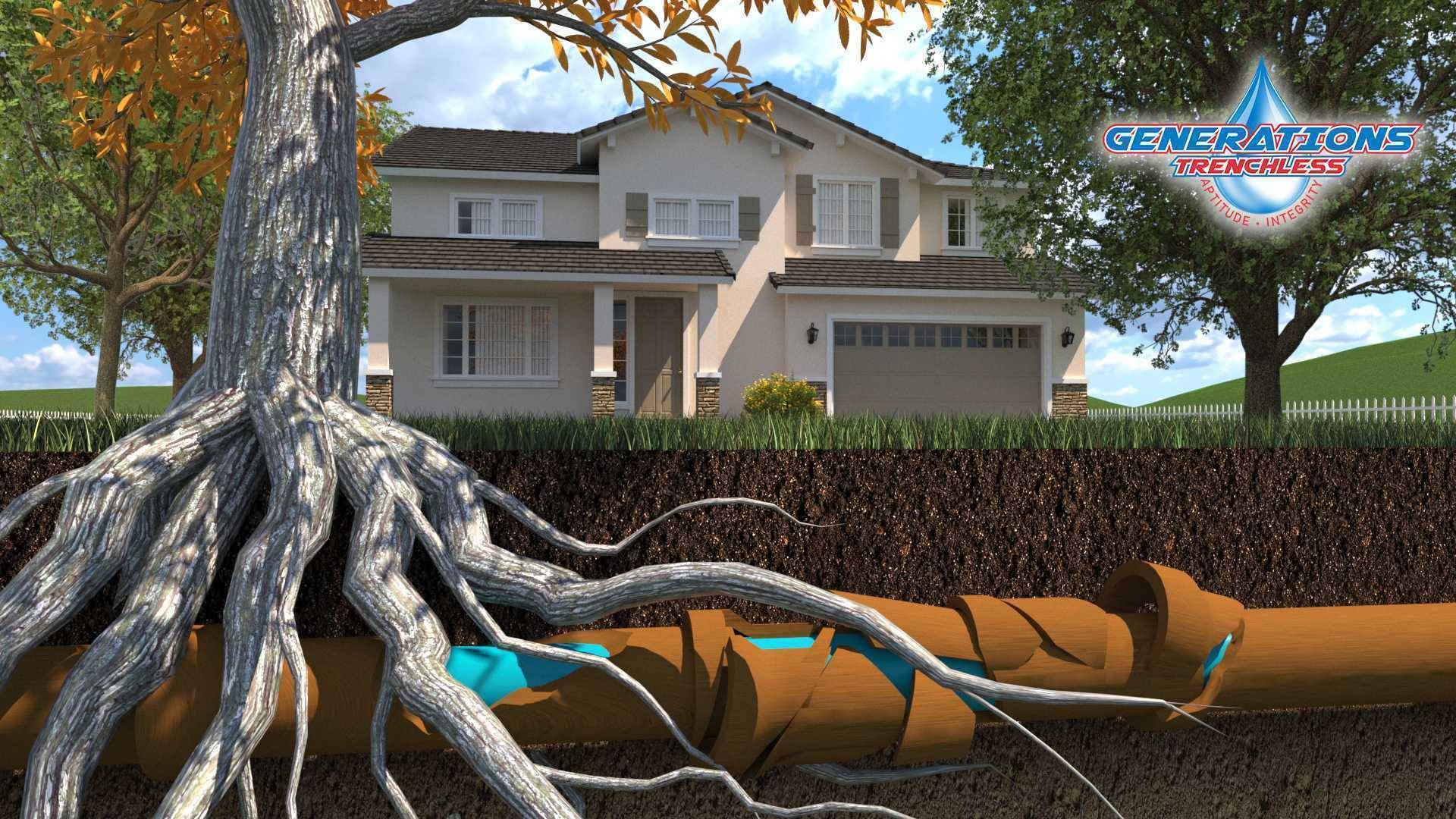
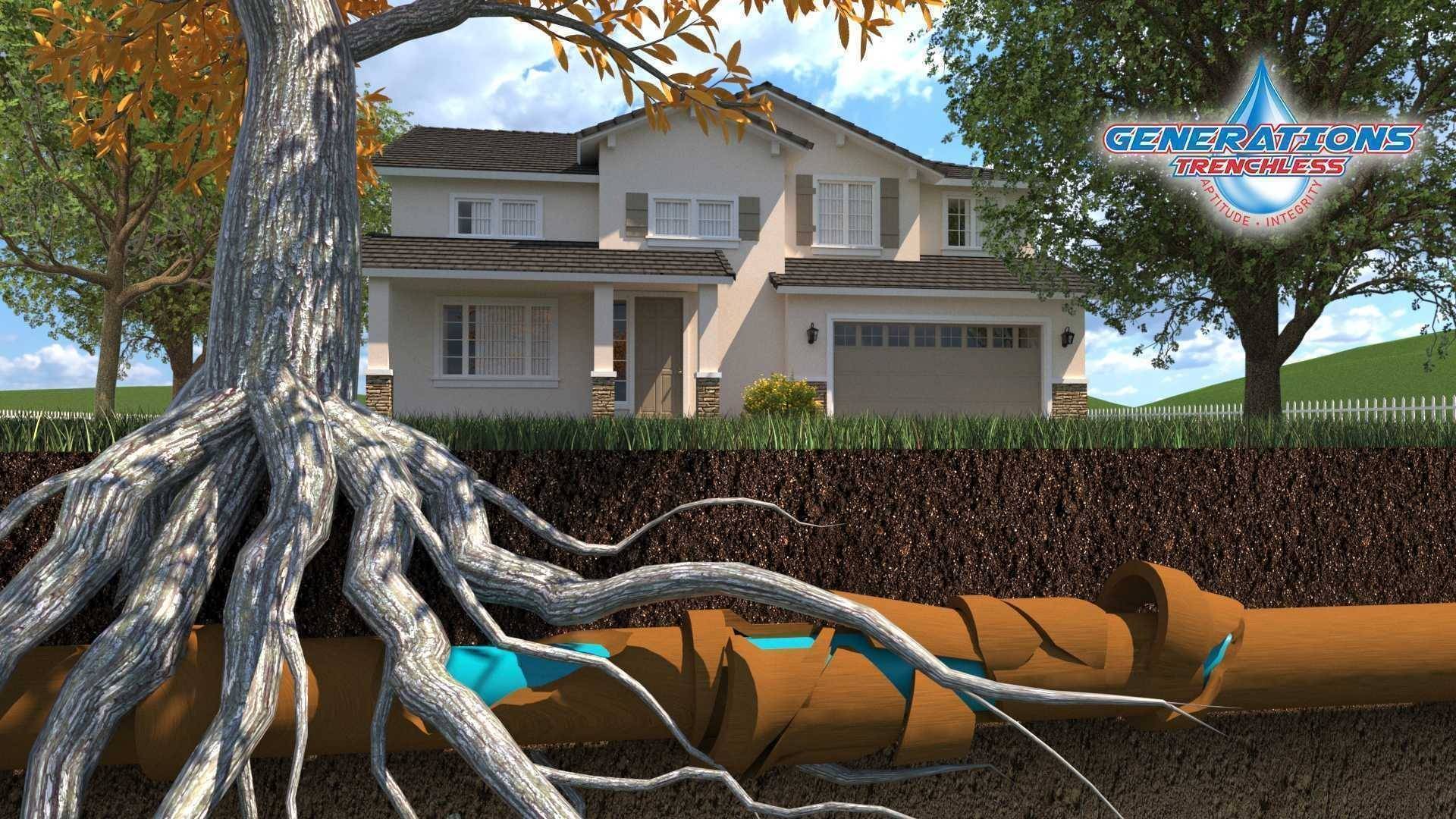
Older homes in Richland, Pasco, and Kennewick often have clay or cast-iron main lines that have been in the ground for decades. Those materials do the job, but they accumulate grease, scale, and tree root intrusion over time. The soil in the Tri-Cities shifts with temperature and moisture, and that movement can work on older pipe joints year after year.
The Two Professional Tools for Main Line Drain Cleaning
A hardware store drain cleaner works on the surface of a clog in a single fixture. Professional main line drain cleaning uses equipment built for the full pipe, and there are two primary methods.
Mechanical snaking, also called drain augering, sends a rotating steel cable through the line to break through or retrieve a blockage. It is effective for soft clogs and isolated obstructions. It clears the path. It does not clean the pipe walls, so grease and scale that coat the interior stay behind.
Hydro jetting forces high-pressure water through the line to scour the interior walls from the inside out. It removes grease, scale, mineral buildup, and debris that a snake leaves behind. For recurring clogs or significant buildup, it is the more thorough option.
The right tool depends on what is actually in the pipe. That is why the camera goes in first.
Why Camera Inspection Comes Before Any Cleaning

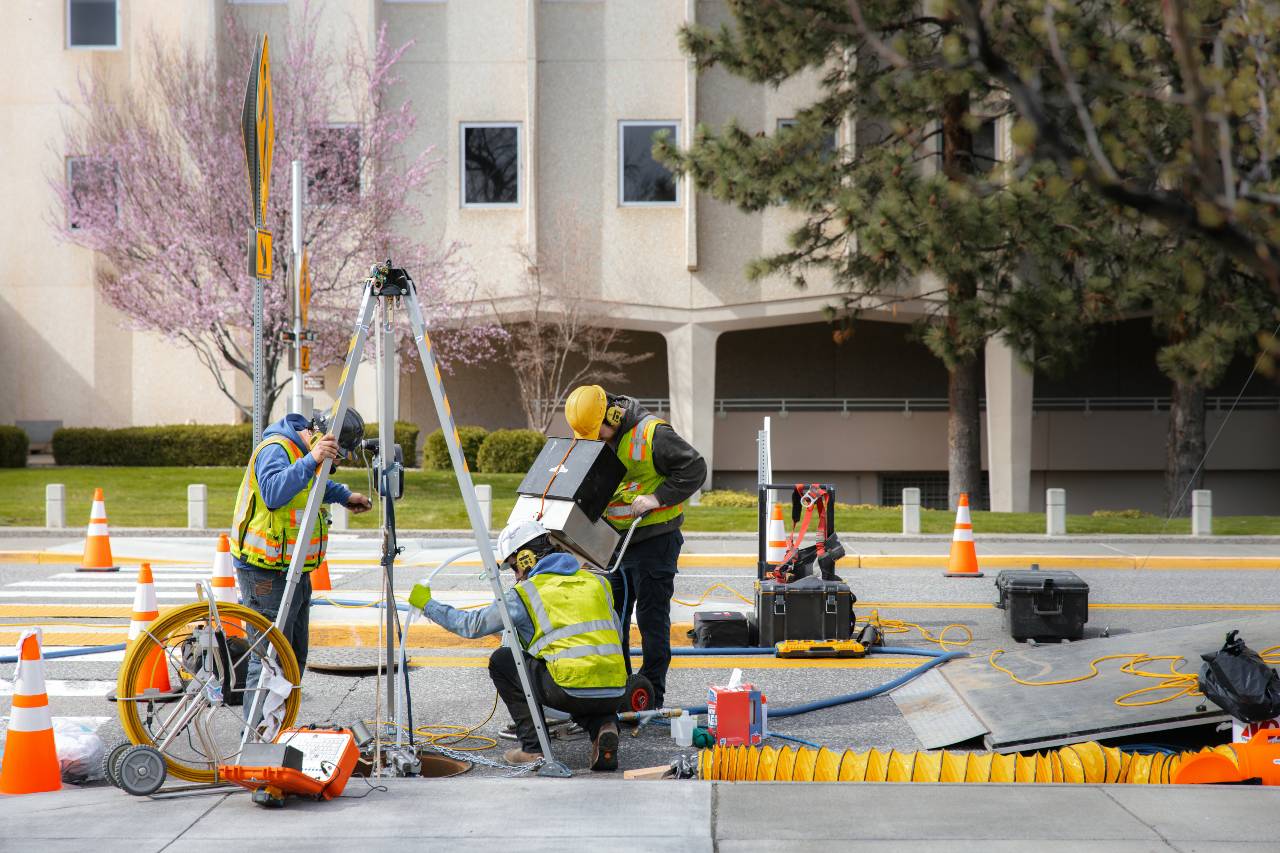
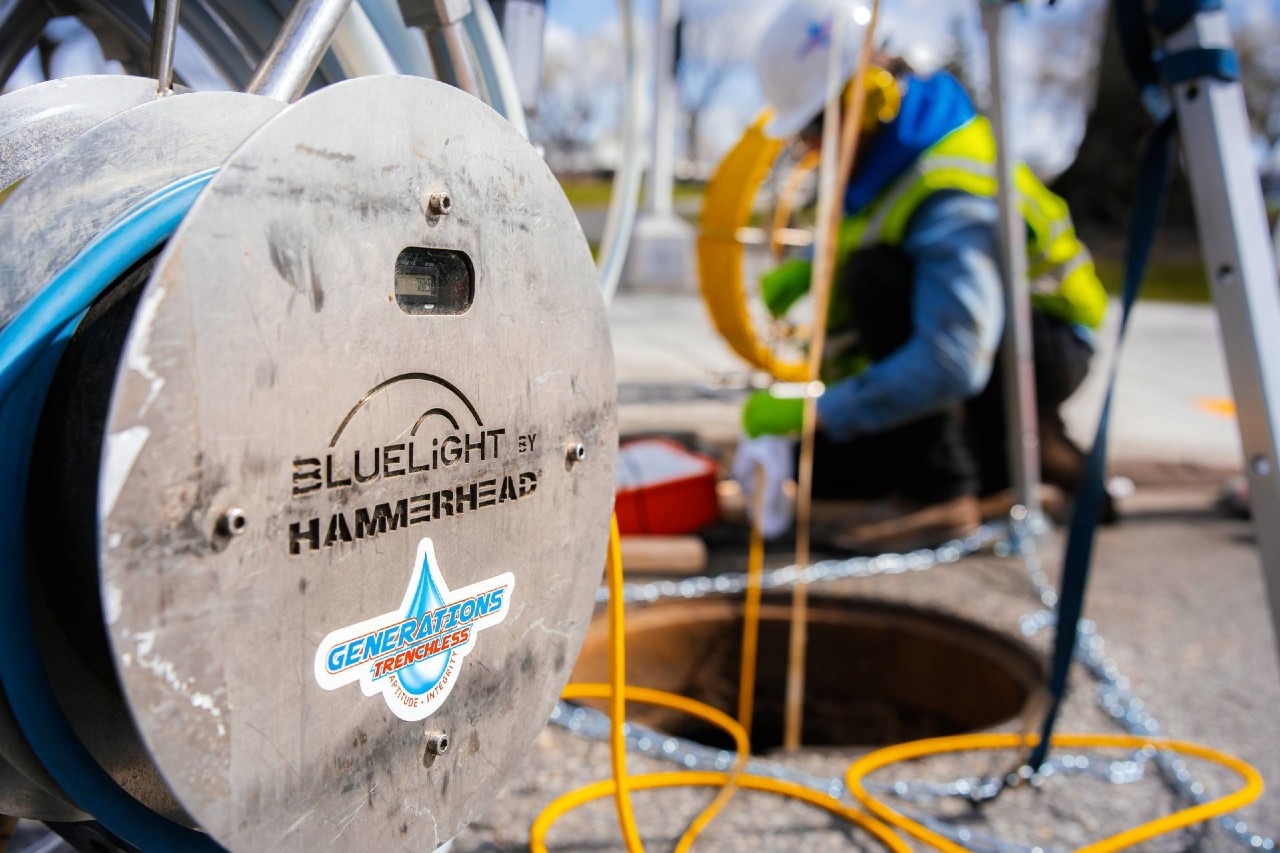
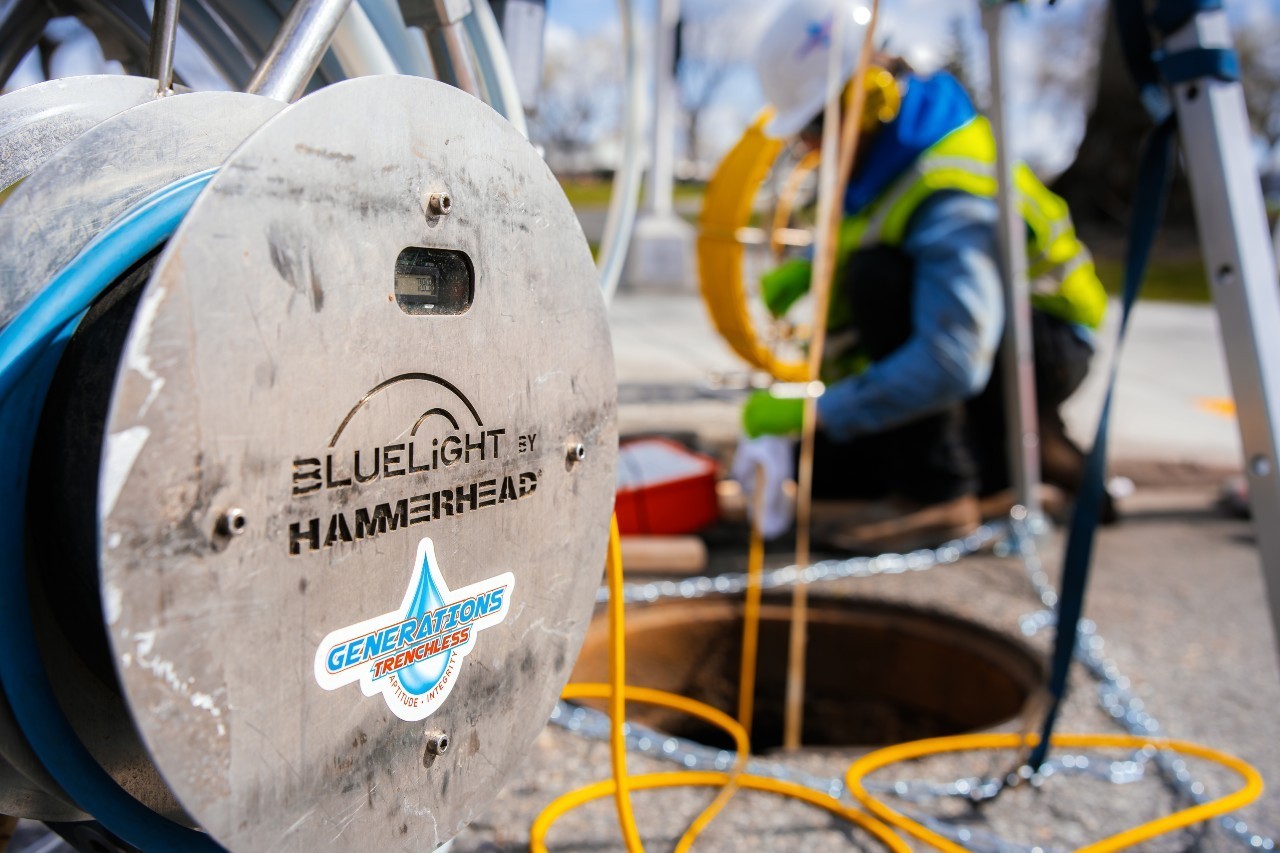
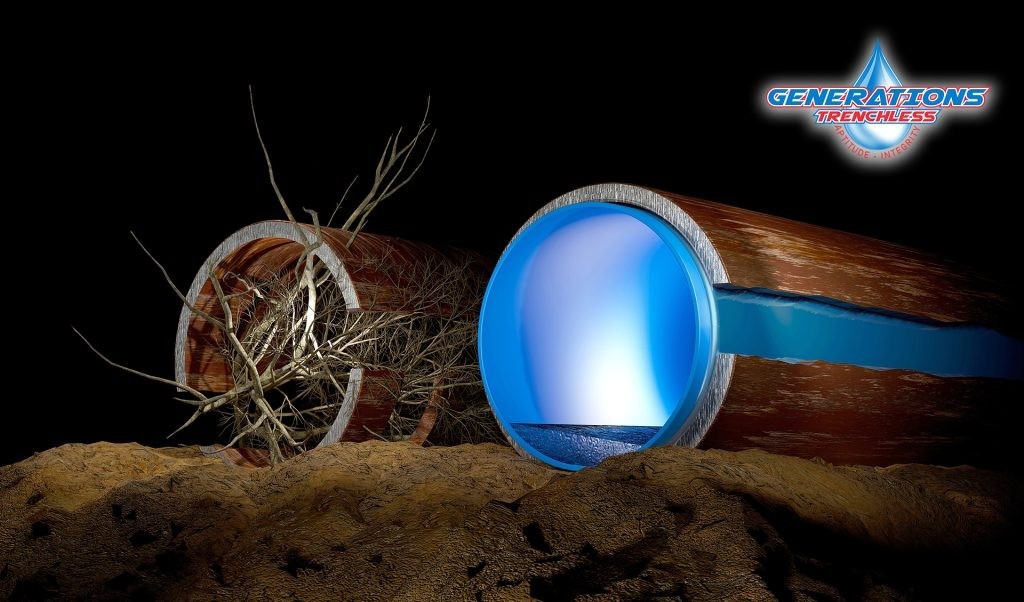
A sewer camera inspection shows exactly what is causing the problem: grease coating the walls, roots that have worked through a joint, scale buildup, or something structural like a crack or a belly in the line.
That last category matters. Forcing high-pressure water through a pipe that is already cracked or compromised can make things worse. A camera inspection confirms the pipe can handle the method safely before anything goes in.
This is how a journeyman approaches the job. Thomas has spent more than 15 years in the trade, and the camera is not an upsell. It is how the right call gets made.
When Cleaning Is Enough and When It Is Not
Sewer drain cleaning handles grease and soap buildup, minor root intrusion, debris accumulation, and slow drains with no structural cause. For most of those situations, a professional cleaning resolves the problem.
The signal that cleaning is not enough: the clog comes back within a few weeks of a professional service. Recurring clogs on a short cycle usually mean the pipe has a structural issue, a crack, a belly, a collapsed section, that cleaning cannot fix. At that point, the pipe needs repair, not another cleaning.
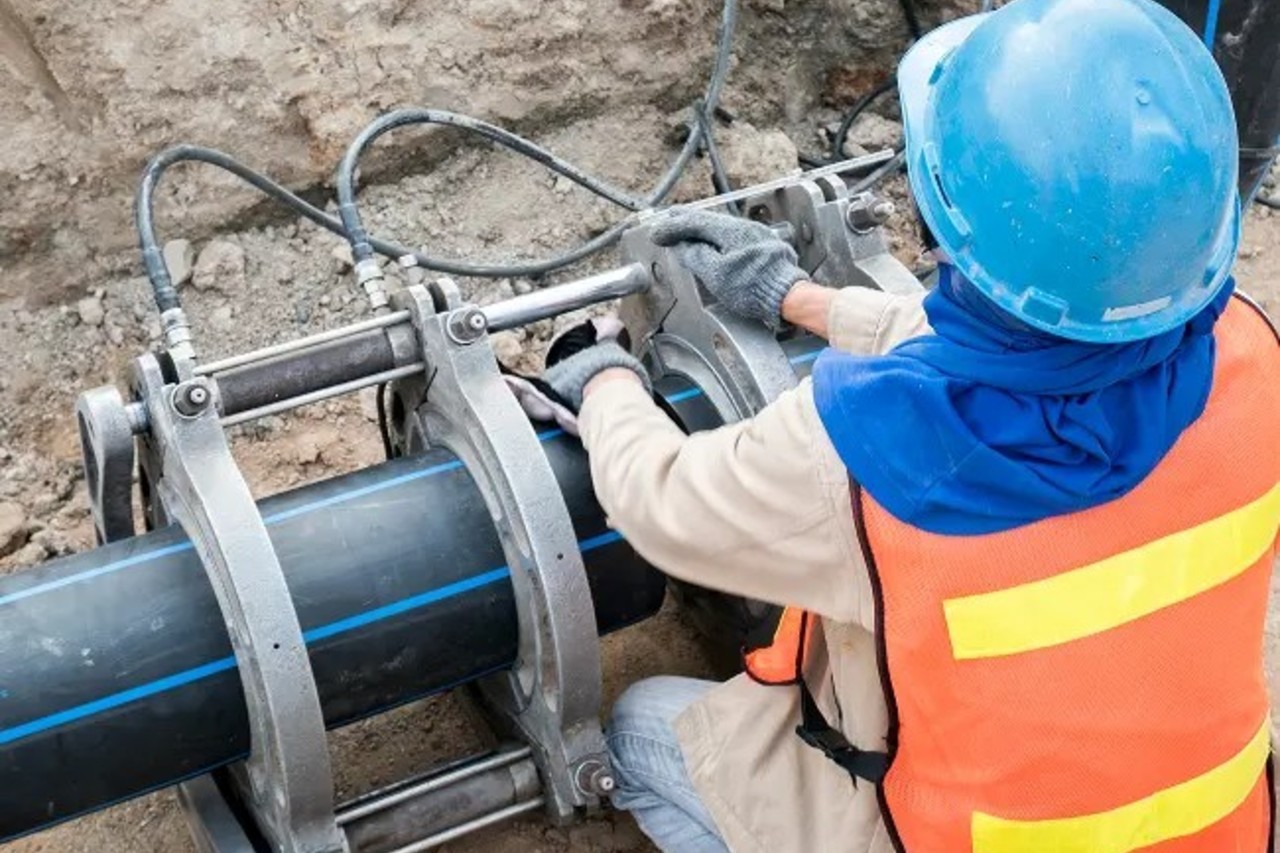
Trenchless repair, including cipp sewer lining or pipe bursting, addresses structural failures that cleaning cannot reach. A camera inspection is what tells you which situation you are actually in.
What to Expect from a Professional Main Line Cleaning
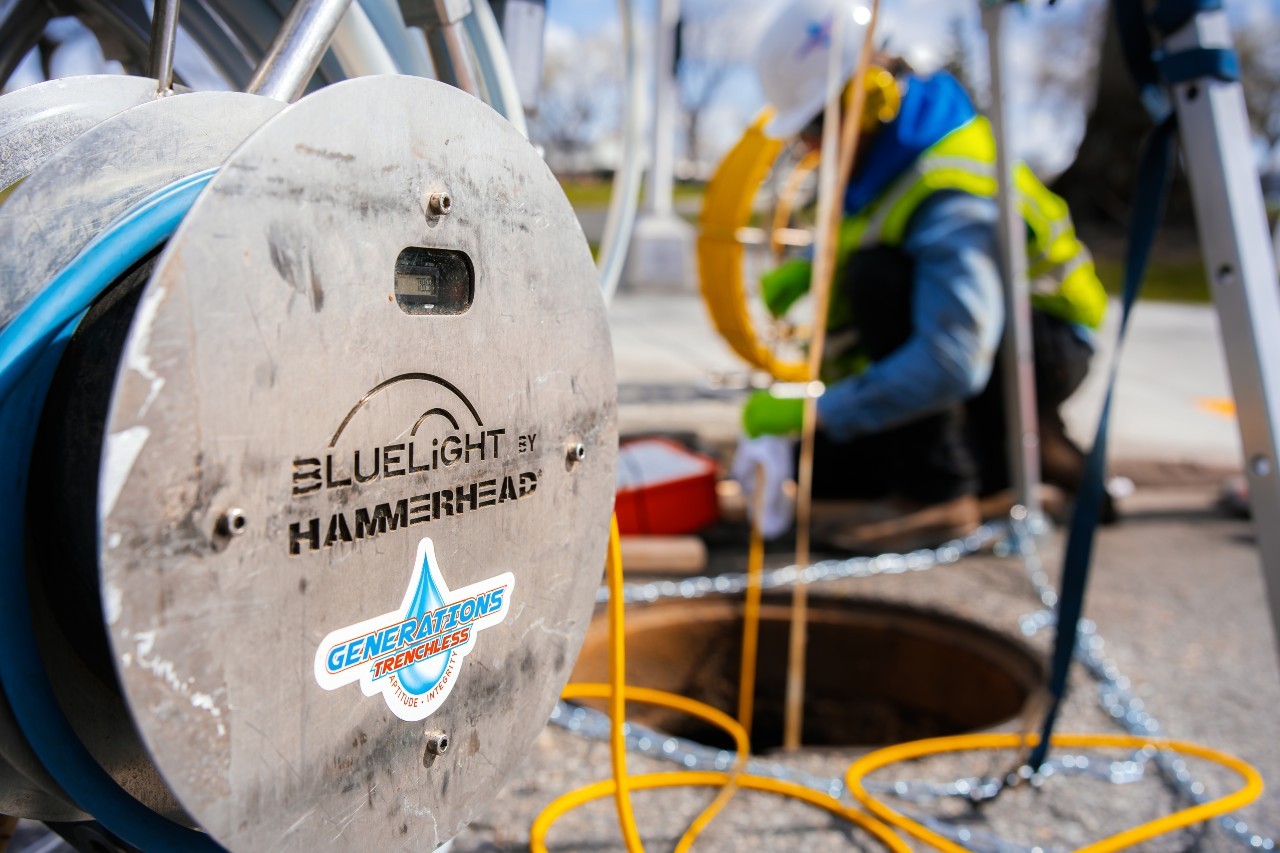
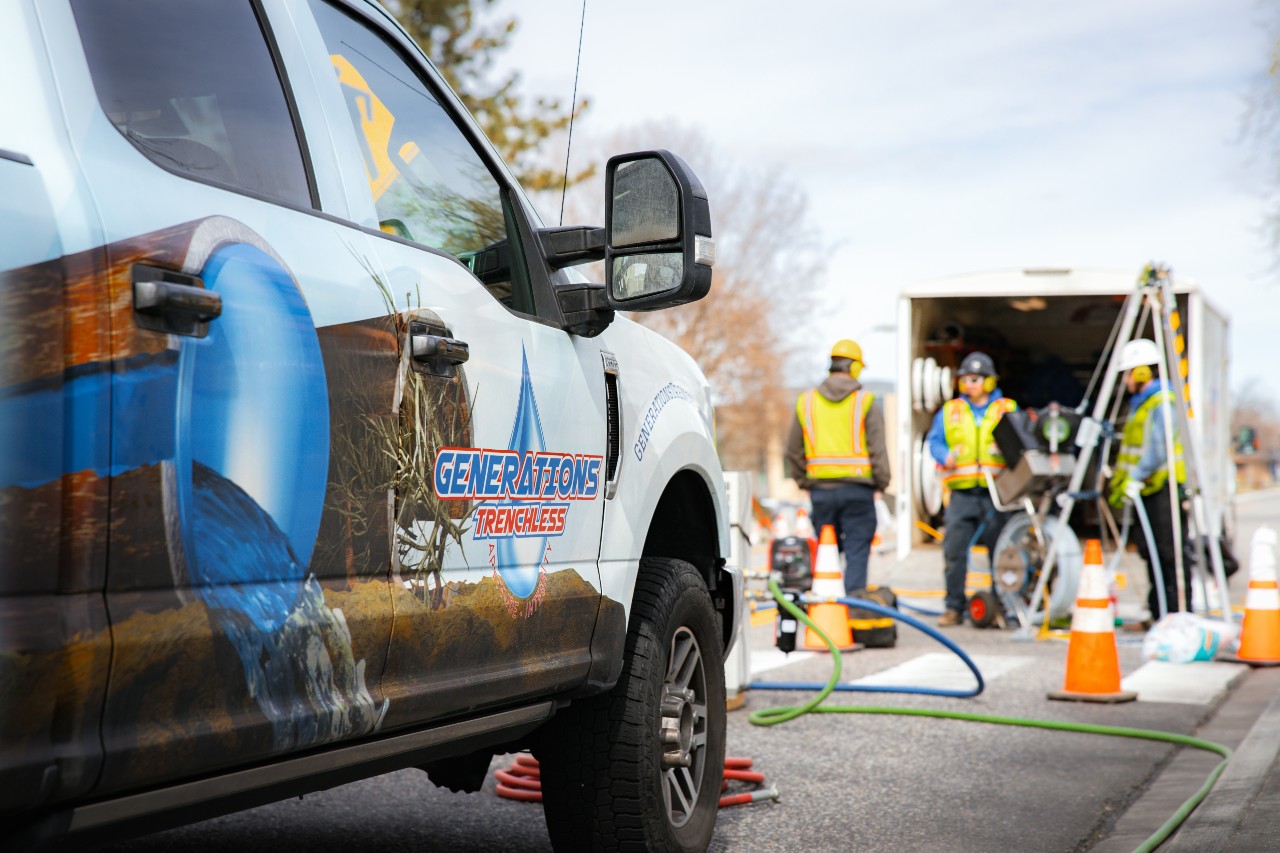
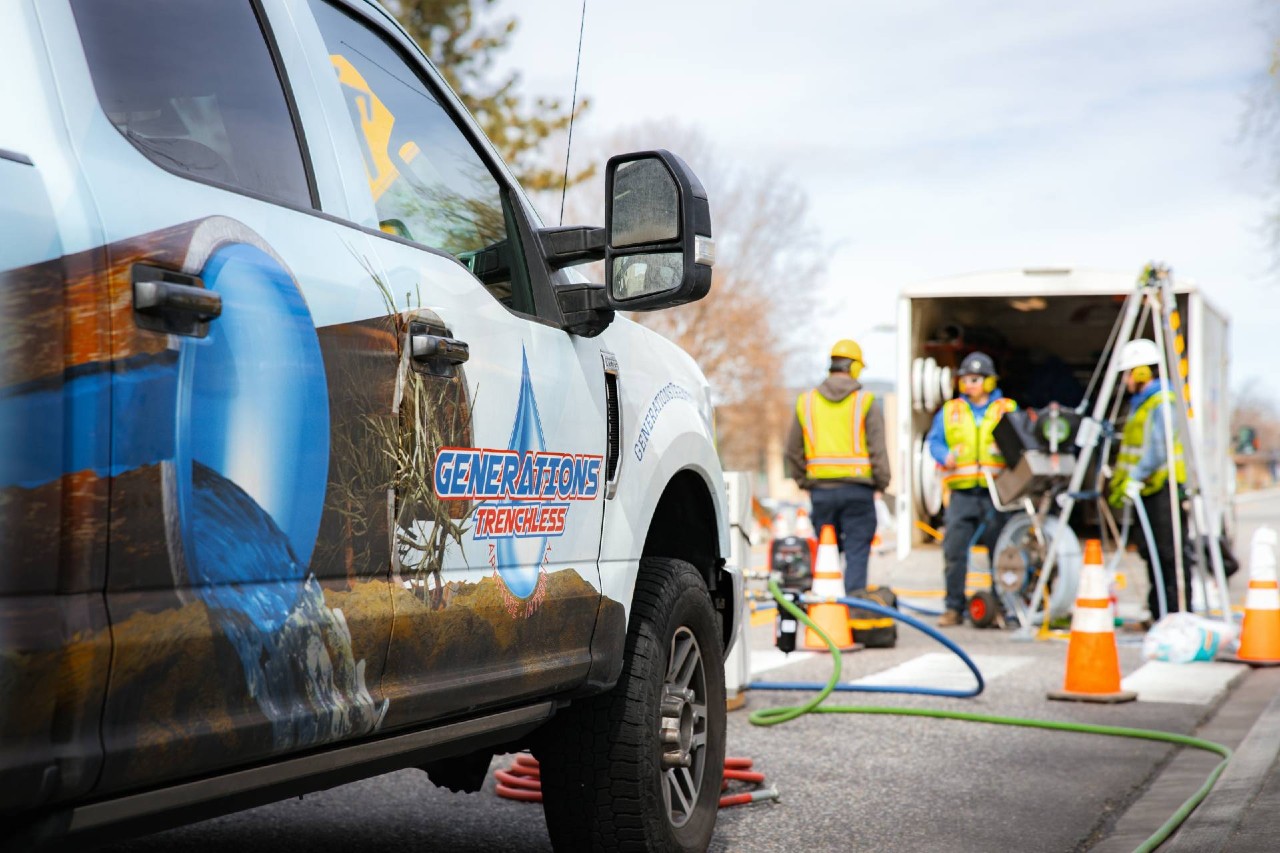
The process is straightforward. A camera goes through the line first to diagnose what is there. Based on what the camera shows, the right cleaning method gets selected. The cleaning is performed, and a second camera pass confirms the line is clear. Most cleanings complete in a few hours. No excavation is required for the cleaning itself.
At Generations, you get the full price before any work begins. Estimates are free in the Tri-Cities.
Ready to Know What Is Actually in Your Line?
Another bottle of store-bought cleaner is not going to tell you whether your main line has a grease problem or a structural one. A camera will.
Call Generations Trenchless and Plumbing for a free estimate in the Tri-Cities. A camera inspection will show exactly what is in your main line and give you the full price before any work begins. Reach us at (509) 416-6755.