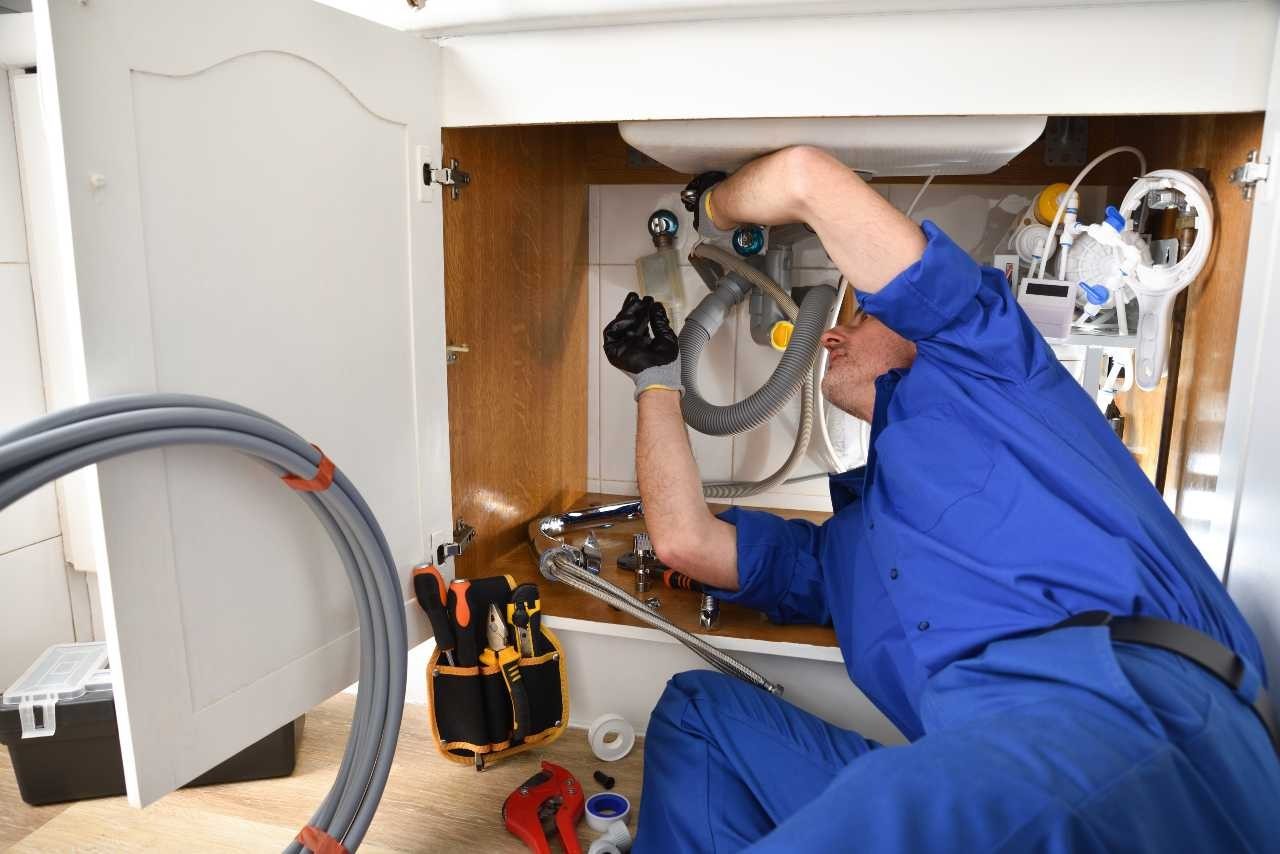
A plumber looks up from his camera screen and says, “Your pipe needs to be lined.” You nod. You have no idea what that means.
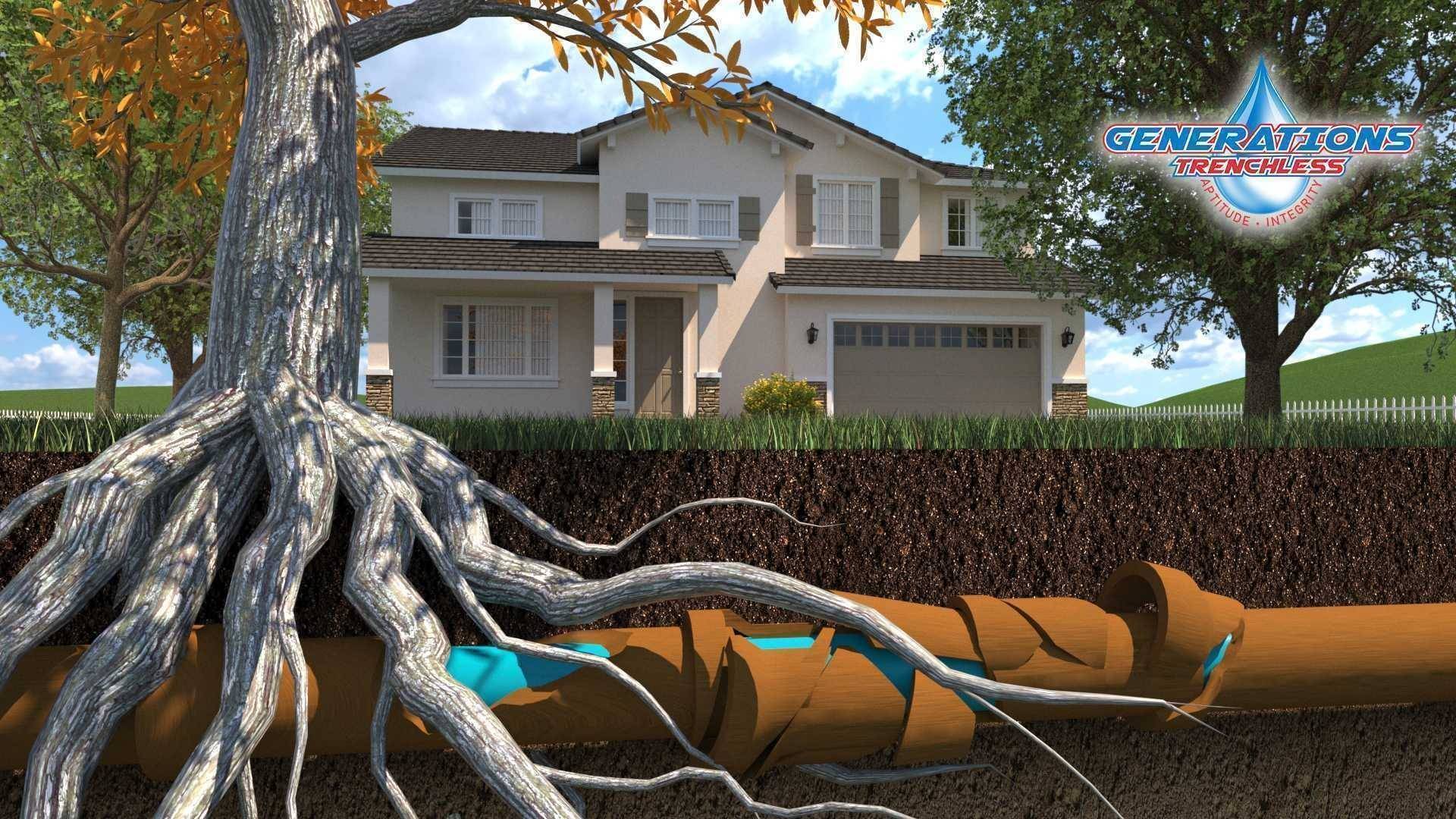
What you do know is what you are afraid of: a trench cutting through the yard you spent years on, a crew here for a week, and a bill that grows every time someone finds something new. Those fears are real. They are also exactly what cured-in-place pipe lining was designed to prevent.
Here is what CIPP actually is, how the process works, and how to know whether your home is a candidate.
In this post, you’ll learn:
- What cured-in-place pipe lining is, in plain terms
- How the repair process works from start to finish
- When CIPP is the right call and when it is not
- What the repair actually costs and what to expect from a Generations estimate
What Cured-in-Place Pipe Lining Actually Is
The short version: a new pipe is cured inside your old one, and no trench is required.
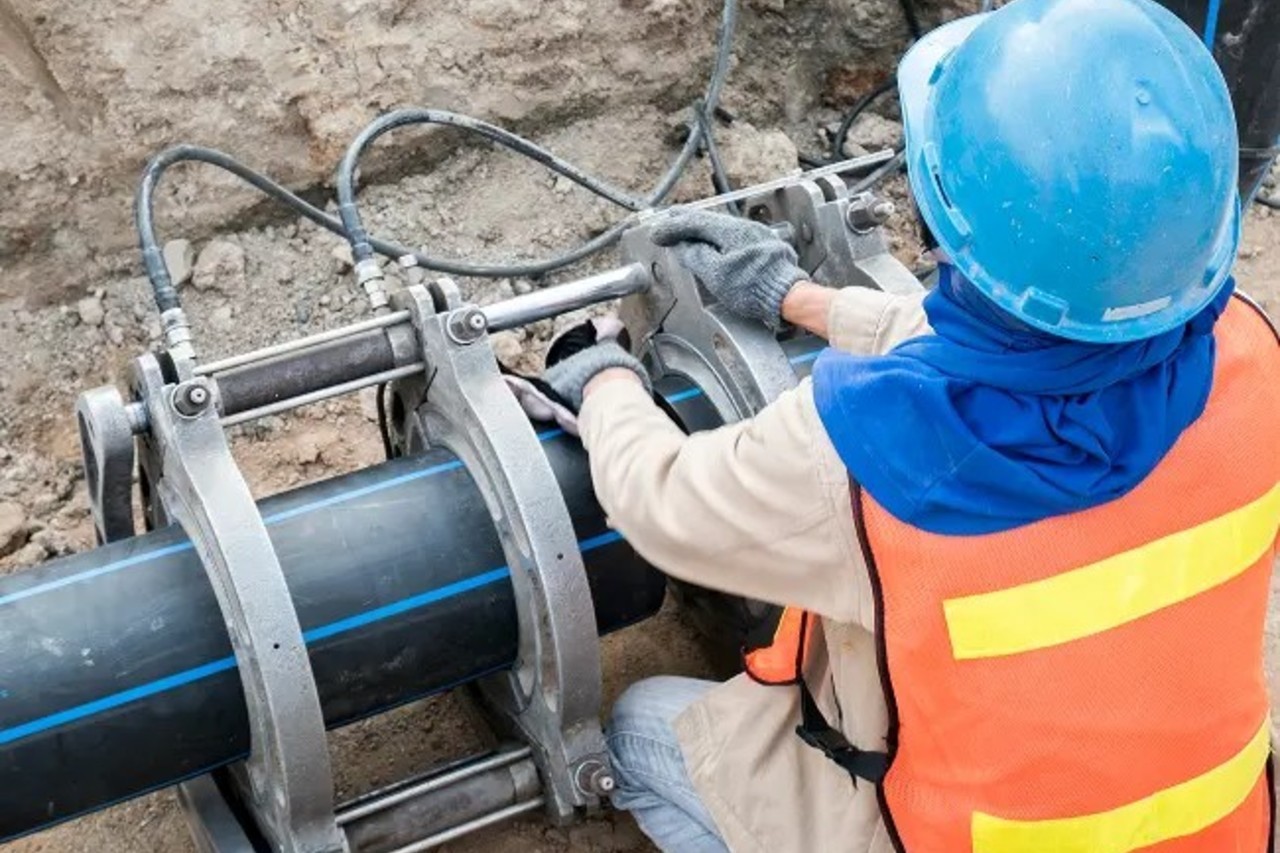
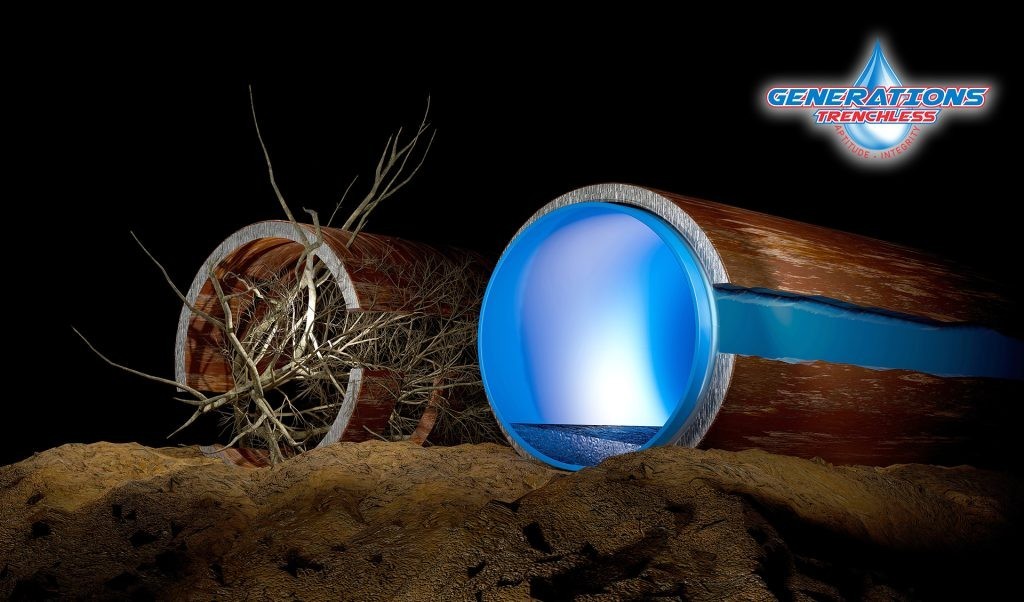
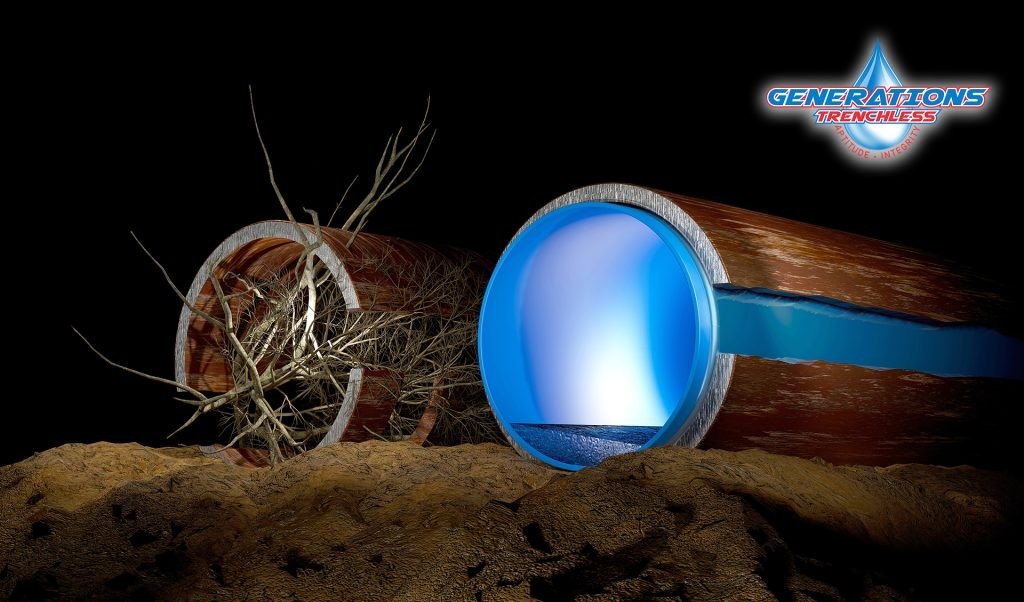
Here is how it works. A flexible liner, soaked in liquid resin, gets fed into your existing pipe through an access point that is already there. No digging to get it in. Once the liner is in position, air pressure or hot water expands it outward, pressing it firmly against the interior walls of the damaged pipe. The resin then hardens. What you are left with is a smooth, jointless surface bonded to the inside of the original pipe. The old pipe becomes the shell. The new liner does the work.
The result holds up. Generations backs its trenchless pipe repair work with a 10-year warranty.
How the Process Works, Step by Step
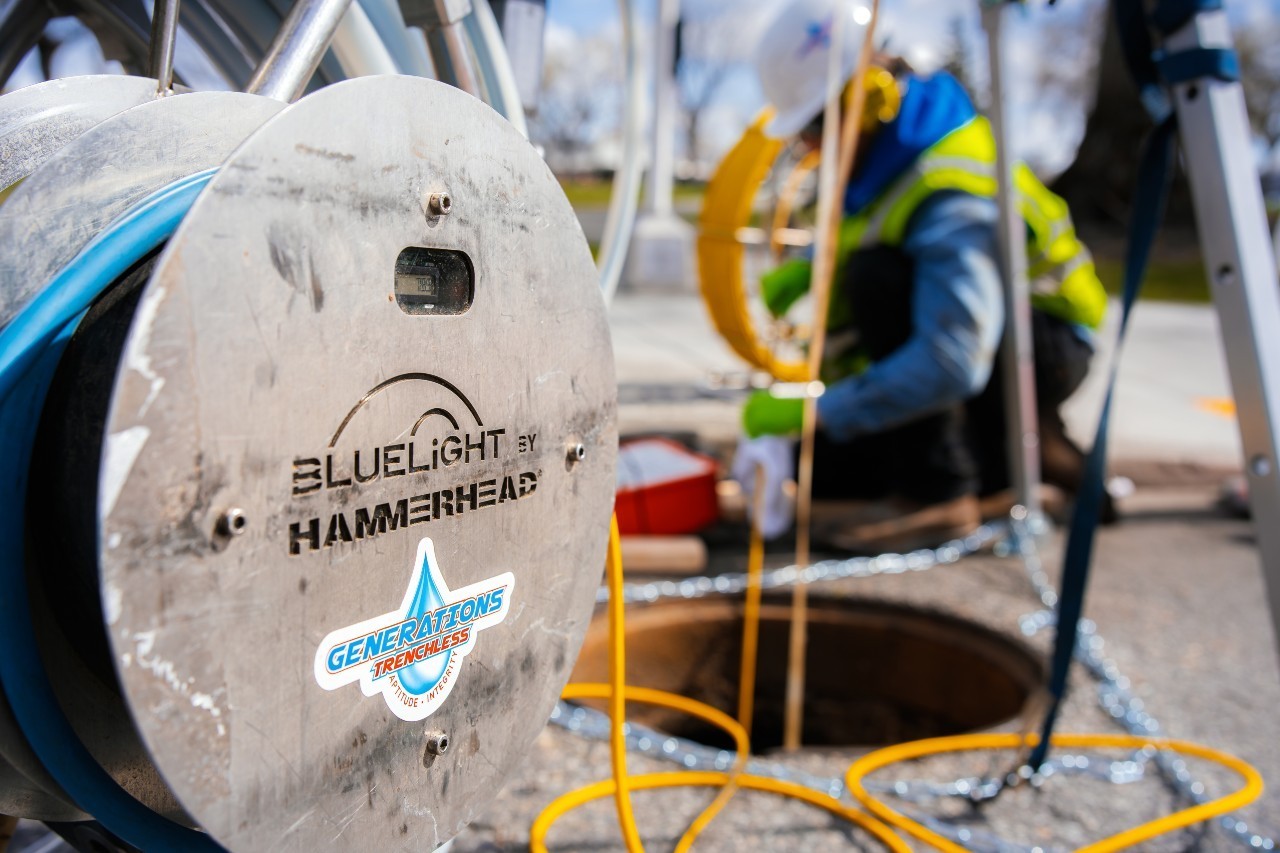
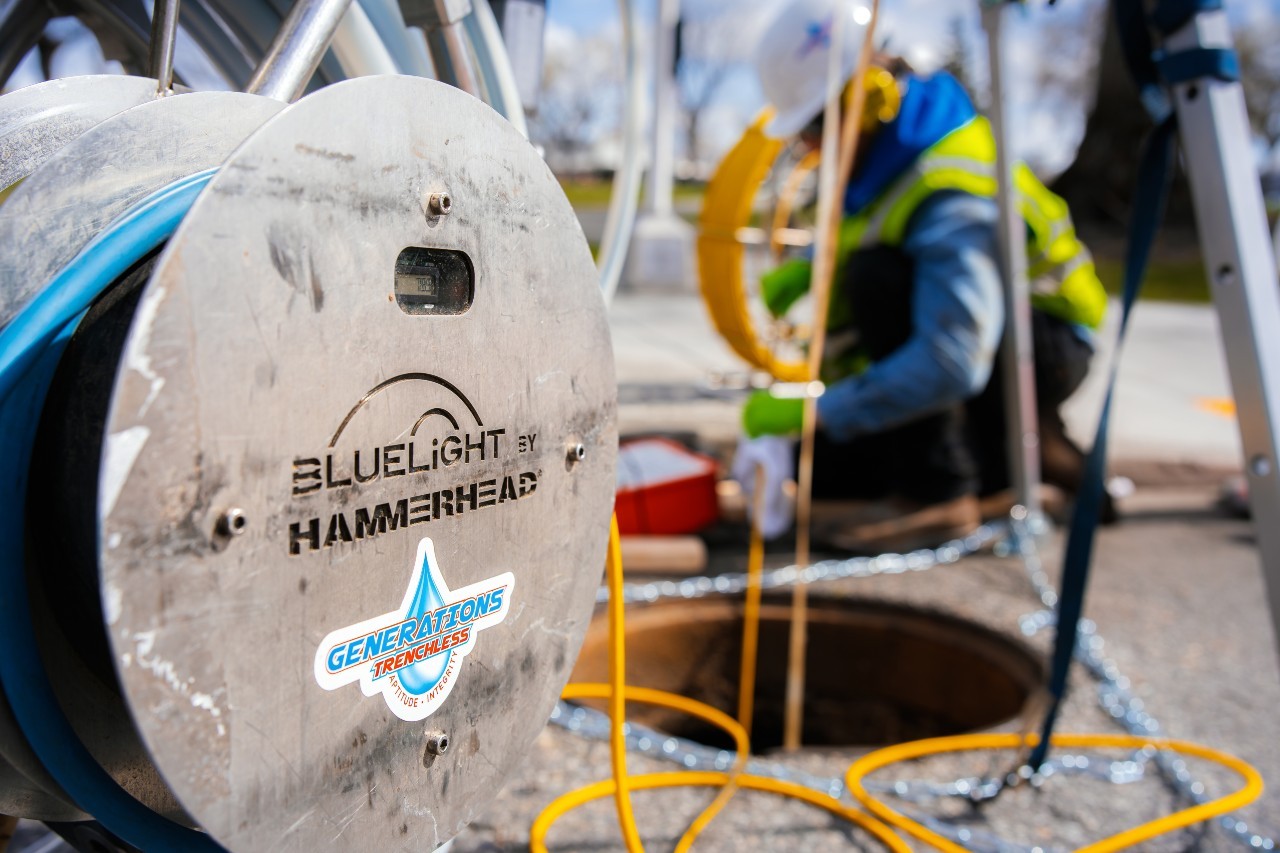
Every CIPP job at Generations starts the same way: a camera goes in first.
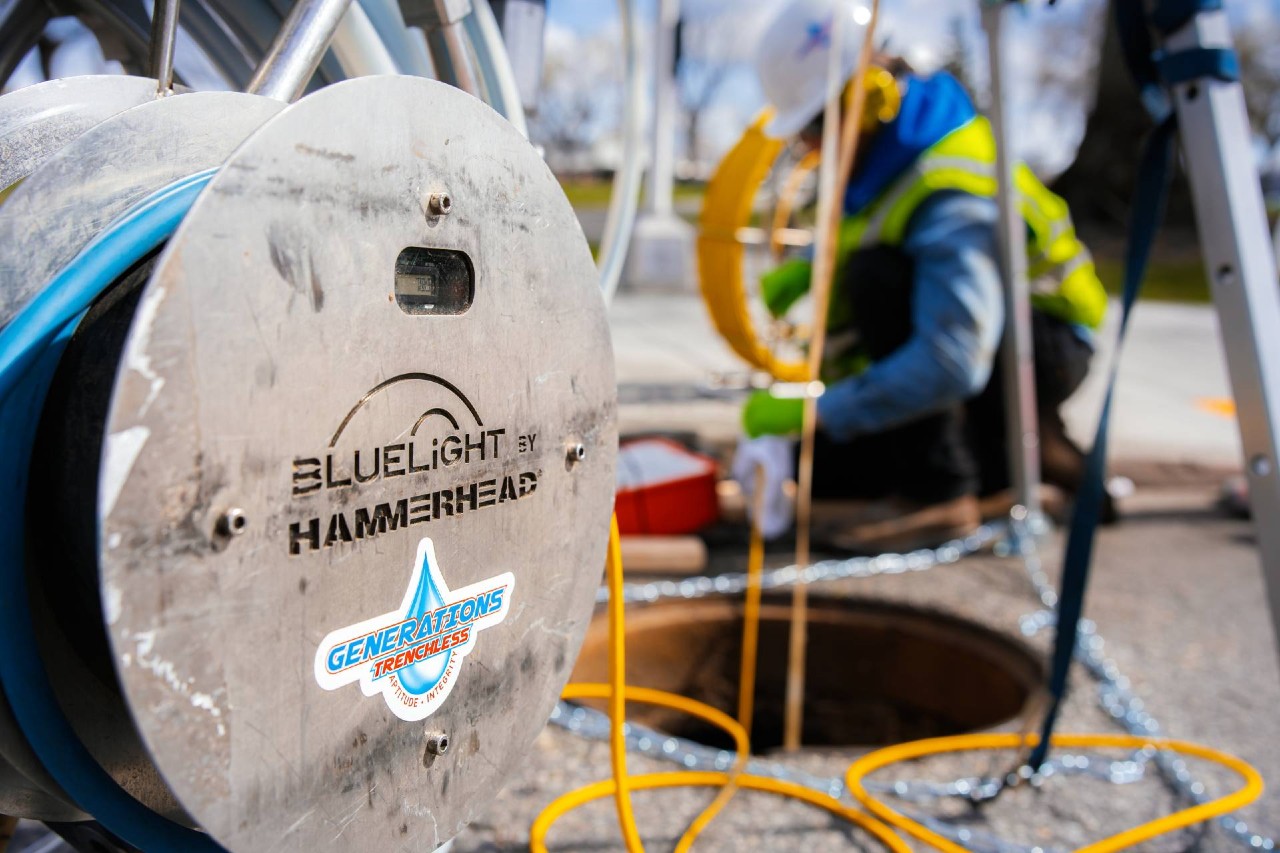
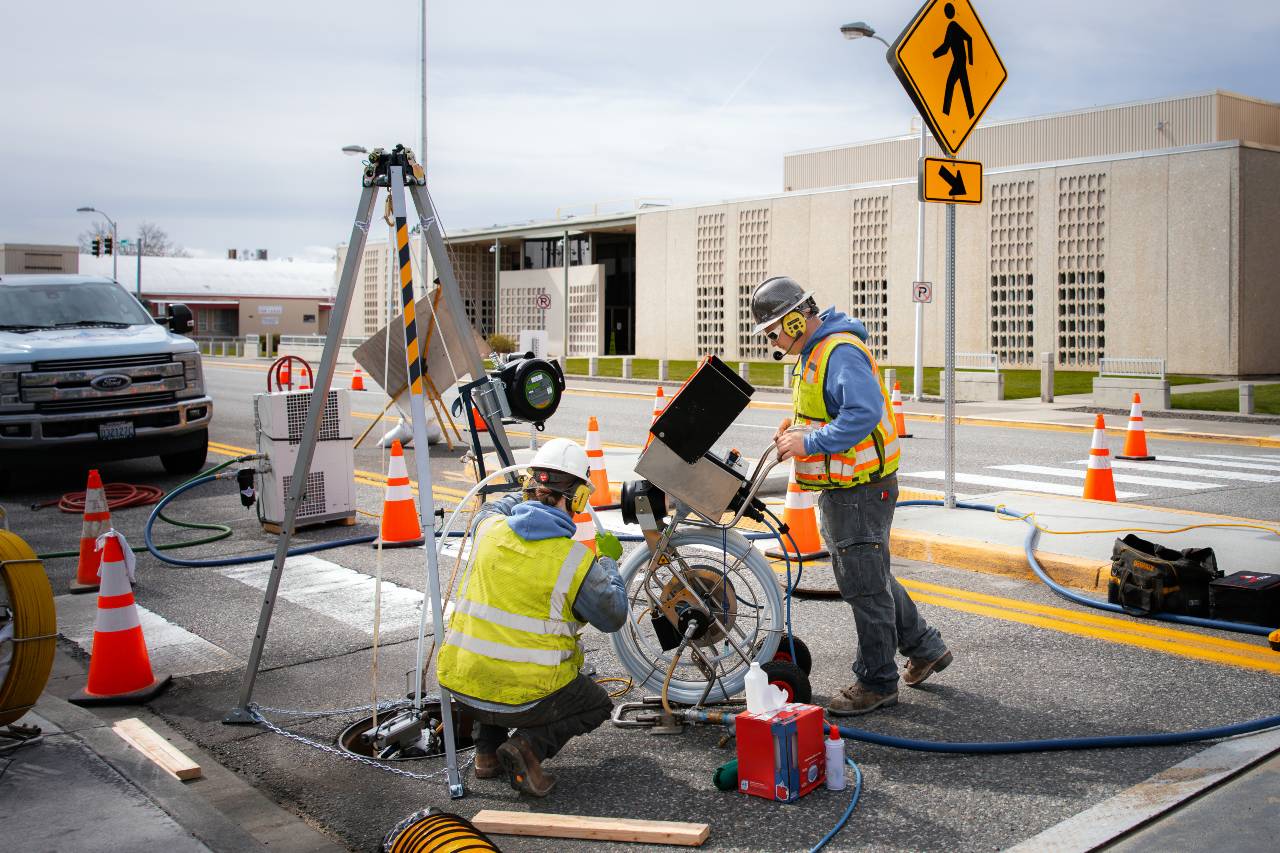
Thomas runs a video inspection through the line to confirm the pipe is a real candidate for lining. The pipe needs to hold its shape. If it is cracked, corroded, or leaking but still structurally intact, CIPP is likely the right call. If it has collapsed or shifted significantly out of alignment, a different approach applies.
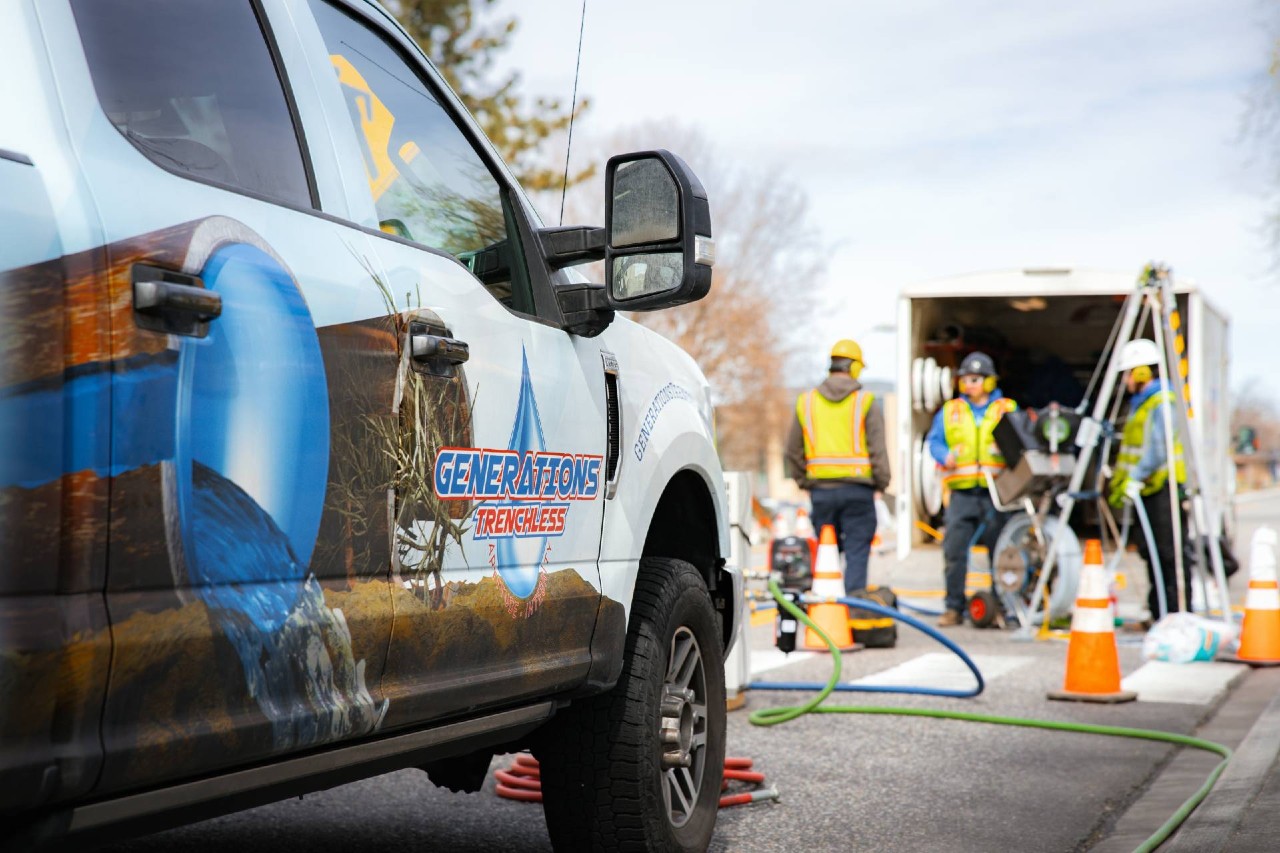
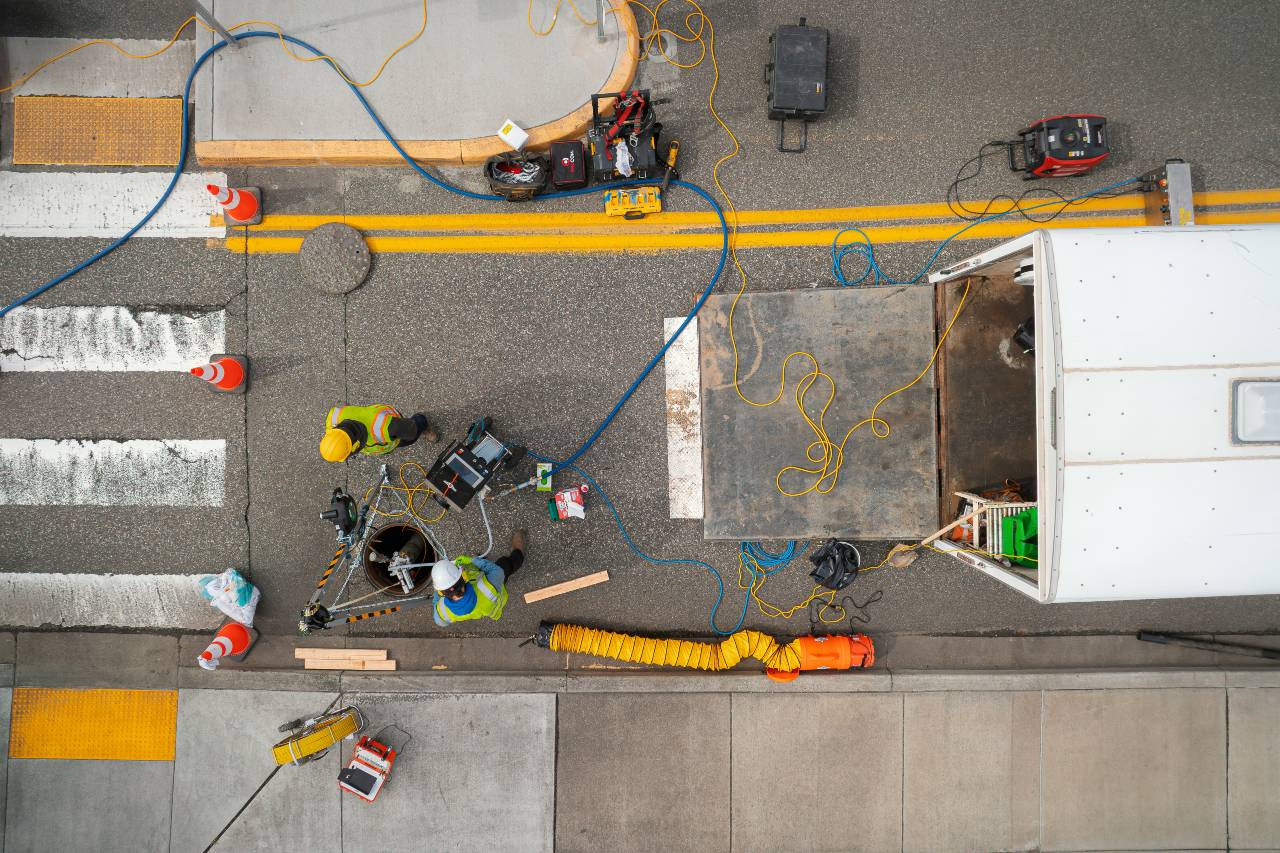
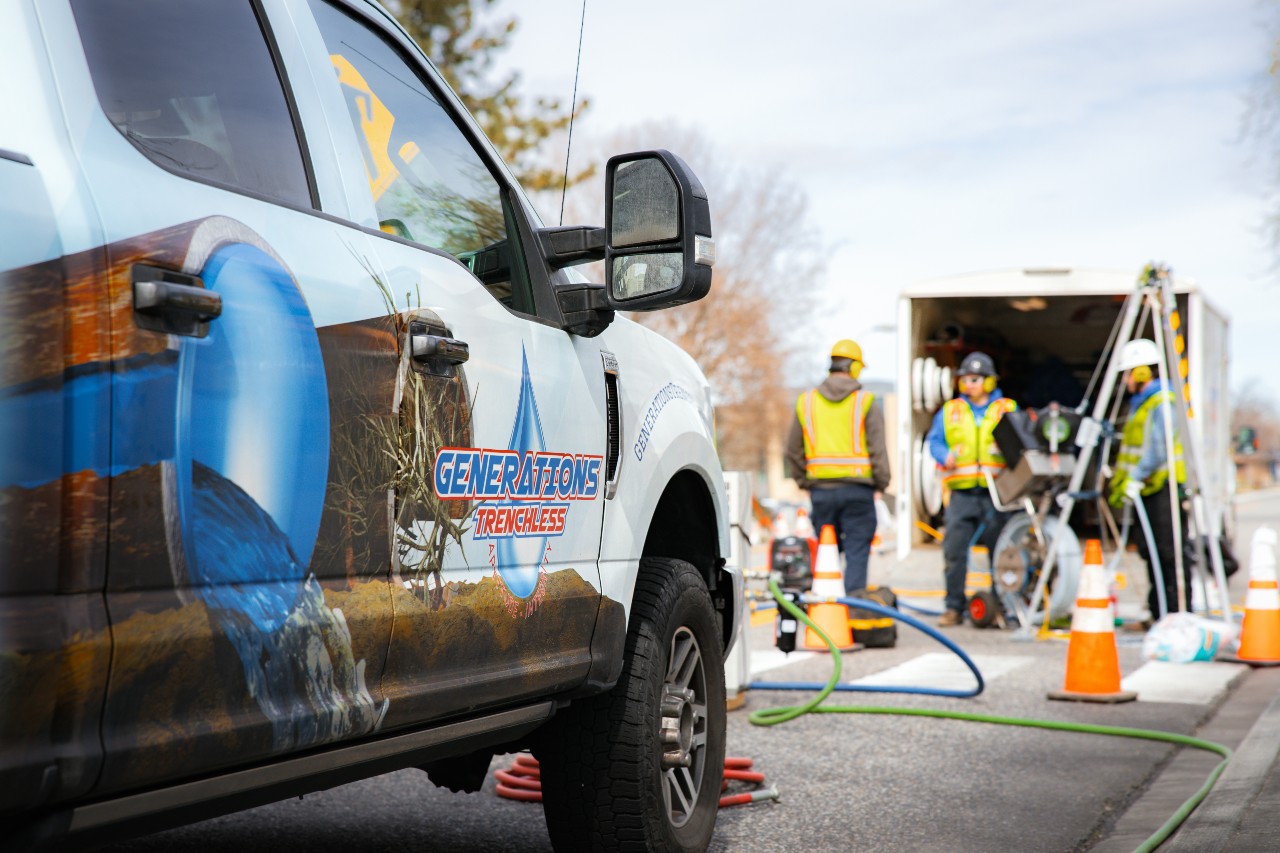
Once the line is confirmed, the crew cleans and flushes it to prep the surface. Then the liner goes in, gets expanded, and the resin cures. A second camera pass at the end confirms the repair is solid before anyone packs up.
Most jobs are completed in a day. Your yard is untouched from start to finish.
When CIPP Is the Right Call
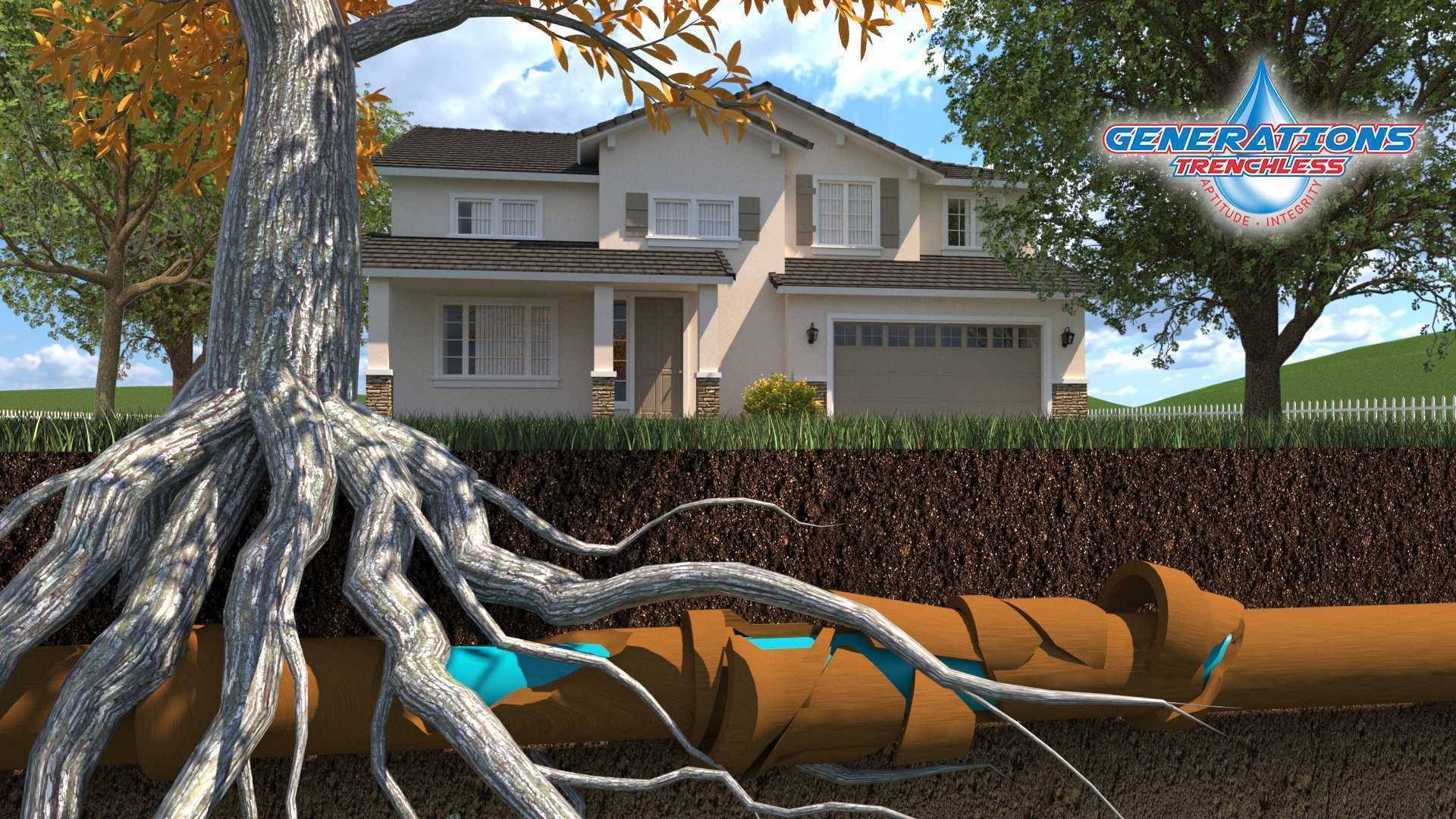
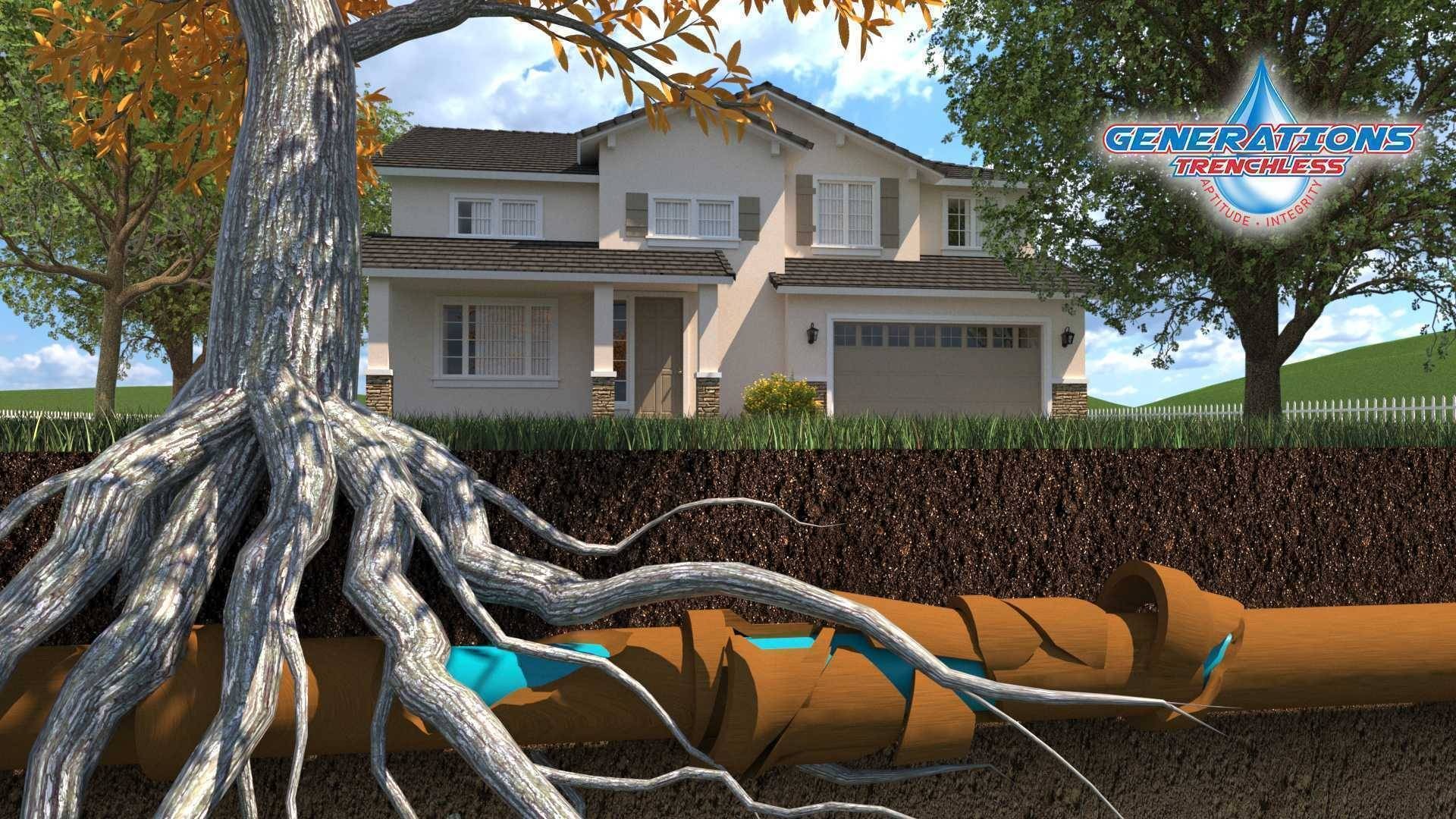
No-dig sewer repair is a strong fit for pipes that have cracks, corrosion, root intrusion, or slow leaks but still hold their basic shape. It is particularly well-suited to Tri-Cities homes, where clay soil shifts with temperature and moisture, and where older lines in Richland, Pasco, and Kennewick have been working hard for decades. If your home has mature trees, an established garden, a driveway over the line, or simply not much room to dig, CIPP protects all of it.
It is not the right tool for every situation. A pipe that has fully collapsed or moved significantly out of alignment may need pipe bursting or traditional excavation instead. That is exactly why the camera inspection comes first. The method follows the diagnosis, not the other way around.
Why It Matters Beyond Your Yard
The yard staying intact is the most visible benefit of sewer lining in the Tri-Cities, but it is not the only one. No trench means no landscaping restoration: no trees removed, no pavers lifted, no reseeding. Those restoration costs on a traditional excavation often equal the repair itself.
Trenchless pipe repair typically runs between $1,900 and $6,000 per project. Traditional excavation for a sewer line can take three to five days, and the restoration work adds time and cost on top of that. When you factor in what you are not paying to fix afterward, the numbers often favor the no-dig approach.
At Generations, you get the full price before any work begins. The estimate is free in the Tri-Cities.
How Generations Approaches the Diagnosis

A journeyman plumber runs every inspection and repair. Thomas has spent more than 15 years in the trade, including jobs where a previous company made a call without a camera and the repair did not hold. CIPP works when the pipe is properly assessed first. That assessment is not optional here; it is the foundation of every recommendation we make.
Ready to Know What Your Line Actually Needs?
You came here with a question. Now you have a real answer: CIPP sewer lining is a new pipe cured inside the old one, no trench required, and most jobs are done in a day.
If your home is in Richland, Pasco, Kennewick, or the surrounding Tri-Cities area, call Generations Trenchless and Plumbing for a free estimate. A camera inspection will show exactly what your line needs and give you the full price before any work begins. Reach us at (509) 416-6755.