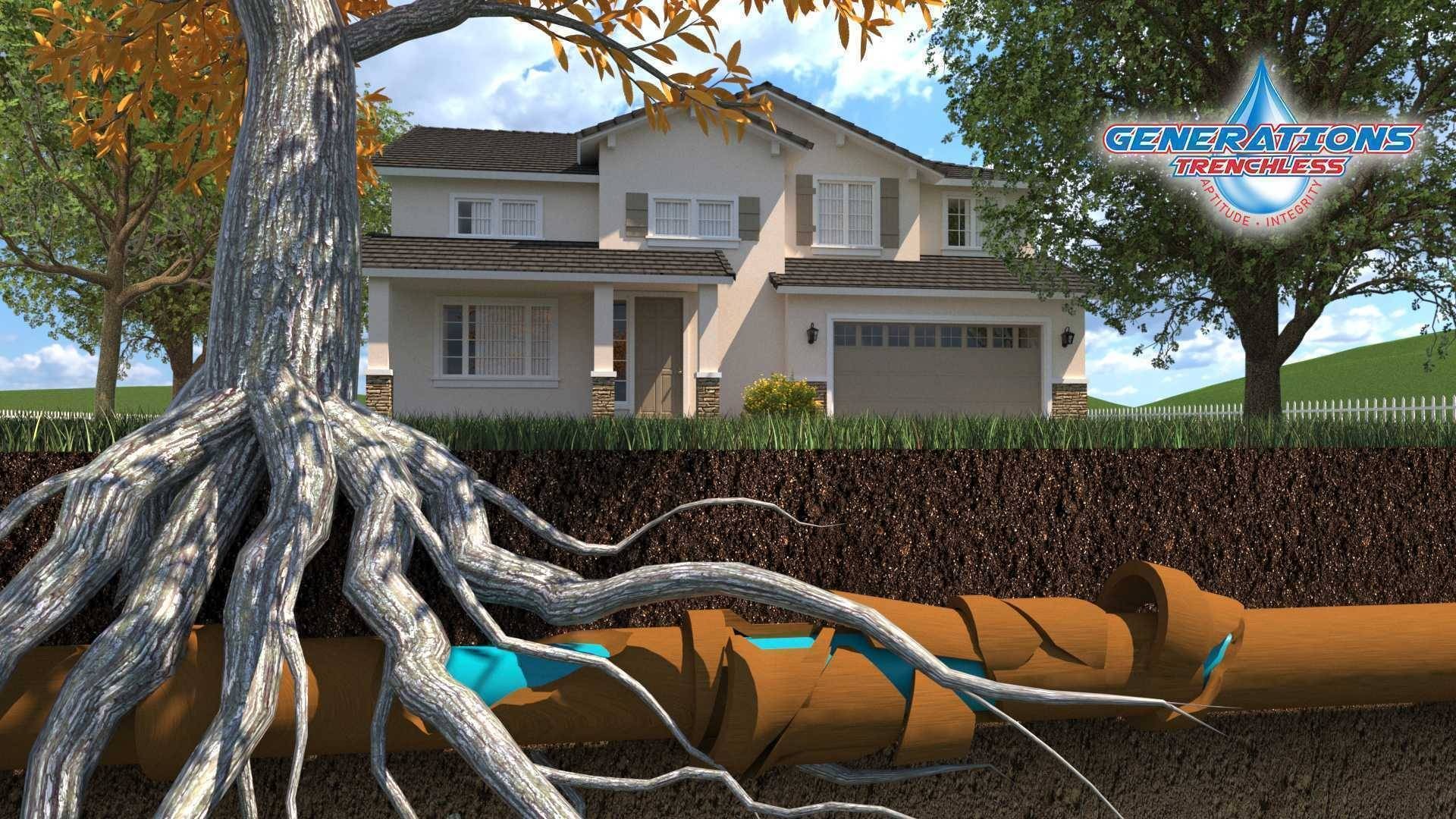
The estimate just landed. Your main water line is failing, the plumber wants several thousand dollars to repair it, and the explanation feels vague at best. The repair itself is one number, but the restoration, permits, and hidden costs that follow often double the total before the work is done.
According to the U.S. Environmental Protection Agency, approximately 240,000 water main breaks occur each year in the United States, costing roughly $2.6 billion in repair and maintenance. As infrastructure ages and pipes wear out, more homeowners are discovering that their water line is next.
In this post, we cover:
- The real factors that influence the main water line repair cost
- How traditional excavation and trenchless line repair methods compare
- Hidden expenses many homeowners overlook
- How to get accurate, transparent estimates
What Influences Main Water Line Repair Cost?

Main water line repair cost varies widely from home to home, and the factors behind that variation are real, not arbitrary. Understanding what drives the price helps homeowners read estimates with confidence and spot when something looks off.
Depth, Location, and Pipe Material
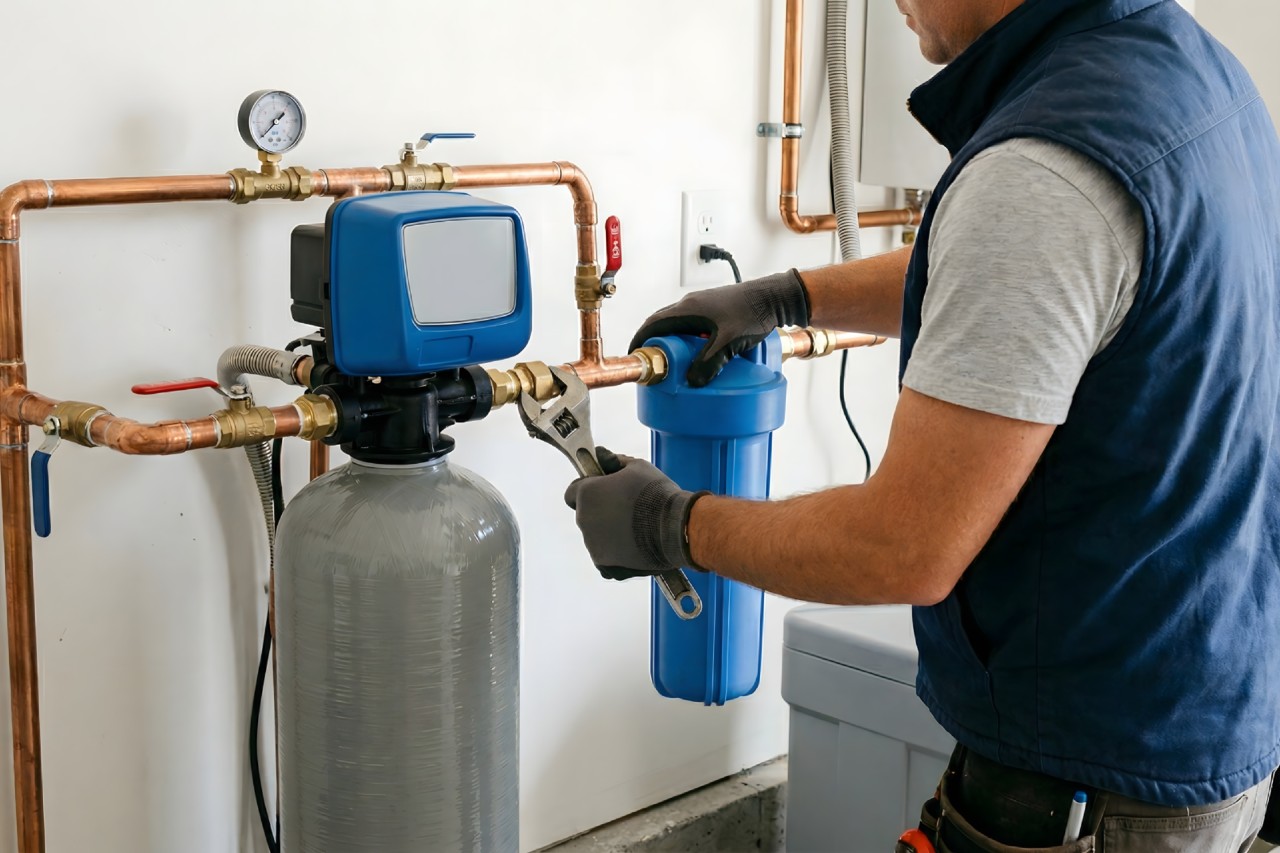
The depth of the water line where it crosses the property and the pipe material all directly affect the repair cost. Lines buried deep beneath driveways, patios, or mature landscaping cost more to access than shallow lines in open yards.
Pipe material matters too, since copper, PEX, PVC, and galvanized steel pipe all carry different material costs per linear foot.
Damage Extent and Site Conditions
The size of the leak, the length of the broken pipe section, and soil conditions around the line all shape the total cost. Soft soil and easy access keep labor costs down, while rocky ground, soil erosion, high water tables, and accessibility obstacles drive them up.
Repair vs. Replacement: Cost Considerations
A small leak in a relatively new water service line often justifies a spot repair, while an older pipe with widespread corrosion or repeated leaks usually warrants full replacement. The age and condition of the pipe are the biggest factors, and a thorough inspection determines which repair type makes sense for your home.
Repeated repairs on a failing water line cost more in the long run than a single replacement. Three small fixes over five years could easily exceed the cost of replacing the entire pipe, especially when each repair triggers additional restoration costs.
Traditional Excavation vs. Trenchless Methods
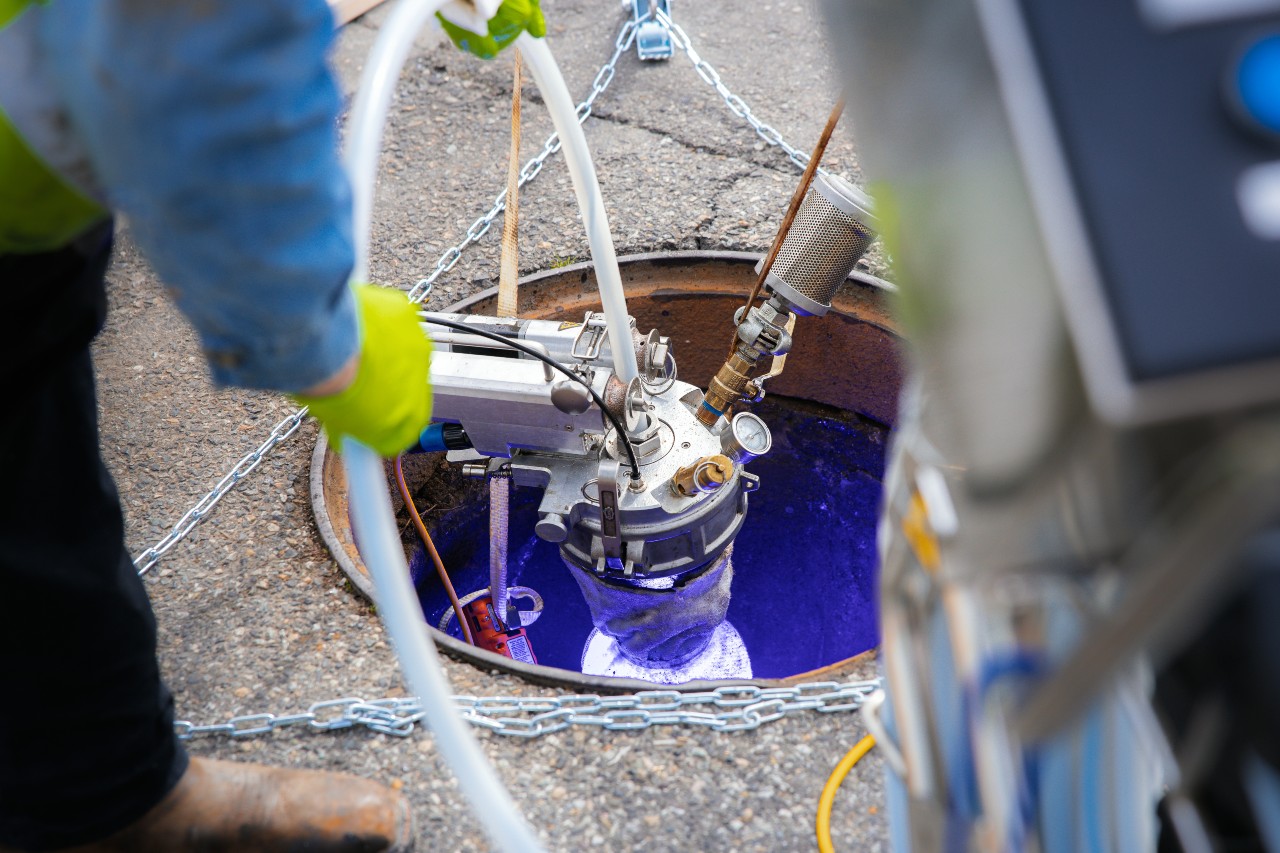
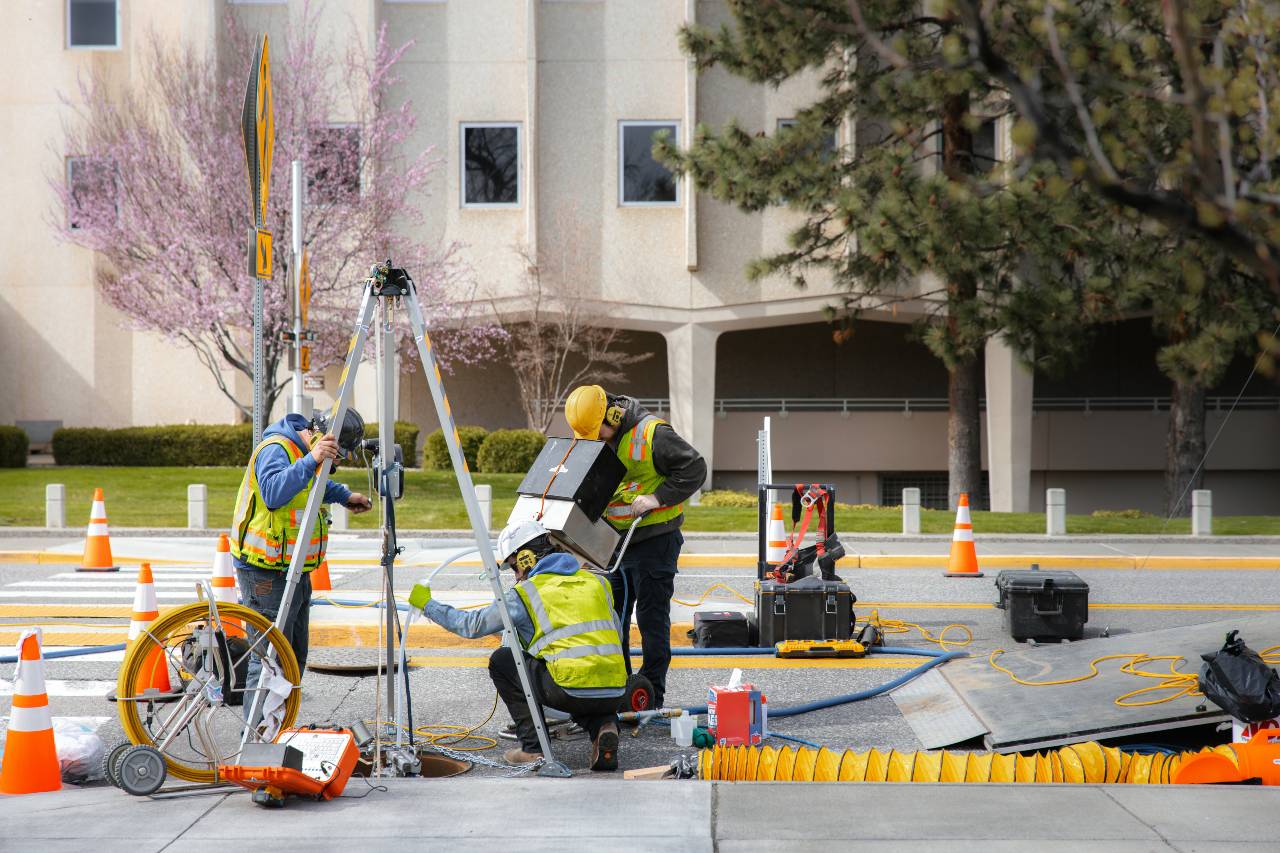
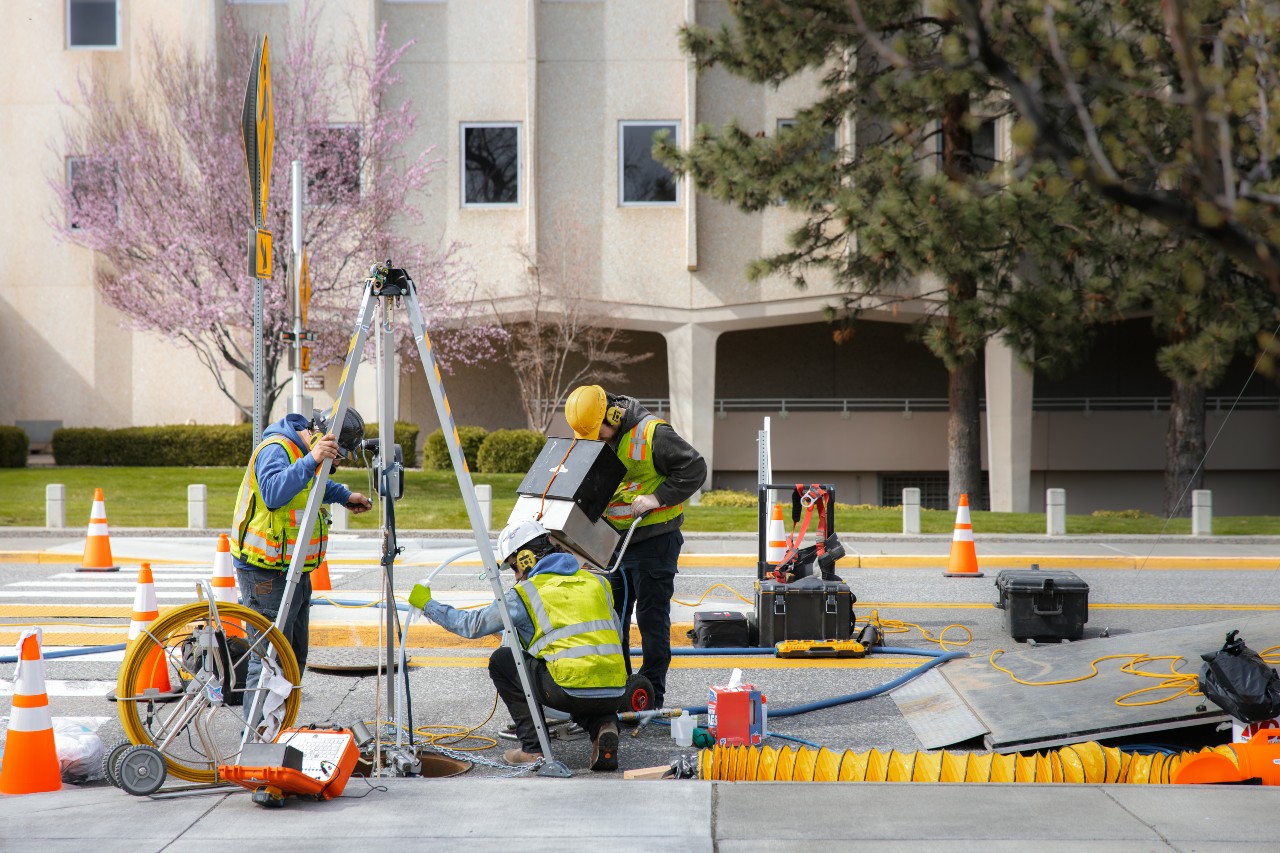
The repair method has a major impact on the final cost of the water line repair, often exceeding the cost of the pipe itself. Traditional excavation digs a long trench across the property to access the water line. In contrast, trenchless line repair methods use small access points to repair or replace the pipe with minimal disruption.
Pipe Repair Method Comparison
| Factor | Traditional Excavation | Trenchless Repair |
| Project time | 2 to 5 days | Hours to 1 day |
| Yard and hardscape disruption | Trench across the property | Two small access points |
| Restoration costs | Often equals the repair itself | Minimal to none |
| Driveways, patios, landscaping | Often demolished and rebuilt | Left undisturbed |
According to the 2025 ASCE Infrastructure Report Card, approximately 20% of installed water mains in the U.S. have exceeded their useful lives but are still in service. Trenchless line repair often delivers the same result at a lower total cost once restoration is factored in.
Hidden Costs Many Homeowners Overlook
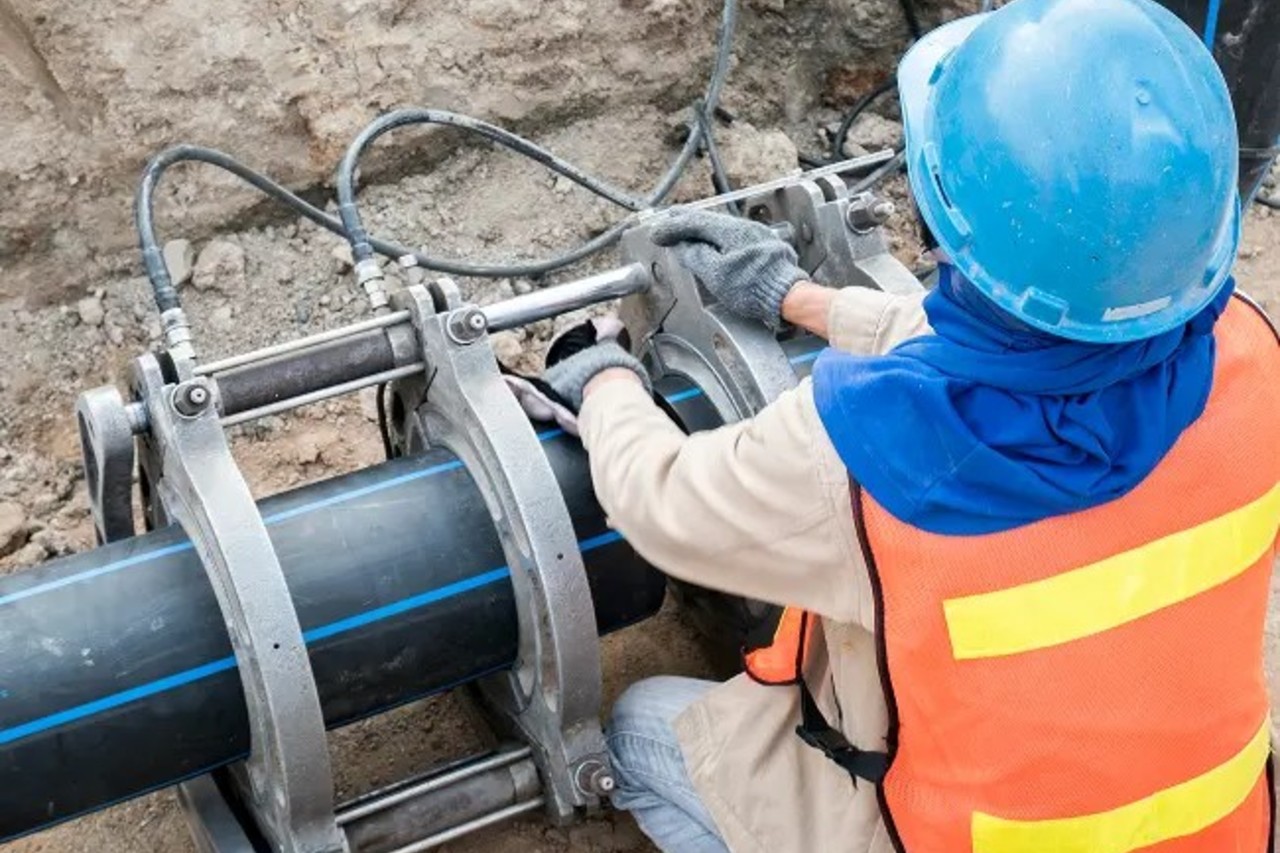
The headline price on a water line repair estimate rarely tells the whole story. Several real expenses get buried in the fine print or skipped entirely, only to surface after the work is underway.
Common hidden costs include:
- Landscape restoration and hardscape repairs. Replacing torn-up sod, plants, sprinkler lines, driveways, and patios costs more than repairing the pipe itself.
- Permit fees and inspections. Most municipalities require permits for main water line work, and the cost varies depending on location.
- Water damage cleanup. A leaking pipe that has saturated the surrounding ground often causes further damage that needs remediation before the repair process is complete.
- Temporary water service. Some repairs require shutting off water at the water meter for a day or more, with bottled water or temporary connections adding to the total cost.
Asking about these expenses upfront separates a transparent estimate from one designed to look low until the bill arrives.
Material Costs and Longevity Factors
Pipe material choice affects both the upfront cost and the long-term durability of the water line. Copper costs more per linear foot but lasts decades, while PEX and PVC cost less and resist corrosion better than older copper, galvanized steel, or brass fittings. The average cost of materials varies widely by pipe type.
The cheapest material is rarely the best long-term value. A slightly higher upfront investment in quality pipe often pays off through fewer water line repairs, longer lifespan, and stronger warranty coverage that helps prevent future issues.
Labor and Complexity Factors
Labor costs scale with project complexity. A straightforward repair on a shallow line in an open yard takes a fraction of the time and labor of a deep line running beneath a finished driveway or close to a water heater, water meter, or other utilities.
Emergency repairs on a main water line leak cost more than scheduled maintenance, since after-hours work and rapid response carry premium labor rates. Larger jobs may also require coordination with multiple trades, including landscapers, concrete crews, and permit inspectors, which adds to the total cost.
When to Invest in Quality Over Cheap Fixes
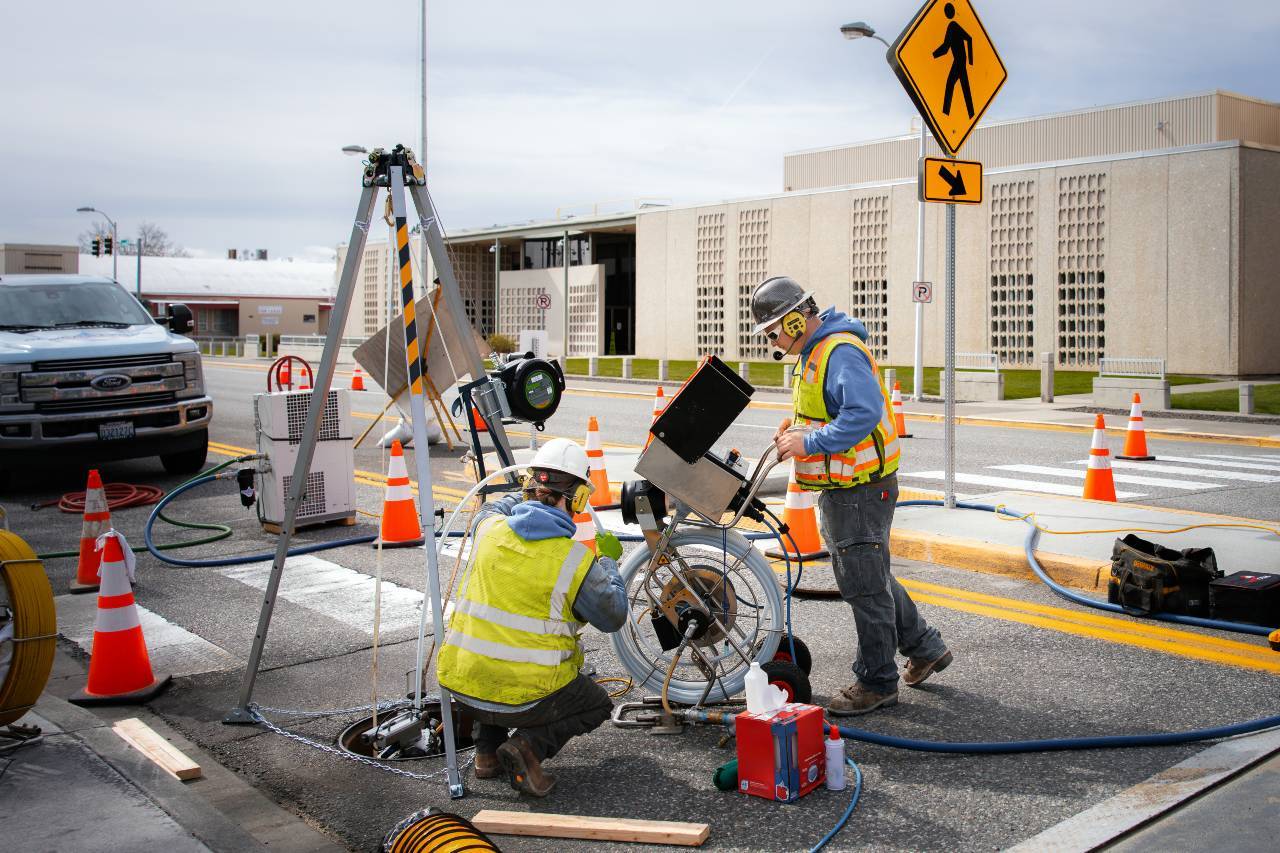
The lowest bid is rarely the cheapest repair in the long run. Cut-rate work often skips proper materials, omits permits, or rushes the job, leading to leaks, code violations, and recurring problems within a few years.
Quality water line repairs done by a licensed plumber cost more upfront but deliver real value. Proper pipes, correct installation, and warranty-backed work protect the homeowner from future damage, water damage cleanup, and the hidden cost of having to do the same repair twice.
Getting Accurate Estimates
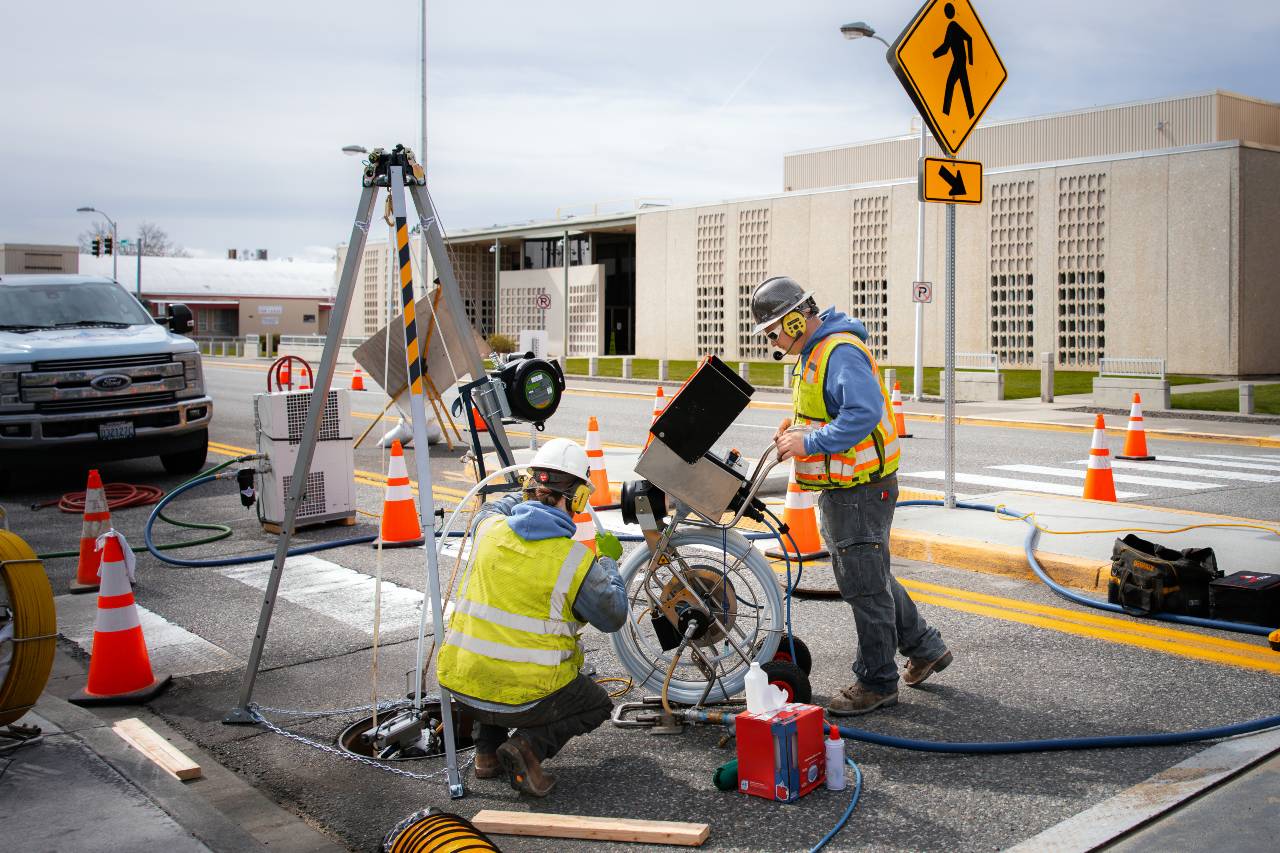
A real estimate is built on facts, not guesses. The most reliable estimates start with a video camera inspection that shows exactly what is happening underground, followed by a written breakdown of every cost involved.
What to Expect During a Professional Assessment
A professional assessment includes a camera inspection of the existing water line, a clear explanation of the damage, and an itemized estimate that lists materials, labor, permits, and restoration.
Multiple repair options should be presented, with the pros and cons, so that the homeowner can make an informed decision based on real cost data.
Red Flags in Suspiciously Low Estimates
A quote that comes in dramatically below others is usually missing something. Watch for vague line items, no mention of permits, and contractors who pressure for a fast decision. A licensed plumber who provides a detailed estimate and answers questions openly is the safer long-term choice.
Financing and Budget Planning
A main water line repair rarely arrives at a convenient time, and most homeowners’ insurance policies do not cover the cost. Setting aside an emergency fund for major plumbing repairs softens the financial hit when the inevitable happens.
Financing options through the contractor, home equity lines, or service line protection plans spread the cost over time. Preventive measures such as routine camera inspections and prompt attention to small leaks or low water pressure reduce the likelihood of costly emergency repairs.
Cost-Effective Solutions from a Trusted Trenchless Plumbing Pro
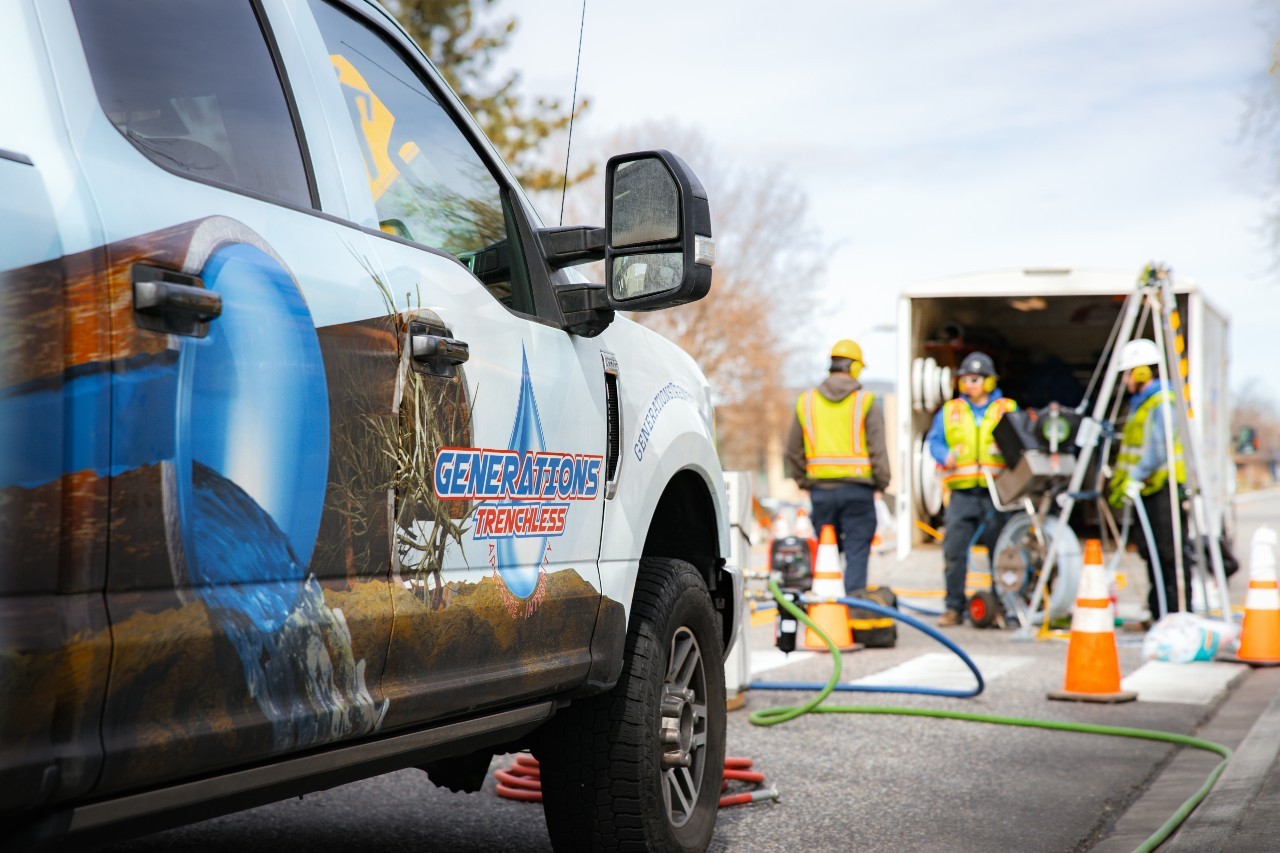
Cost-effective water line work is built on more than competitive pricing. The right contractor delivers transparency, accurate diagnostics, and honest options that protect the homeowner from surprises before, during, and after the repair.
A trusted trenchless plumbing pro will provide:
- Transparent pricing and honest assessments that explain every line item and the average cost of each repair option before the work begins.
- Video inspection for an accurate diagnosis, rather than guesswork or unnecessary excavation of the water line.
- Multiple repair options, with their pros and cons, are clearly explained.
- No hidden fees or surprise charges on the final invoice.
Need an Honest Assessment of Your Main Water Line Repair Cost?
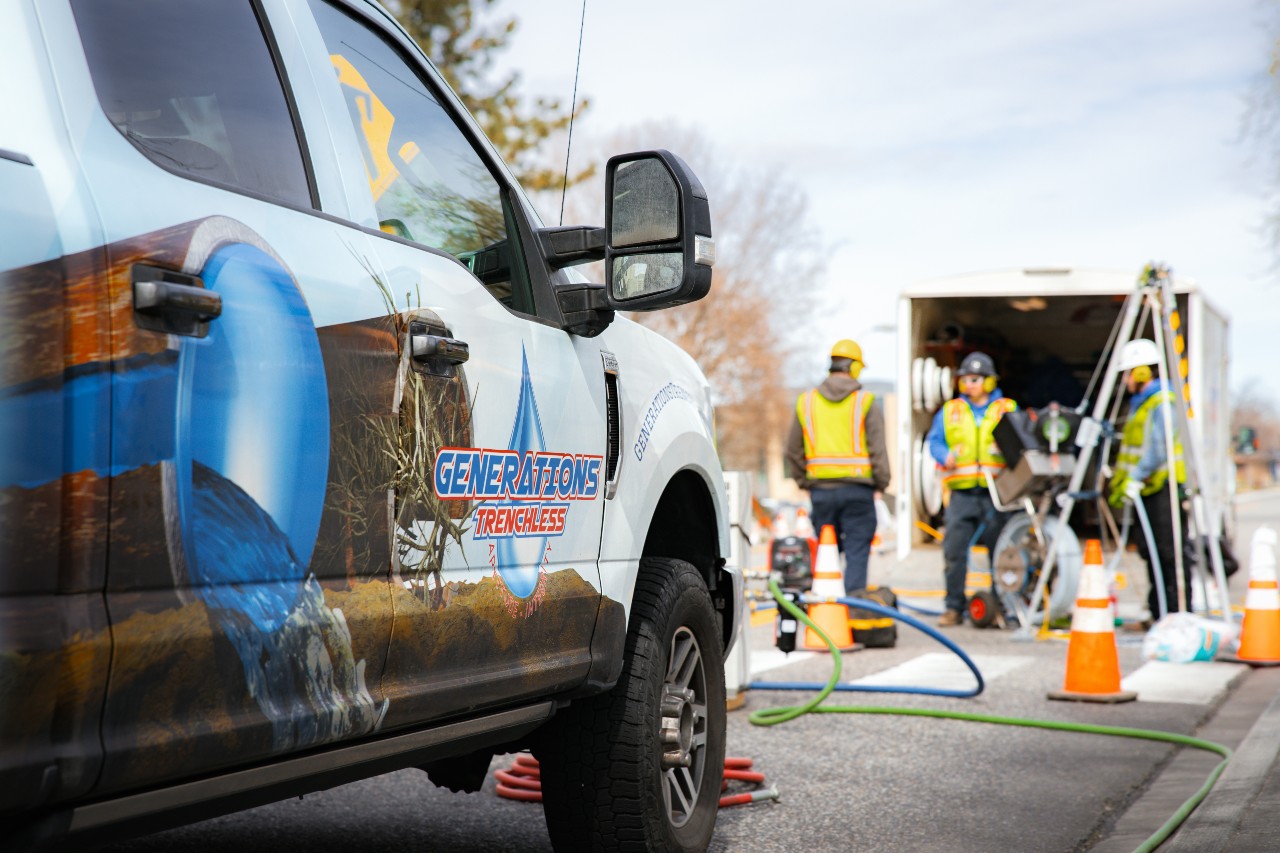
Get transparent answers from Generations Trenchless and Plumbing. Don’t let uncertainty about the cost of underground water line repairs prevent you from getting the repairs your home needs.
Contact Generations Trenchless and Plumbing today for a comprehensive video inspection and a detailed, itemized estimate. We’ll explain all your options, answer your questions, and help you make the best decision for your property and budget.
No hidden fees, no pressure, just honest expertise and fair pricing. Call us now to schedule your inspection and get the clarity you deserve.