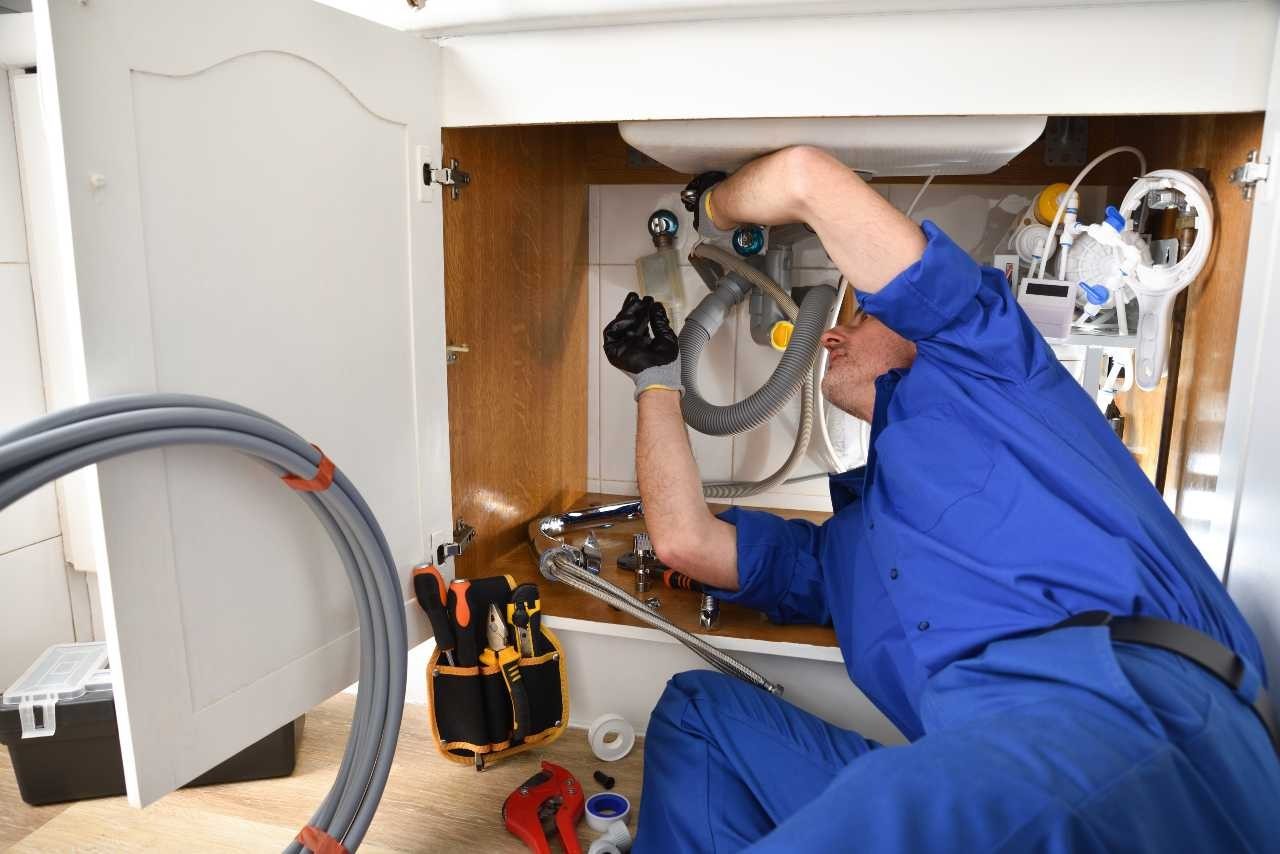
Every drain in the house backs up at once. Or you notice a soft, soggy patch in the yard that was not there last week. You call a plumber, and somewhere in the conversation you hear the words “collapsed sewer line.” The mental image that follows, a crew tearing up your yard for days, is understandable. It is also not always accurate.
“Collapsed” covers a wide range of conditions, from a pipe that has partially caved inward but still moves waste slowly, to one that is fully crushed and completely blocked. The severity matters enormously, because it determines which repair method is actually appropriate. Some collapsed lines are strong candidates for trenchless repair. Others require excavation. The only way to know which situation you are in is a camera inspection.
By the end of this article, you will understand what a collapsed sewer line actually means, which trenchless recovery strategies apply and when they do not, and why the diagnosis has to come before any recommendation.
In this post, you’ll learn:
- What “collapsed” means and how severity affects your options
- The common causes of sewer line collapse in Tri-Cities homes
- When trenchless sewer repair in Richland and across the Tri-Cities is viable, and when it is not
- What a camera inspection reveals and why it is the necessary first step
- What the repair process looks like from assessment through completion
What “Collapsed” Actually Means
A collapsed sewer line is not a single condition. It is a spectrum.
On one end, a partial collapse means the pipe has caved inward at one point but waste can still move through, slowly and with difficulty. On the other end, a full collapse means the pipe is crushed or blocked entirely, and nothing is moving. The repair path for each is different, which is why the word “collapsed” on its own does not tell you much.
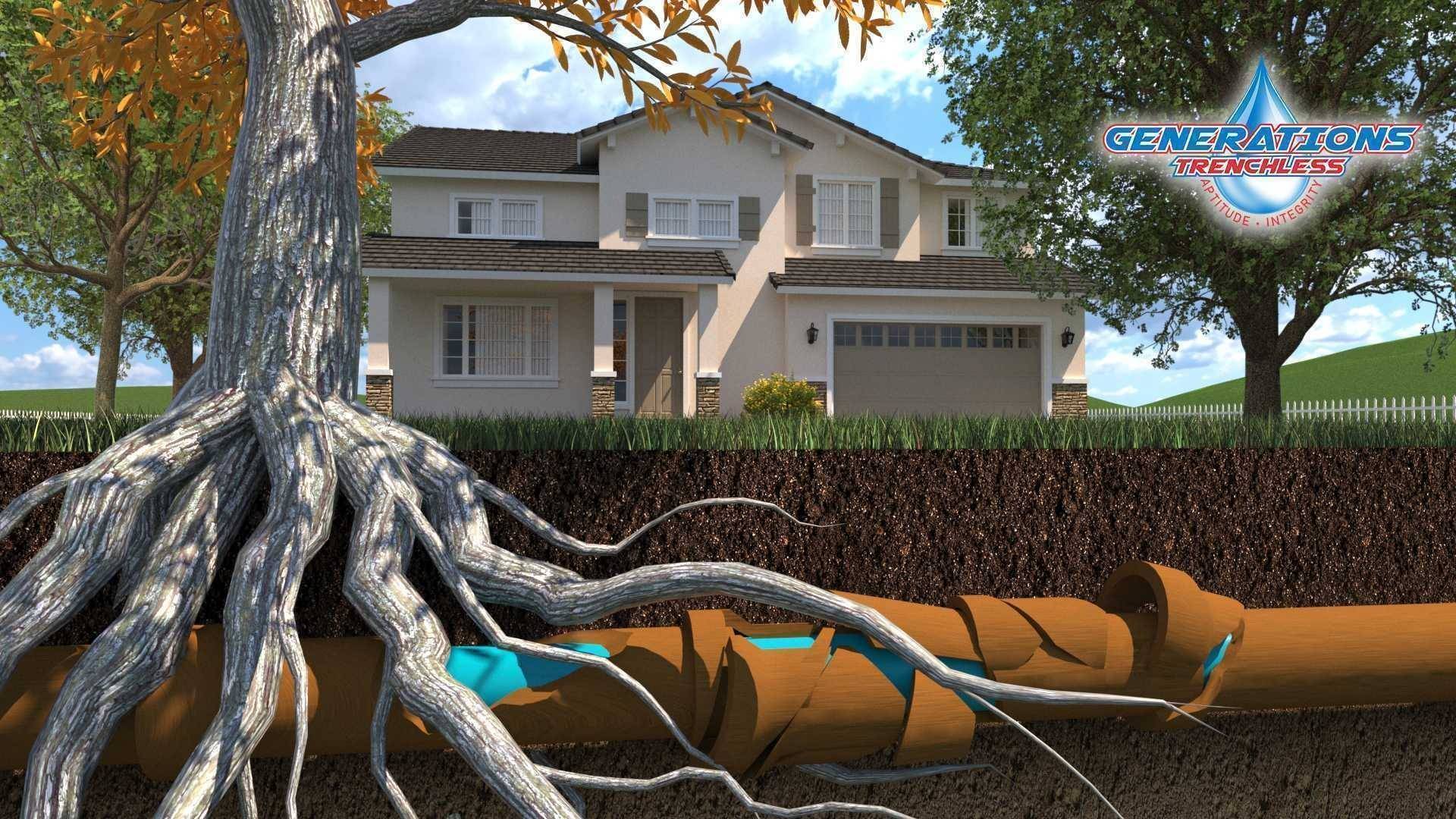
Several conditions get grouped under the same label and are worth distinguishing. A bellied pipe has sagged in the middle, creating a low point where waste pools. A cracked or separated pipe has broken at a joint or along its length. A collapsed pipe has lost its round shape and partially or fully closed off. Each has different repair implications, and a camera is the only tool that tells you which one you are actually dealing with.
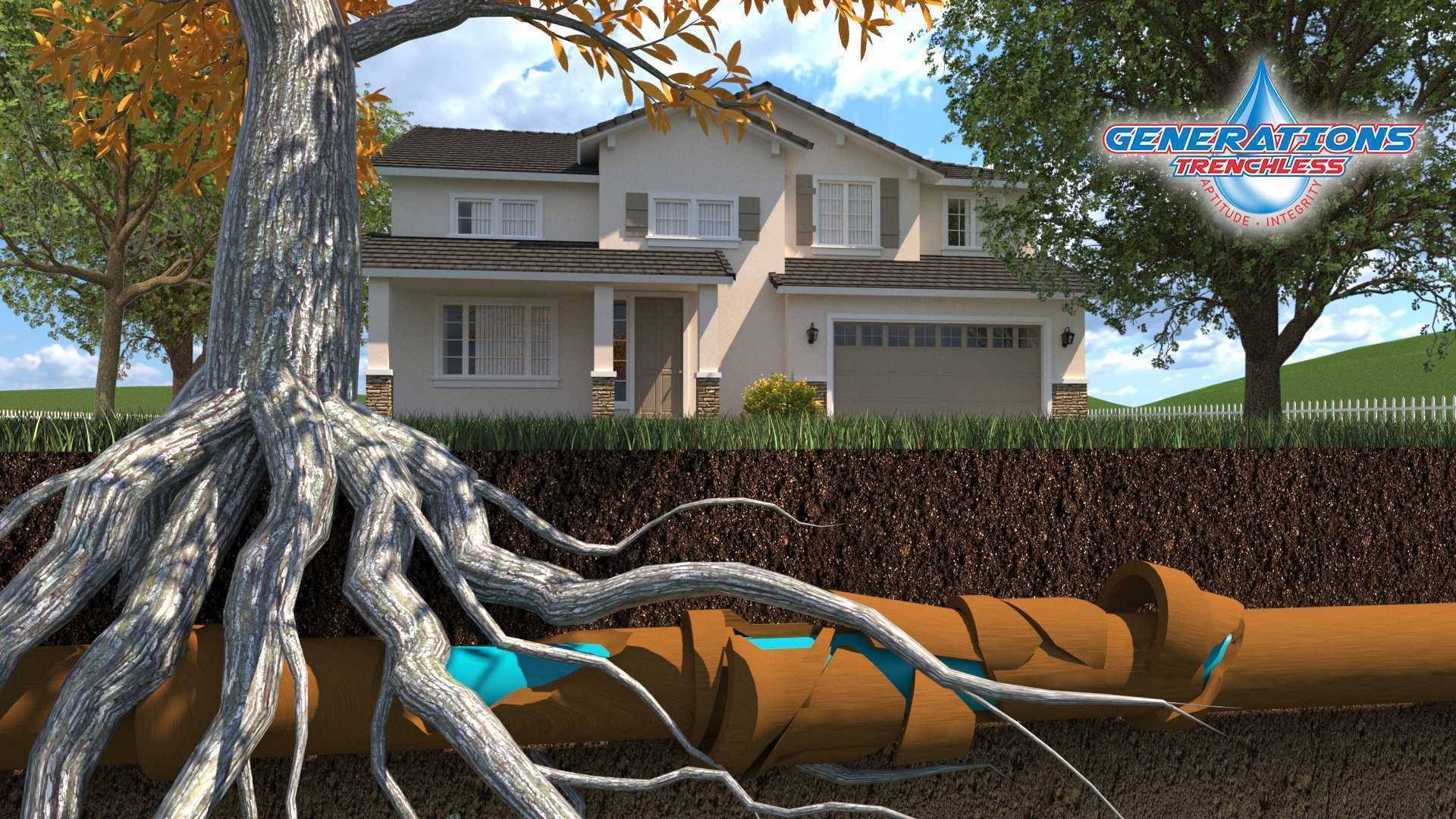
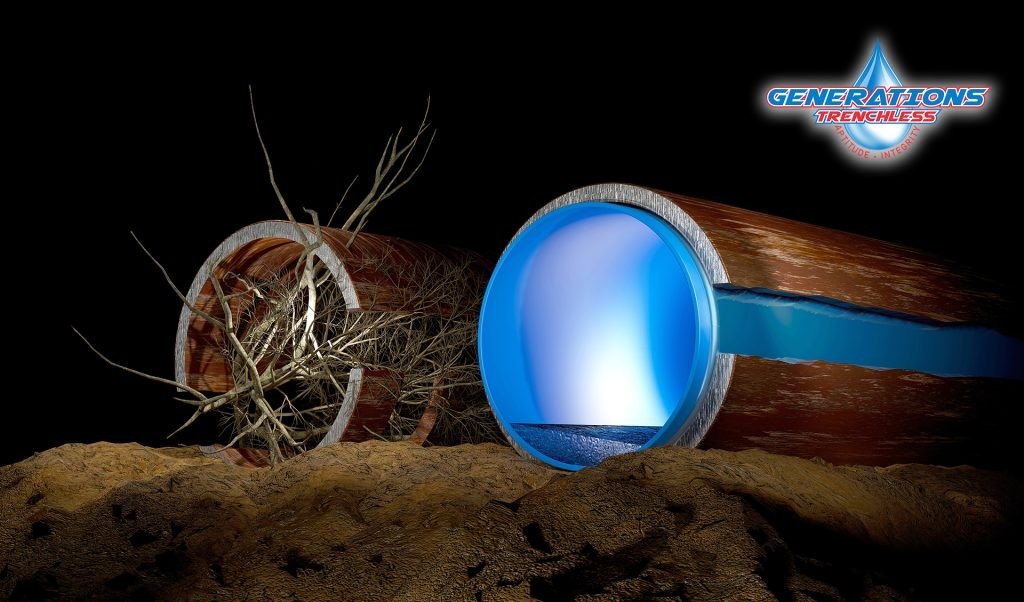
In the Tri-Cities, the most common causes of sewer line collapse in older homes are clay soil conditions and the way that soil shifts with Eastern Washington’s freeze-thaw cycles, root intrusion from mature trees working into joints over decades, and the age of the pipe itself. Clay and cast-iron lines installed in homes built before the 1980s were not designed to last indefinitely. They have often been working without inspection for forty or fifty years by the time a problem surfaces.
Trenchless Recovery: When It Works and When It Does Not
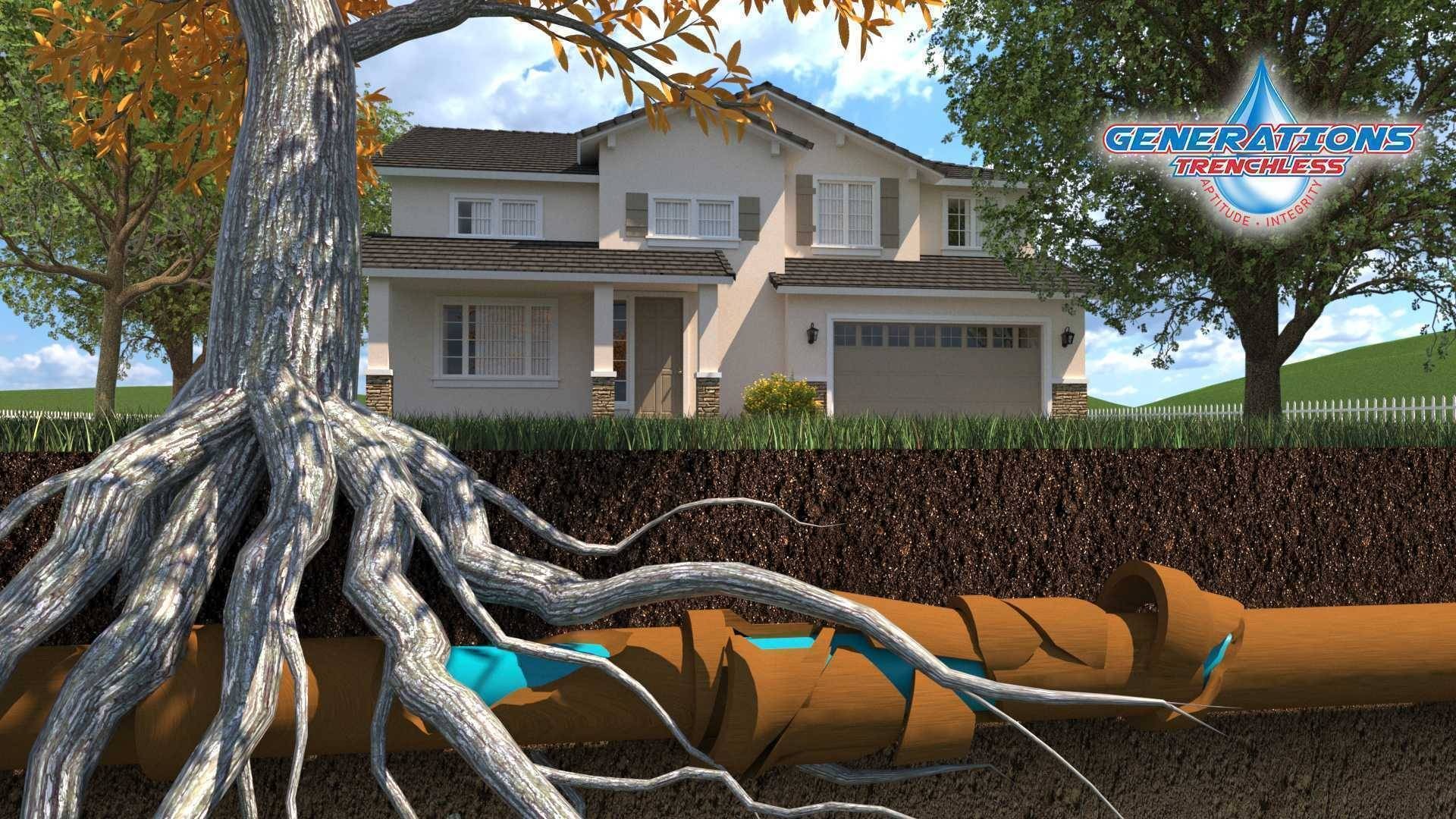
Two trenchless methods apply to collapsed or severely damaged sewer lines, and they are not interchangeable.
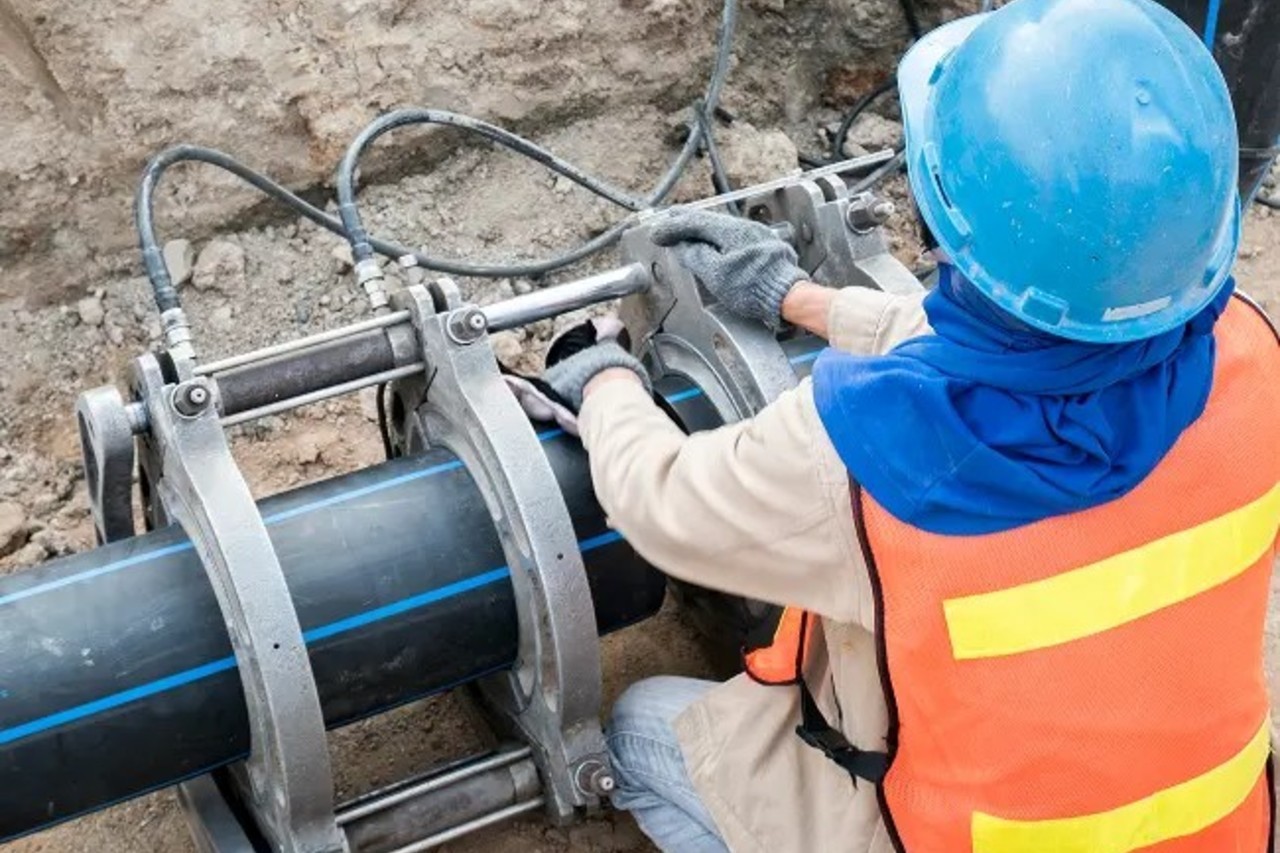
Pipe bursting is the primary trenchless option for a collapsed or heavily damaged line. A bursting head is fed through the existing pipe, fracturing it outward while simultaneously pulling a new pipe into place behind it. The ground between the two access points stays untouched. Pipe bursting works when the pipe retains enough alignment to thread the bursting head through. If the pipe has shifted significantly off its original path, that access may not be possible.
CIPP lining (cured-in-place pipe lining) works differently. A resin-saturated liner is inserted into the existing pipe and cured in place, creating a new pipe inside the old one. It is well-suited for pipes that are cracked, corroded, or leaking but still structurally sound enough to hold their shape. A fully collapsed or misaligned pipe cannot accept a liner, so CIPP is not the right tool for every collapsed line situation.
When neither trenchless method is viable, traditional excavation is the honest answer. A contractor who tells you that plainly, before taking your money, is worth more than one who sells you a trenchless repair that fails because the pipe could not support it. Integrity means recommending the right fix, not the most profitable one.
Why the Camera Inspection Comes First
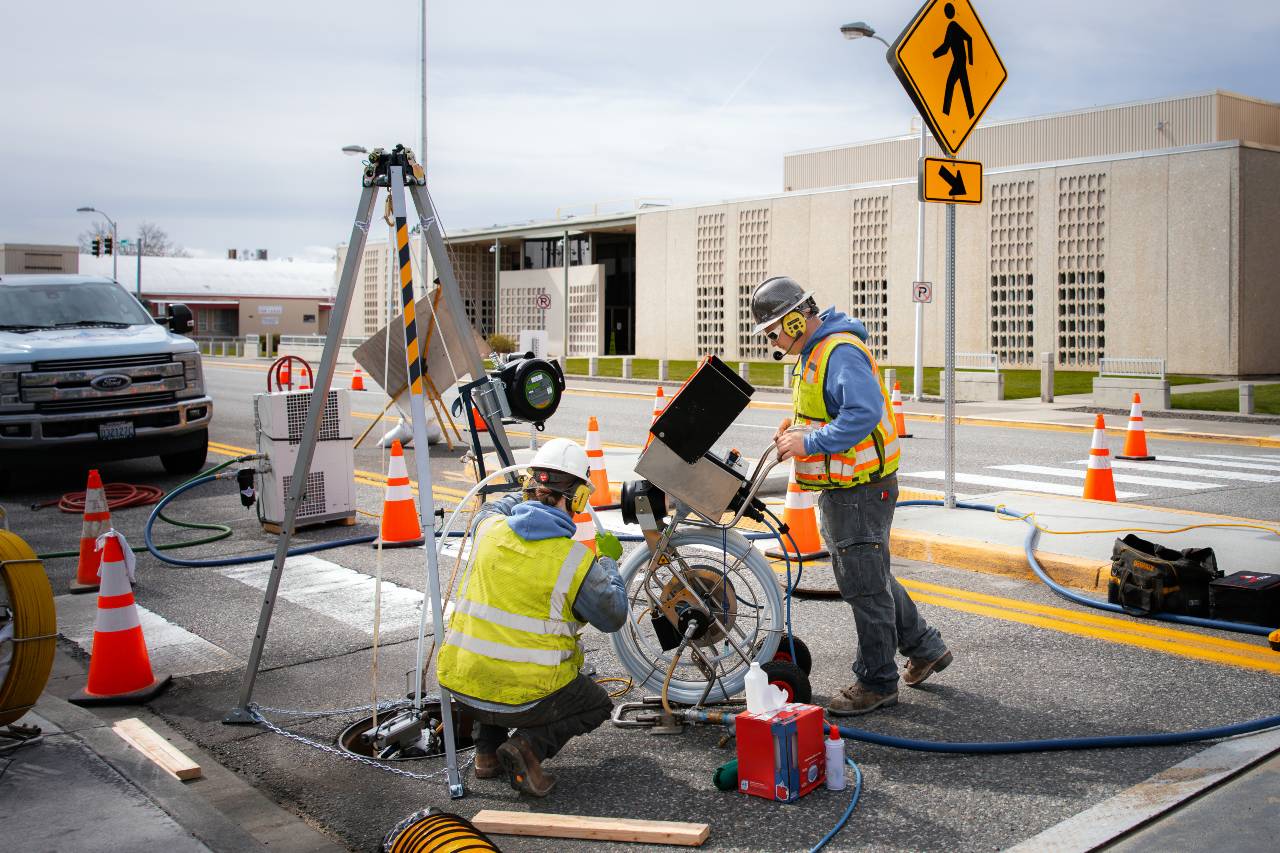
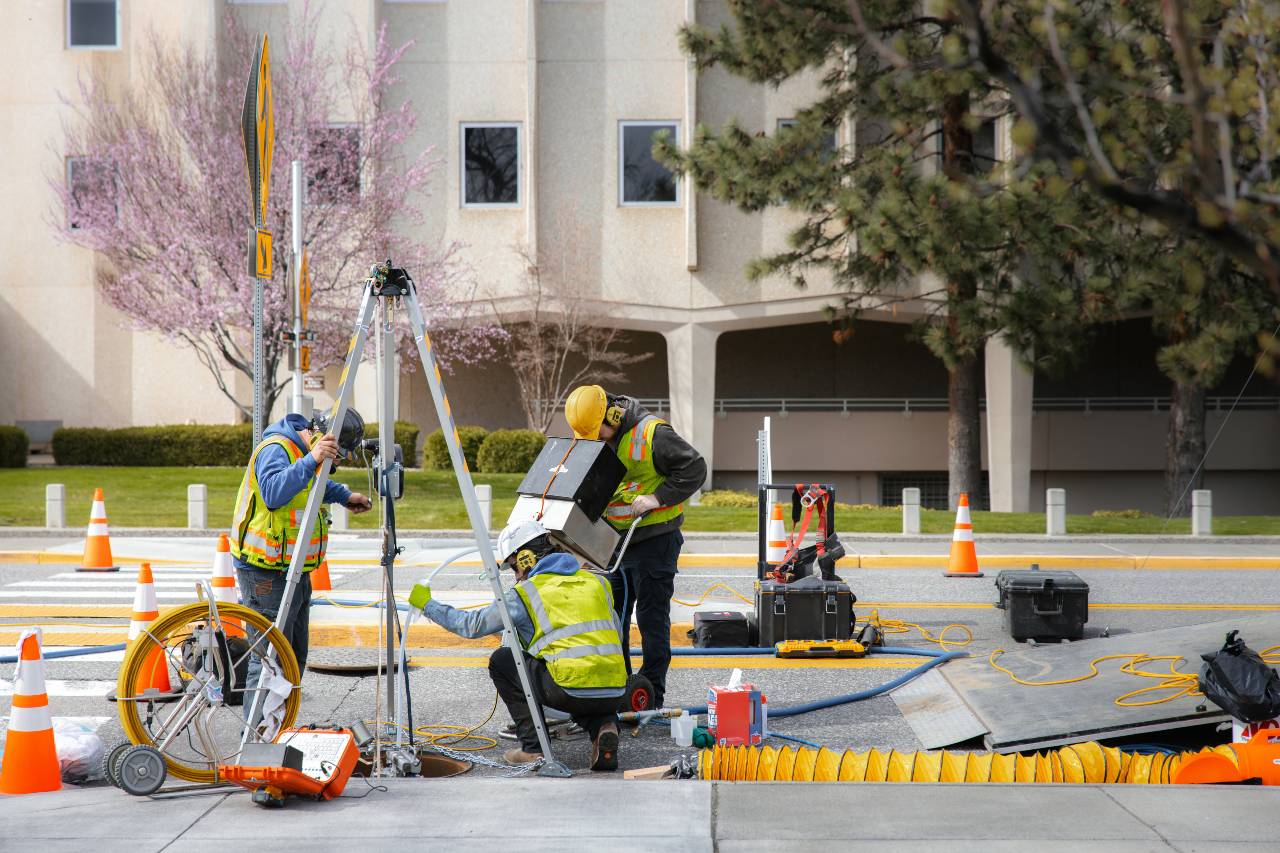
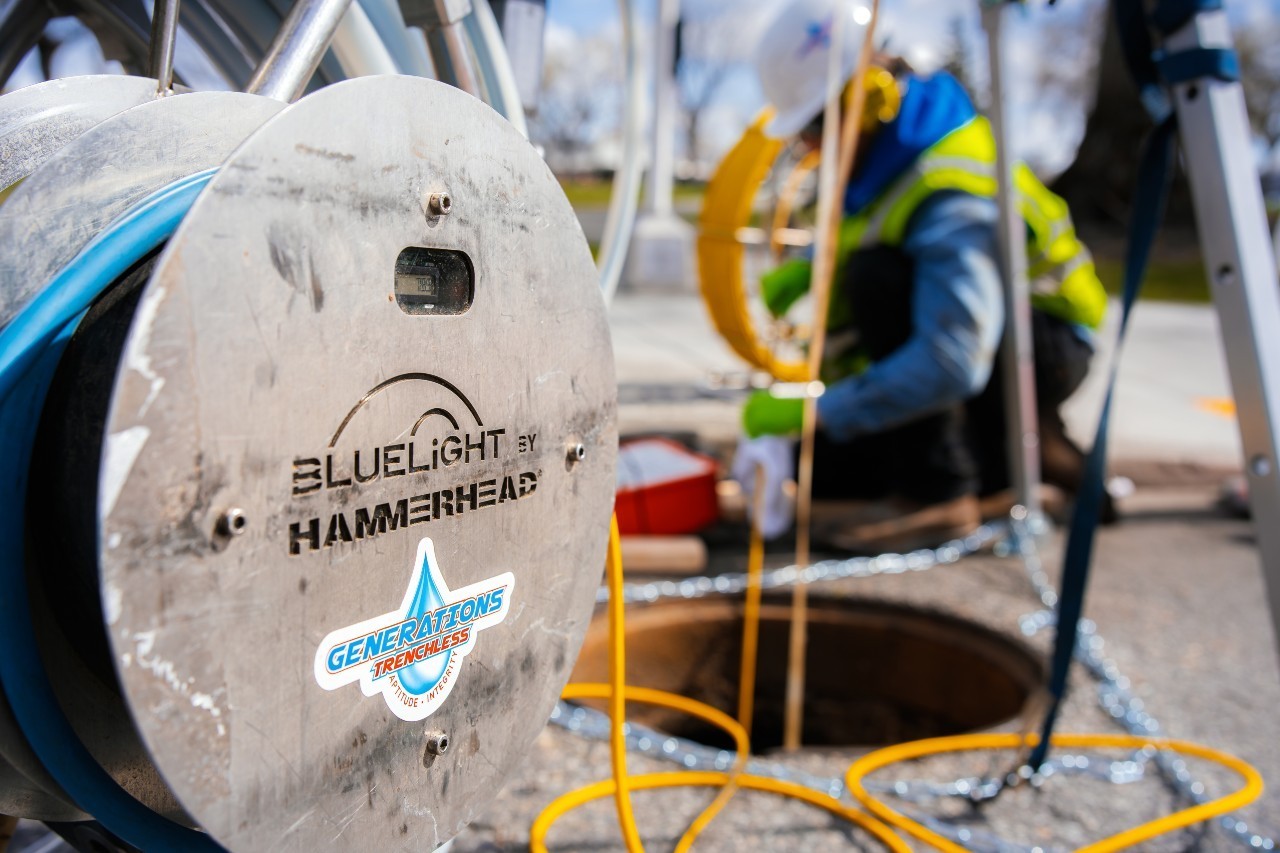
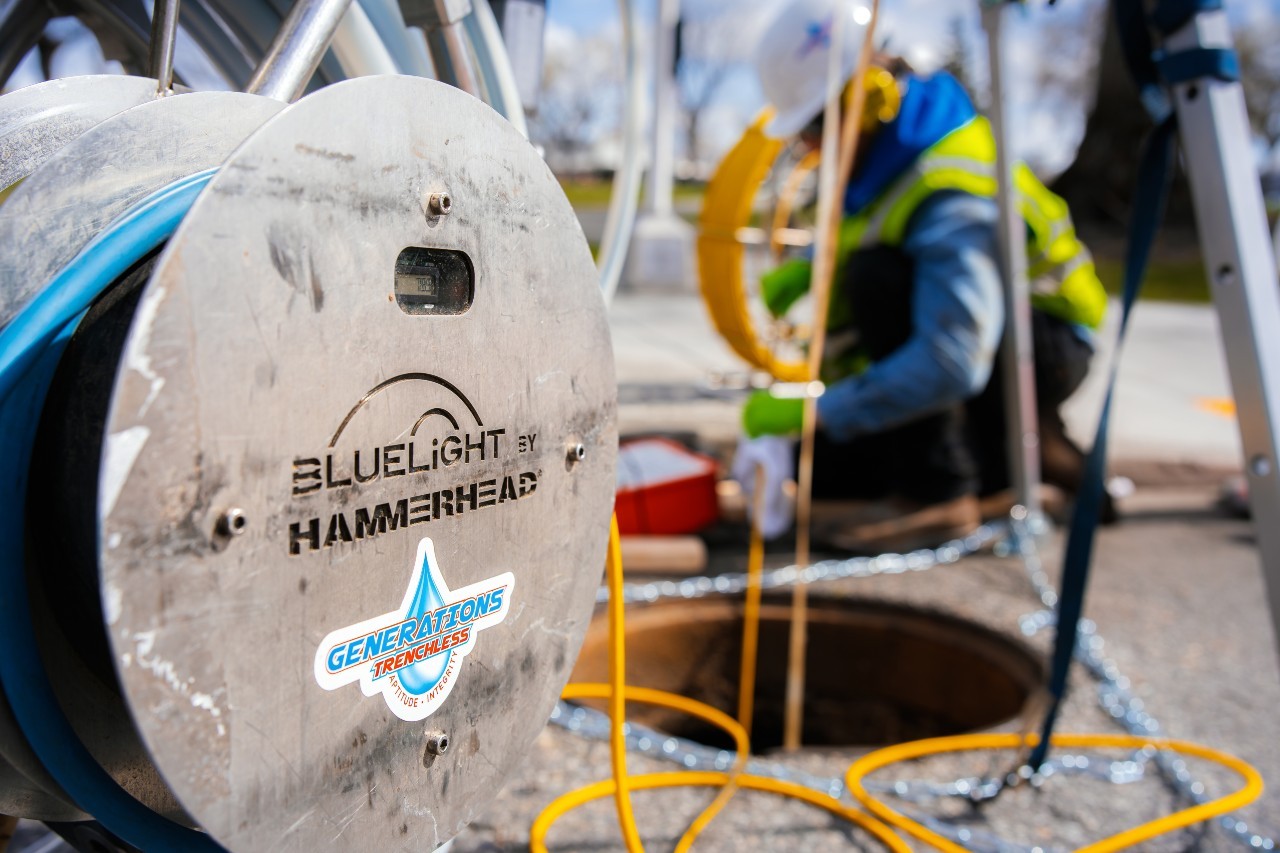
No responsible contractor recommends a repair method before running a camera through the line. The camera is not a formality. It is the only way to confirm what is actually happening inside the pipe.
A camera inspection reveals the location and extent of the collapse, the pipe material, whether root intrusion is a factor, the alignment of the pipe, and whether viable access points exist for trenchless work. Without that information, any repair recommendation is a guess, and a guess on a sewer line is an expensive mistake.
We run the camera first, every time. After the inspection, we walk you through exactly what we found, in plain language, and presents a written quote before any work begins. The free estimate in the Tri-Cities includes that diagnostic conversation. You are not getting a price on a clipboard; you are getting a full picture of what your pipe needs and why.
What Sewer Line Replacement Looks Like in Practice
When pipe bursting is the right method for a collapsed sewer line in Kennewick, Richland, or Pasco, the process is straightforward. We identify two access points at either end of the damaged section. The bursting head is fed through the existing pipe, fracturing it outward as it moves. A new pipe follows directly behind it, pulled into position as the old one is displaced. A final camera inspection confirms the new line is seated correctly and flowing clean.
Trenchless work is typically completed in a day or two. Traditional excavation for the same repair takes two to five days, and the restoration costs, replacing landscaping, concrete, or pavement, often equal the repair cost itself. When trenchless is viable, the yard between the access points stays a yard.
When excavation is necessary, we explain exactly why before work begins. The 10-year warranty applies to trenchless work. You will know what method is being used, what it costs, and what it covers before a single tool touches the ground.
Start With a Camera Assessment, Not an Assumption
The right recovery strategy for a collapsed sewer line depends entirely on what the camera finds. Pipe condition, alignment, material, and the extent of the damage all factor into which method will actually hold. Assumptions in either direction, that trenchless will definitely work, or that excavation is definitely required, are not a diagnosis.
Generations Trenchless and Plumbing gives you the full picture before any decision is made. Camera first, findings explained in plain language, written price before work begins.
Contact Generations Trenchless and Plumbing for a free collapsed sewer line repair estimate in the Tri-Cities. We will run the camera assessment, walk you through exactly what we find, and give you the full price before any work begins