Someone told you there’s a problem with your sewer line. Maybe it was a plumber, maybe it was a neighbor who just went through the same thing. Either way, you’re now looking at a decision you didn’t expect to be making, and the options sound more complicated than they should.
Here’s the short version: there are two main trenchless approaches, a repair sleeve that targets one damaged section, and full trenchless replacement that addresses the entire line. Both avoid digging a trench across your yard. Which one applies to your situation depends entirely on what a camera shows inside the pipe. Not on what sounds simpler. Not on what sounds cheaper.
What you’ll learn in this guide:
- What a sewer pipe repair sleeve is and when it works
- What full trenchless replacement covers (CIPP lining and pipe bursting)
- A side-by-side comparison of which conditions point to which method
- The honest limits of both approaches
- How Generations Trenchless and Plumbing approaches the diagnosis in the Tri-Cities
What a Sewer Pipe Repair Sleeve Is (and What It Does)

A sewer pipe repair sleeve goes by a few names: sectional liner, point repair, spot repair. The method is the same regardless of what you call it.
How a Sleeve Repair Works
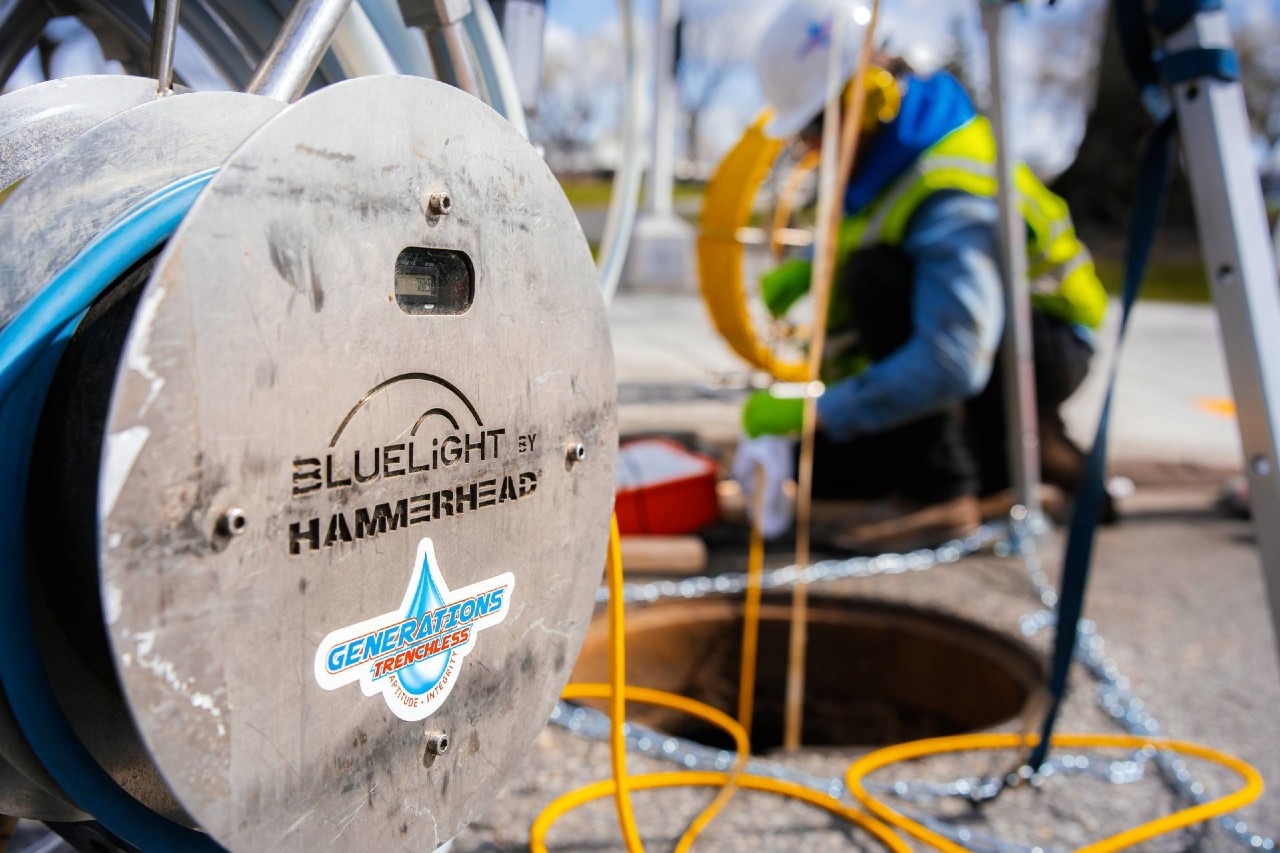
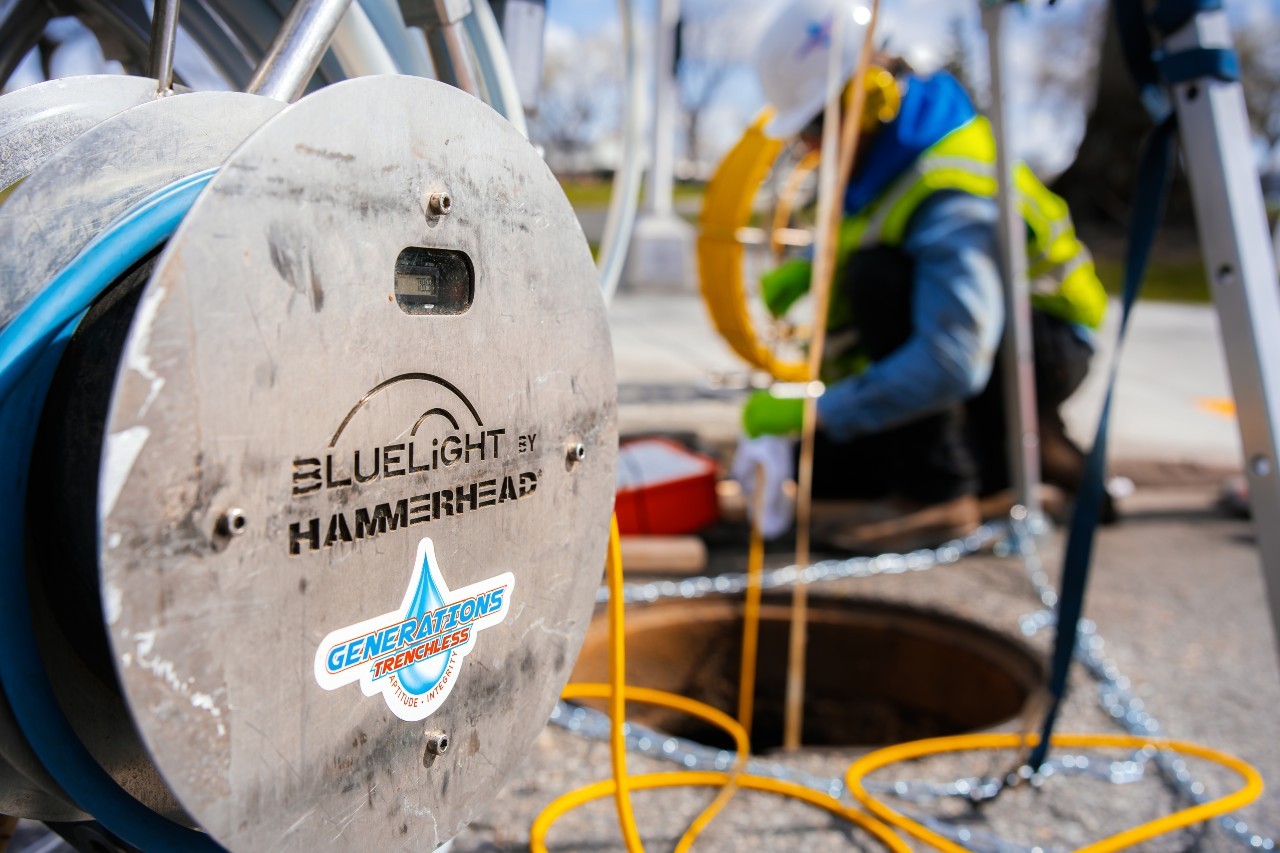
A resin-saturated liner is inserted into the pipe and positioned at the specific damaged section. It’s cured in place, hardening against the interior wall of the existing pipe and creating a new pipe surface right where the problem is. The rest of the line stays untouched.
Think of it as a patch on the inside of the pipe rather than on the outside. One bad section gets a new interior. The surrounding pipe doesn’t move, and neither does your yard.
When a Sleeve Is the Right Call
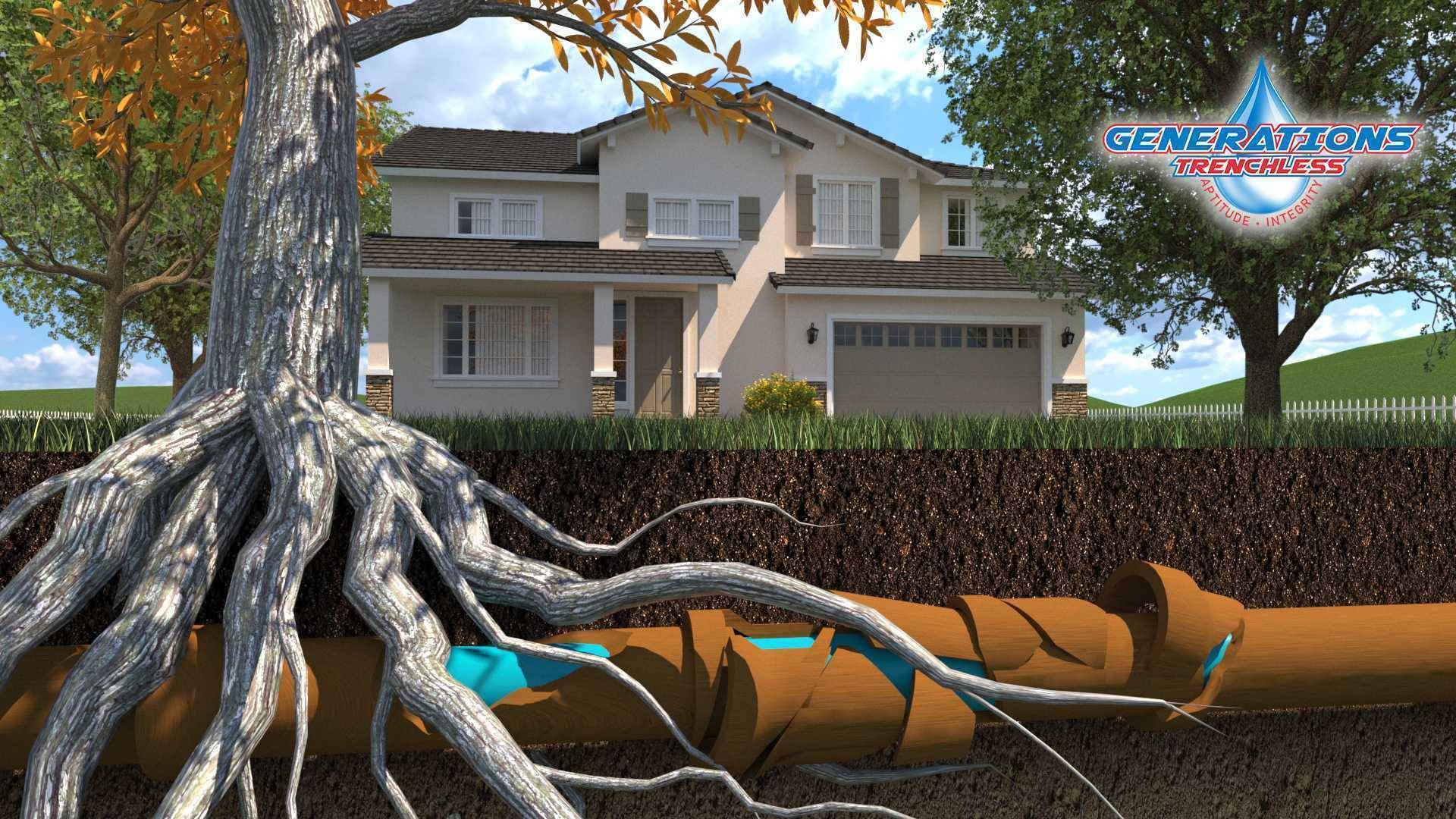
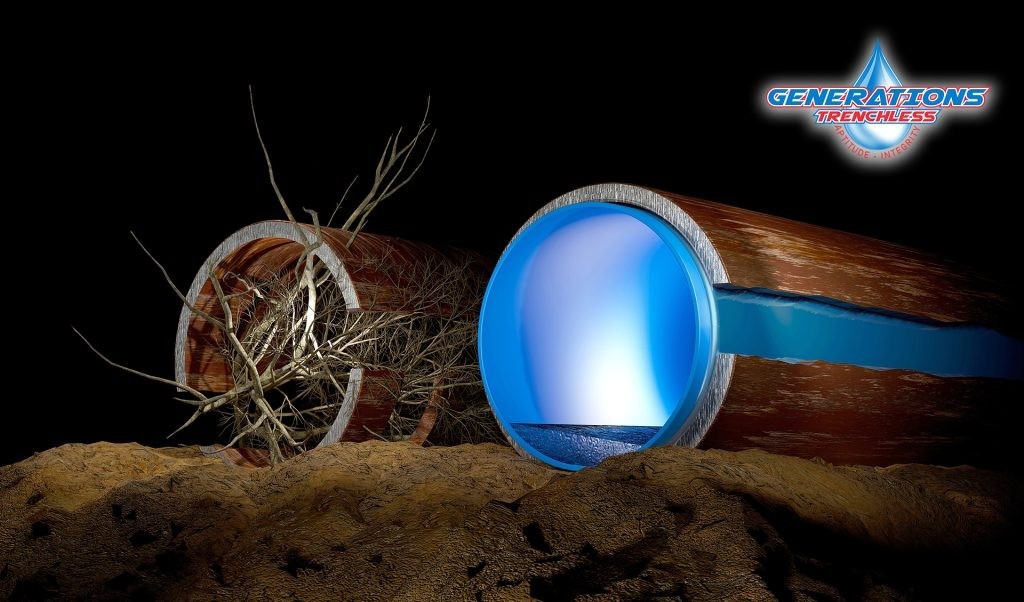
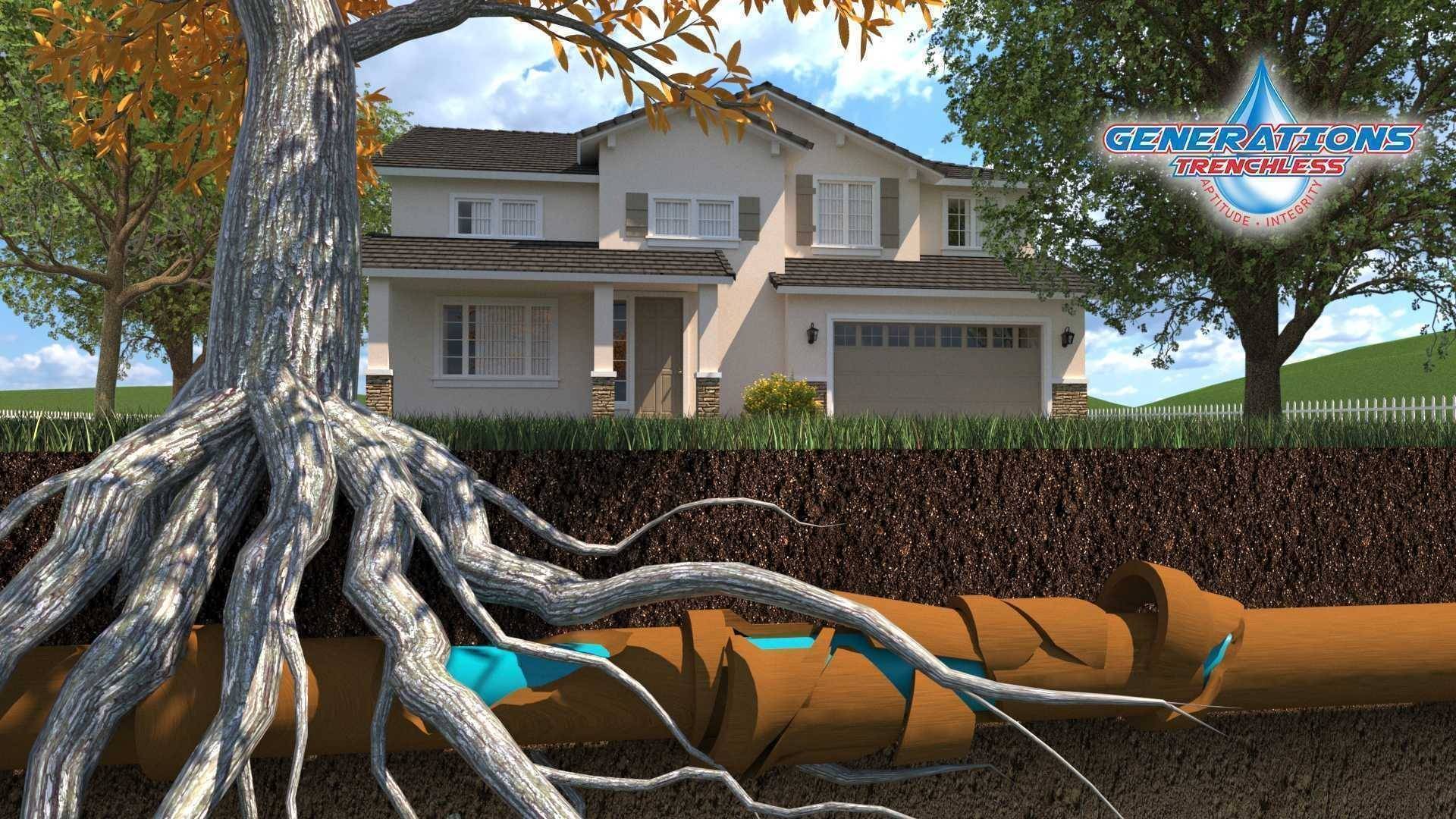
A sewer pipe repair sleeve works well for isolated damage: a single crack, a root entry point at one joint, a localized section of corrosion. If the camera shows one problem in an otherwise sound line, a sleeve addresses it directly without treating pipe that doesn’t need treatment.
The honest limit here is structural. A sleeve needs a host pipe that still holds its shape. If the pipe has collapsed or shifted significantly out of alignment, the liner has nothing to form against. It cannot be installed effectively in a pipe that has lost its round shape or its grade.
What Full Trenchless Replacement Covers
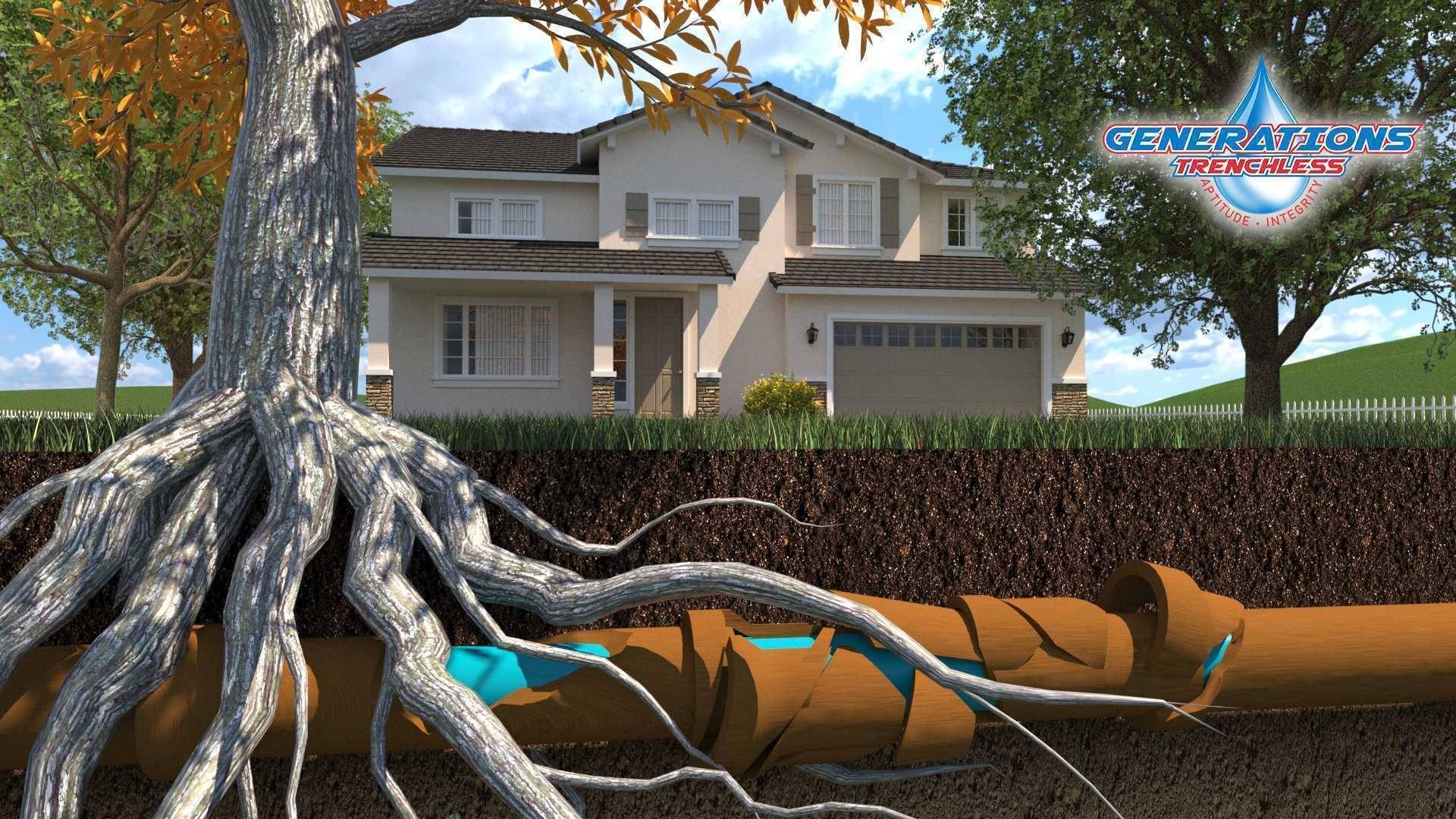
When the damage isn’t isolated to one spot, full trenchless replacement addresses the entire line between access points. Two methods handle this, and they work differently.
CIPP Full-Line Relining
Cured-in-place pipe lining runs a resin-saturated liner the full length of the pipe, from one access point to the other. The liner is cured in place, creating a new pipe inside the old one. No trench. The yard stays a yard.
CIPP full-line relining is the right call when the damage is widespread: multiple cracks, general corrosion along the run, or a line that’s structurally weakened across its length rather than at one point. The 10-year warranty Generations carries on trenchless work applies here.
Pipe Bursting
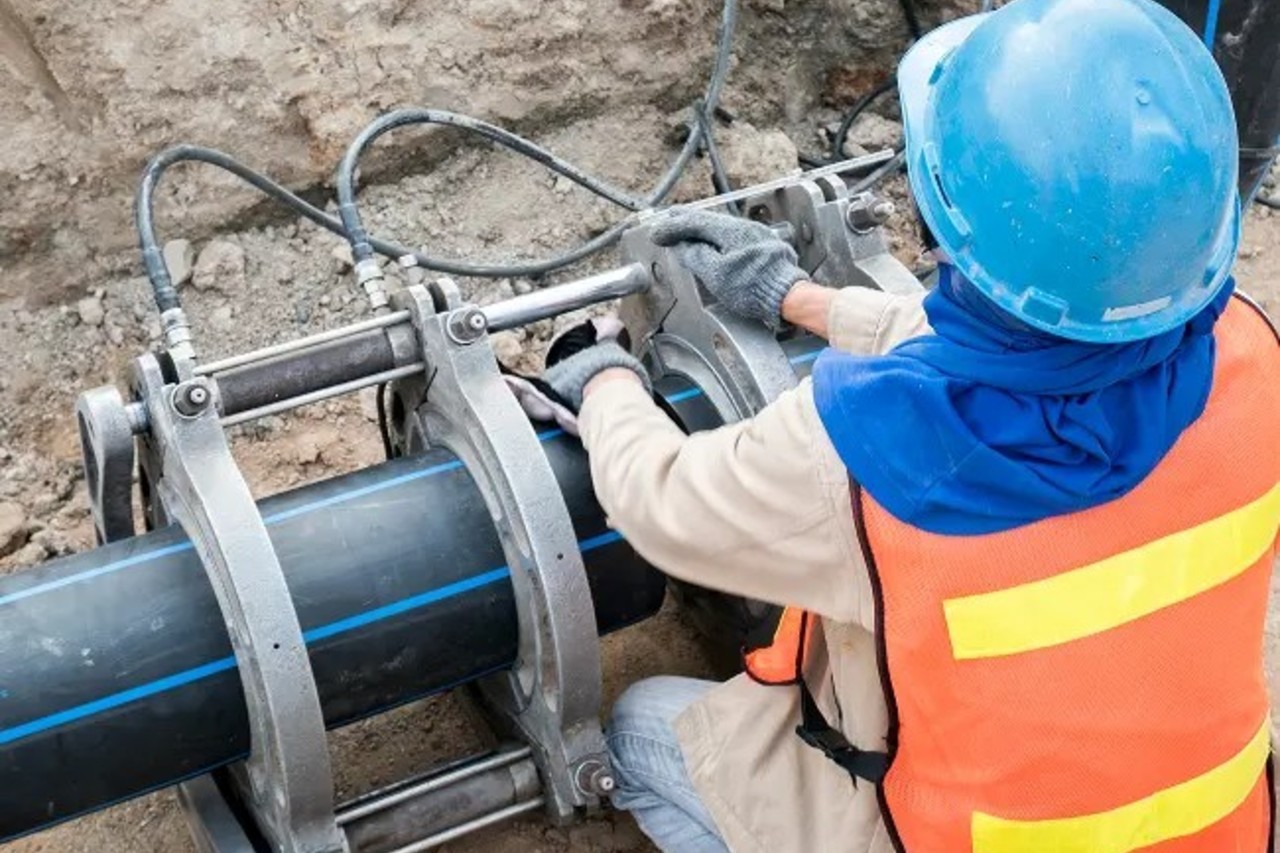
Pipe bursting takes a different approach. A conical bursting head is pulled through the existing pipe, fracturing it outward into the surrounding soil. A new HDPE pipe follows directly behind it, taking the place of the old one.
This method handles severely deteriorated pipe that can’t support a liner. It requires access from both ends and a line that’s still properly aligned. A completely collapsed section or a pipe that has shifted significantly out of grade may require traditional excavation for that portion, with trenchless handling the rest. That hybrid approach, open-cut where necessary and trenchless everywhere else, is sometimes the most honest answer.
Which Conditions Point to Which Method
The table below maps common pipe conditions to the method that typically fits. Read it as a pattern guide, not a prescription.
| Condition |
Sleeve / Point Repair |
Full Trenchless Replacement |
| Isolated crack or single root entry point |
Yes |
Not typically needed |
| Multiple cracks or widespread corrosion |
No |
Yes |
| Pipe structurally intact but leaking at one joint |
Yes |
Not typically needed |
| Collapsed or severely offset pipe |
No |
Pipe bursting or excavation |
| Pipe running under landscaping or hardscape |
Yes, if damage is isolated |
Yes, both methods avoid digging |
| Aging clay or cast-iron line with general deterioration |
No |
Yes, full-line CIPP or pipe bursting |
The table shows the pattern. The camera shows the pipe. No one can tell you which method your line needs without looking inside it first. A diagnosis based on symptoms alone, without footage, is a guess.
The Honest Limits of Both Methods

Neither a sleeve nor full trenchless replacement is the right answer for every pipe. That’s worth saying plainly.
A pipe that has collapsed completely, shifted out of grade, or developed a belly (a low sag where waste pools and sits) may require traditional excavation for that section. Trenchless technology can’t restore grade. It can’t re-align a pipe that has moved. When those conditions exist, the honest answer is that a portion of the line needs to be dug up.
That’s not a failure of the technology. It’s what a journeyman tells you after looking at the footage, because you deserve a straight answer about what your pipe actually needs, not a pitch for the most expensive option on the list.
Thomas Tharet has been in the trade for more than 15 years. Every job at Generations starts with a camera inspection, so the diagnosis comes from footage, not from a guess. The full price is on the table before any work begins. Estimates are free in the Tri-Cities. If the camera shows that a sewer pipe repair sleeve handles it, that’s what we recommend. If it shows something more, we’ll tell you that too, and explain exactly why.
Start With the Camera, Not the Repair
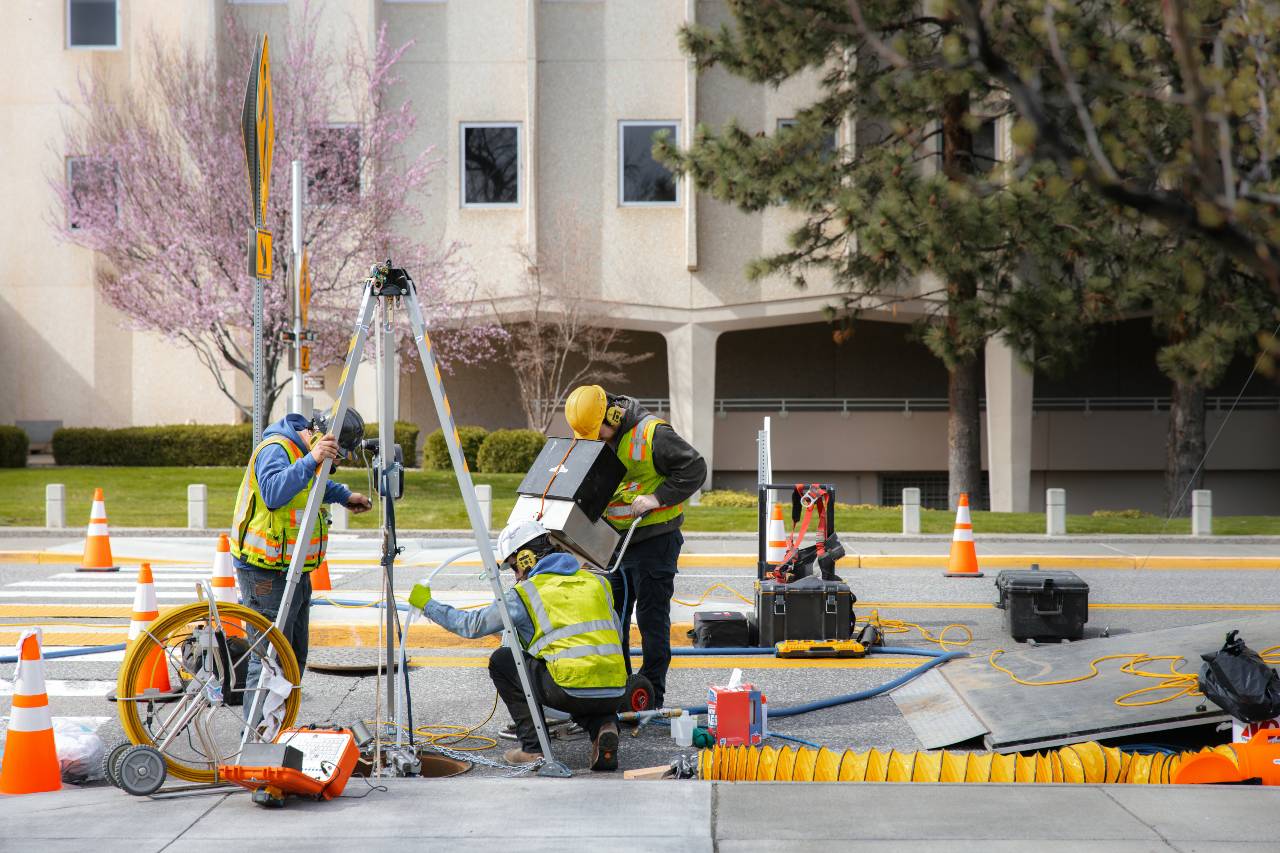
The right repair follows the right diagnosis. A camera inspection is the only way to know whether your line needs a sleeve, a full reline, pipe bursting, or something else entirely.
Generations Trenchless and Plumbing serves homeowners across Richland, Pasco, Kennewick, and the wider Eastern Washington region. Thomas and the crew bring more than 15 years of journeyman-level experience to every inspection, and the full price is always on the table before work starts.
Schedule your free camera inspection and estimate in the Tri-Cities today. Call (509) 416-6755 or visit our website to get started. No commitment to a repair method, just a clear picture of what your line actually needs.