The toilet gurgles when you run the kitchen sink. Two drains are slow at the same time. There is a smell coming from the basement you cannot quite place. You grab something from under the sink, pour it down the drain, and wait.
It helps for a day. Then the gurgling is back.
When multiple fixtures are acting up at once, the problem is usually not in the individual drains. It is in the main line. And that is a different situation entirely, one where the tool matters as much as the diagnosis.
In this post, you’ll learn:
- What the main sewer line is and why a problem there affects your whole house
- The two professional tools used for main line drain cleaning and when each applies
- Why a camera inspection comes before any cleaning
- How to tell when cleaning is enough and when the pipe needs something more
What the Main Line Is and Why It Matters
Every drain in your house, the kitchen sink, the showers, the toilets, feeds into one pipe that carries everything out to the municipal sewer or your septic system. That pipe is the main sewer line.
A clog or buildup in that single pipe affects every fixture above it. That is why slow drains in multiple rooms at once, or a toilet that gurgles when the washing machine drains, point to the main line rather than an individual fixture.
Older homes in Richland, Pasco, and Kennewick often have clay or cast-iron main lines that have been in the ground for decades. Those materials do the job, but they accumulate grease, scale, and tree root intrusion over time. The soil in the Tri-Cities shifts with temperature and moisture, and that movement can work on older pipe joints year after year.
The Two Professional Tools for Main Line Drain Cleaning
A hardware store drain cleaner works on the surface of a clog in a single fixture. Professional main line drain cleaning uses equipment built for the full pipe, and there are two primary methods.
Mechanical snaking, also called drain augering, sends a rotating steel cable through the line to break through or retrieve a blockage. It is effective for soft clogs and isolated obstructions. It clears the path. It does not clean the pipe walls, so grease and scale that coat the interior stay behind.
Hydro jetting forces high-pressure water through the line to scour the interior walls from the inside out. It removes grease, scale, mineral buildup, and debris that a snake leaves behind. For recurring clogs or significant buildup, it is the more thorough option.
The right tool depends on what is actually in the pipe. That is why the camera goes in first.
Why Camera Inspection Comes Before Any Cleaning

A sewer camera inspection shows exactly what is causing the problem: grease coating the walls, roots that have worked through a joint, scale buildup, or something structural like a crack or a belly in the line.
That last category matters. Forcing high-pressure water through a pipe that is already cracked or compromised can make things worse. A camera inspection confirms the pipe can handle the method safely before anything goes in.
This is how a journeyman approaches the job. Thomas has spent more than 15 years in the trade, and the camera is not an upsell. It is how the right call gets made.
When Cleaning Is Enough and When It Is Not
Sewer drain cleaning handles grease and soap buildup, minor root intrusion, debris accumulation, and slow drains with no structural cause. For most of those situations, a professional cleaning resolves the problem.
The signal that cleaning is not enough: the clog comes back within a few weeks of a professional service. Recurring clogs on a short cycle usually mean the pipe has a structural issue, a crack, a belly, a collapsed section, that cleaning cannot fix. At that point, the pipe needs repair, not another cleaning.
Trenchless repair, including cipp sewer lining or pipe bursting, addresses structural failures that cleaning cannot reach. A camera inspection is what tells you which situation you are actually in.
What to Expect from a Professional Main Line Cleaning
The process is straightforward. A camera goes through the line first to diagnose what is there. Based on what the camera shows, the right cleaning method gets selected. The cleaning is performed, and a second camera pass confirms the line is clear. Most cleanings complete in a few hours. No excavation is required for the cleaning itself.
At Generations, you get the full price before any work begins. Estimates are free in the Tri-Cities.
Ready to Know What Is Actually in Your Line?
Another bottle of store-bought cleaner is not going to tell you whether your main line has a grease problem or a structural one. A camera will.
Call Generations Trenchless and Plumbing for a free estimate in the Tri-Cities. A camera inspection will show exactly what is in your main line and give you the full price before any work begins. Reach us at (509) 416-6755.
A plumber looks up from his camera screen and says, “Your pipe needs to be lined.” You nod. You have no idea what that means.
What you do know is what you are afraid of: a trench cutting through the yard you spent years on, a crew here for a week, and a bill that grows every time someone finds something new. Those fears are real. They are also exactly what cured-in-place pipe lining was designed to prevent.
Here is what CIPP actually is, how the process works, and how to know whether your home is a candidate.
In this post, you’ll learn:
- What cured-in-place pipe lining is, in plain terms
- How the repair process works from start to finish
- When CIPP is the right call and when it is not
- What the repair actually costs and what to expect from a Generations estimate
What Cured-in-Place Pipe Lining Actually Is
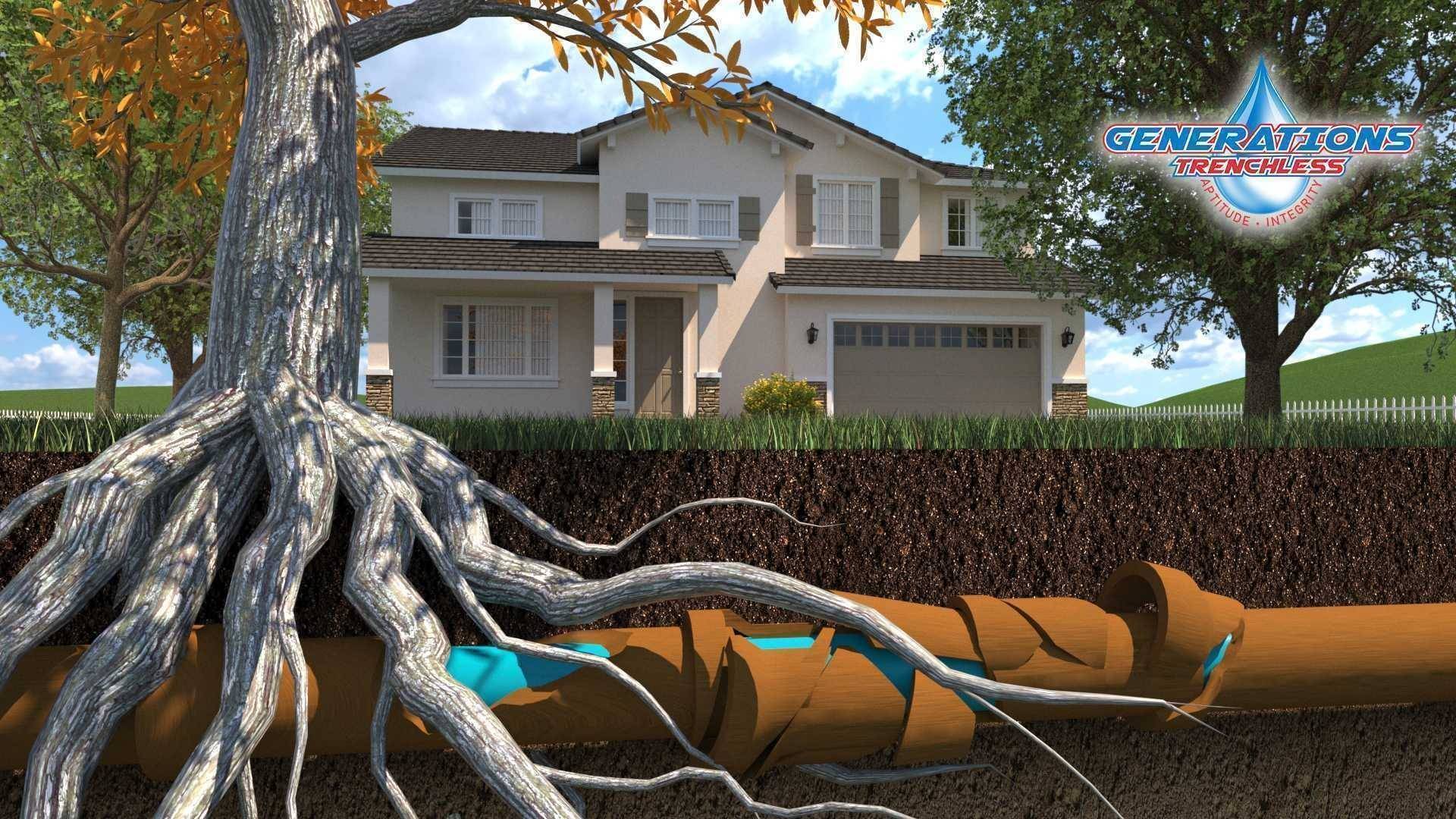
The short version: a new pipe is cured inside your old one, and no trench is required.
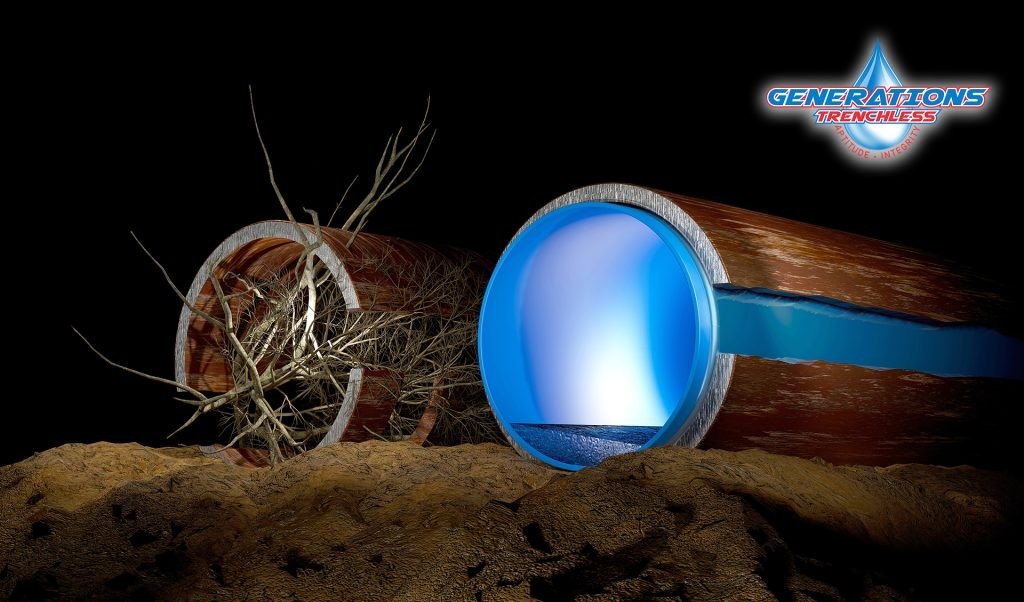
Here is how it works. A flexible liner, soaked in liquid resin, gets fed into your existing pipe through an access point that is already there. No digging to get it in. Once the liner is in position, air pressure or hot water expands it outward, pressing it firmly against the interior walls of the damaged pipe. The resin then hardens. What you are left with is a smooth, jointless surface bonded to the inside of the original pipe. The old pipe becomes the shell. The new liner does the work.
The result holds up. Generations backs its trenchless pipe repair work with a 10-year warranty.
How the Process Works, Step by Step
Every CIPP job at Generations starts the same way: a camera goes in first.
Thomas runs a video inspection through the line to confirm the pipe is a real candidate for lining. The pipe needs to hold its shape. If it is cracked, corroded, or leaking but still structurally intact, CIPP is likely the right call. If it has collapsed or shifted significantly out of alignment, a different approach applies.
Once the line is confirmed, the crew cleans and flushes it to prep the surface. Then the liner goes in, gets expanded, and the resin cures. A second camera pass at the end confirms the repair is solid before anyone packs up.
Most jobs are completed in a day. Your yard is untouched from start to finish.
When CIPP Is the Right Call
No-dig sewer repair is a strong fit for pipes that have cracks, corrosion, root intrusion, or slow leaks but still hold their basic shape. It is particularly well-suited to Tri-Cities homes, where clay soil shifts with temperature and moisture, and where older lines in Richland, Pasco, and Kennewick have been working hard for decades. If your home has mature trees, an established garden, a driveway over the line, or simply not much room to dig, CIPP protects all of it.
It is not the right tool for every situation. A pipe that has fully collapsed or moved significantly out of alignment may need pipe bursting or traditional excavation instead. That is exactly why the camera inspection comes first. The method follows the diagnosis, not the other way around.
Why It Matters Beyond Your Yard
The yard staying intact is the most visible benefit of sewer lining in the Tri-Cities, but it is not the only one. No trench means no landscaping restoration: no trees removed, no pavers lifted, no reseeding. Those restoration costs on a traditional excavation often equal the repair itself.
Trenchless pipe repair typically runs between $1,900 and $6,000 per project. Traditional excavation for a sewer line can take three to five days, and the restoration work adds time and cost on top of that. When you factor in what you are not paying to fix afterward, the numbers often favor the no-dig approach.
At Generations, you get the full price before any work begins. The estimate is free in the Tri-Cities.
How Generations Approaches the Diagnosis

A journeyman plumber runs every inspection and repair. Thomas has spent more than 15 years in the trade, including jobs where a previous company made a call without a camera and the repair did not hold. CIPP works when the pipe is properly assessed first. That assessment is not optional here; it is the foundation of every recommendation we make.
Ready to Know What Your Line Actually Needs?
You came here with a question. Now you have a real answer: CIPP sewer lining is a new pipe cured inside the old one, no trench required, and most jobs are done in a day.
If your home is in Richland, Pasco, Kennewick, or the surrounding Tri-Cities area, call Generations Trenchless and Plumbing for a free estimate. A camera inspection will show exactly what your line needs and give you the full price before any work begins. Reach us at (509) 416-6755.

A water line fails on a Tuesday morning. By noon, the restaurant two doors down has no service, the parking lot is cordoned off, and a crew is breaking concrete. The repair itself takes three days. The restoration takes two more. The lost revenue, the tenant complaints, and the resurfacing bill were never in the budget.
That scenario plays out on commercial properties across Kennewick, Pasco, Richland, and West Richland more often than it should. The repair cost is one line item. The disruption cost is several others. For commercial properties, the method used to fix the pipe matters as much as the fix itself.
In this post, you’ll learn:
- Why traditional excavation carries compounding costs in a commercial setting
- What trenchless repair options exist and when each one applies
- How to know which method is right for your property
- What proactive maintenance looks like and why it pays
Why Traditional Excavation Hits Commercial Properties Hard

Traditional water line repair takes 2 to 5 days from first dig to finished work. On a residential property, that is disruptive. On a commercial property, it is a business problem.
Restoration costs for parking lots, paved surfaces, and landscaping often equal the repair cost itself. Add tenant disruption, restricted customer access, and the coordination required with adjacent businesses or municipal permitting, and the total impact climbs well past the invoice. Some excavation projects require traffic control measures or notifications to neighboring tenants before work can begin.
The repair method is a business decision, not just a plumbing one.
What Trenchless Repair Offers Commercial Properties
Trenchless methods work from small access points at either end of the damaged section. Everything between those points stays in the ground, undisturbed.
No parking lot sections come up. No pavers get pulled. No landscaping gets removed and replanted. Most trenchless commercial water line repairs complete in hours to one day, which means businesses can often stay open or limit their closure window to a single morning.
Two methods cover the majority of commercial water line situations.
CIPP lining (cured-in-place pipe lining) is the right fit when the pipe has cracks, corrosion, or leaks but remains structurally intact. A liner is inserted into the existing pipe, pressed against the interior walls, and cured until it hardens into a new, smooth surface inside the old one. No trench, no excavation.
Pipe bursting applies when the damage is more severe but the pipe’s alignment is still good. A bursting head fractures the old pipe outward while pulling a new one through in a single pass. The surface stays intact.
When restoration costs are factored in, trenchless commercial water line repair typically delivers the same outcome at lower total cost than traditional excavation.
When Trenchless Is and Is Not the Right Call

Trenchless repair is appropriate when the pipe is damaged but not fully collapsed and its alignment is intact. A pipe that has collapsed entirely or shifted significantly out of alignment may require traditional excavation. There is no responsible way to determine which situation you have without a camera inspection first.
That inspection is not a formality. It is the step that prevents you from committing budget to the wrong solution. A journeyman plumber runs the camera, reads what it shows, and builds the repair recommendation from that diagnosis. If trenchless is not the right answer for your line, you will hear that plainly, with the reasoning behind it.
Proactive Maintenance Reduces Emergency Risk
The commercial properties that manage infrastructure costs best are the ones that schedule assessments before something fails. Video camera inspections, hydro jetting, and routine line evaluations identify developing problems while they are still manageable.
A proactive inspection costs a fraction of an emergency repair. It also costs a fraction of the downtime that comes with one. Commercial properties in the Tri-Cities with older infrastructure, particularly those built on aging clay or cast-iron lines, benefit most from putting assessments on the calendar rather than waiting for symptoms.
What Commercial Clients Should Expect on Paper
A commercial repair decision involves more than a handshake. Here is what Generations Trenchless and Plumbing provides on every commercial job:
- Full written quote before any work begins, no exceptions
- Scope of work documentation
- Before-and-after camera footage
- 10-year warranty on trenchless repairs, covering materials and workmanship
The quote drives the work. The camera footage documents the condition of the line before and after. The warranty is in writing.
Schedule a Free Camera Inspection for Your Property
Contact Generations Trenchless and Plumbing for a free camera inspection and estimate on your commercial property. We serve Kennewick, Pasco, Richland, and West Richland, and we can often complete no-dig pipe repair with minimal disruption to your tenants and operations. You’ll have the full price before any work begins. Call us at (509) 416-6755.
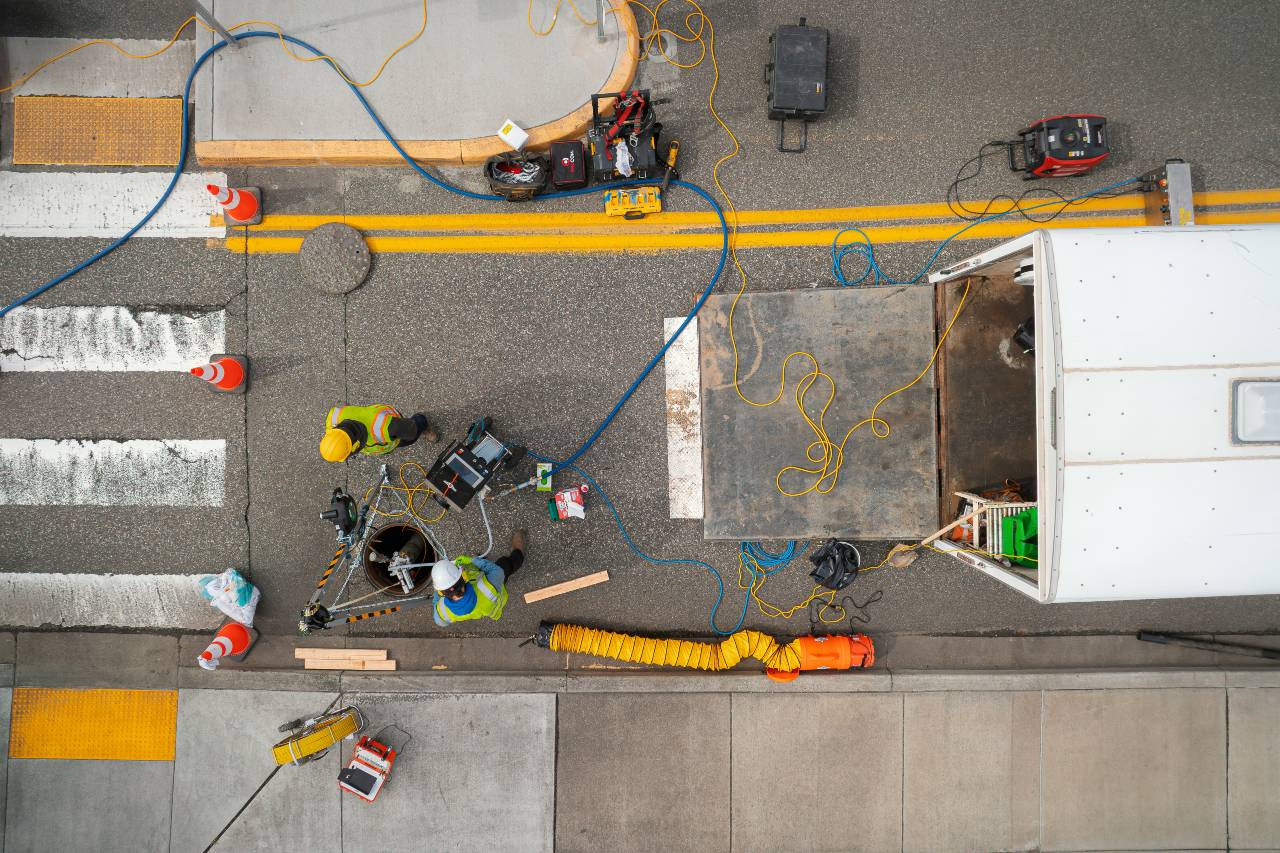
You flush the toilet and water backs up into the shower. The kitchen drain is gurgling. There is a smell coming up from the basement floor drain that was not there yesterday. Something is wrong with the main line, and you know it.
That situation is stressful, and it is also solvable. The most important thing to understand right now is that a main sewer line problem does not automatically mean a torn-up yard and a week of chaos. What it does mean is that the clock matters. Acting sooner keeps more options on the table, including the ones that protect your lawn, your driveway, and your budget.
In this post, you’ll learn:
- Which symptoms point to a main line emergency versus a simple clog
- Why waiting tends to make the problem more expensive
- What trenchless repair options are available and what each one does
- Exactly what to do right now if you are seeing these signs
Warning Signs That Mean Act Now

A single slow drain is usually a localized clog. When multiple drains fail at the same time, that points to the main line. Here are the signs that call for a professional inspection, not a bottle of drain cleaner:
- Multiple drains backing up simultaneously, kitchen, bathroom, and laundry
- Sewage odors inside the home or rising from yard drains
- Gurgling sounds from the toilet when you run the sink or washing machine
- Sewage visible in the cleanout or backing up into the tub or shower
- Soggy or sunken patches in the yard with no rain to explain them
Older homes in Kennewick, Pasco, and Richland are particularly vulnerable. Clay and cast-iron lines that have been in the ground for decades can crack, corrode, or shift without much warning. When they do, the symptoms above tend to appear quickly.
Why Waiting Costs More
A partial blockage or a crack in the line is a manageable problem. Left alone, it becomes a full collapse, and a collapsed pipe changes everything.
When sewage sits in contact with soil and foundation, it creates both a health risk and a structural one. The longer it goes, the deeper that risk runs. A crack that could have been repaired from the inside becomes a section of pipe that has to come out entirely, which means excavation, restoration, and a significantly larger bill.
The practical point is this: acting early keeps trenchless options available. Waiting can eliminate them.
What Trenchless Repair Offers in an Emergency
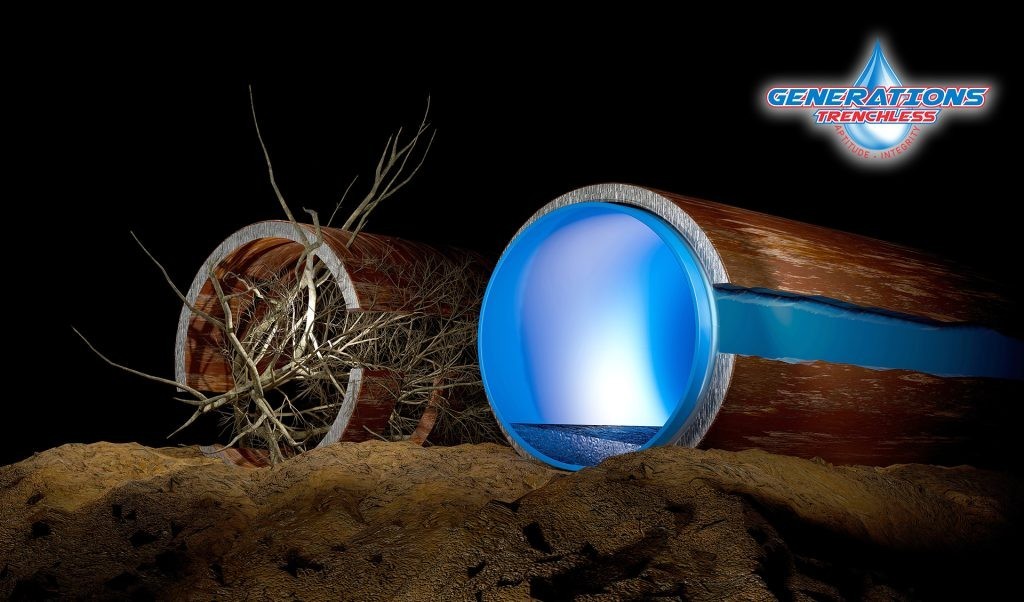
Trenchless methods work from small access points at either end of the damaged section. The ground between those points stays untouched.
CIPP lining (cured-in-place pipe lining) is the right fit when the pipe has cracks, corrosion, or leaks but is still structurally intact. A flexible liner is inserted into the existing pipe, pressed against the walls, and cured with heat or air until it hardens into a smooth, jointless surface. The result is a new pipe formed inside the old one, with no trench required.
Pipe bursting is used when the damage is more severe but the pipe’s alignment is still good. A bursting head fractures the old pipe outward while simultaneously pulling a new one through. Again, no trench.
Both methods typically complete in a day or two. Traditional excavation, by comparison, takes 2 to 5 days, and the restoration costs for landscaping, concrete, and surface repair often equal the repair cost itself.
The Camera Comes First
No responsible repair decision happens without a camera inspection. That is not a formality. It is how you find out whether the pipe is a candidate for trenchless repair or whether it has collapsed and requires a different approach entirely.
Our journeyman plumber runs a camera through the line, reads what it shows, and builds the quote from that diagnosis. You get the full price before any work begins. That is how it works every time.
What to Do Right Now
If sewage is backing up into your home, stop running water. Do not use chemical drain treatments on a suspected main line failure; they will not reach the problem and can complicate the inspection.
Call for a camera inspection and a free estimate. Generations Trenchless and Plumbing serves Kennewick, Pasco, Richland, and West Richland, and we can often be there same day or next day.
Get a Free Estimate Before Any Work Begins
A free camera inspection and estimate is the right first step for emergency sewer line repair in the Tri-Cities. You will know exactly what is wrong, exactly what it costs, and whether trenchless repair is the right solution for your line. Our trenchless work carries a 10-year warranty. Call us at (509) 416-6755.
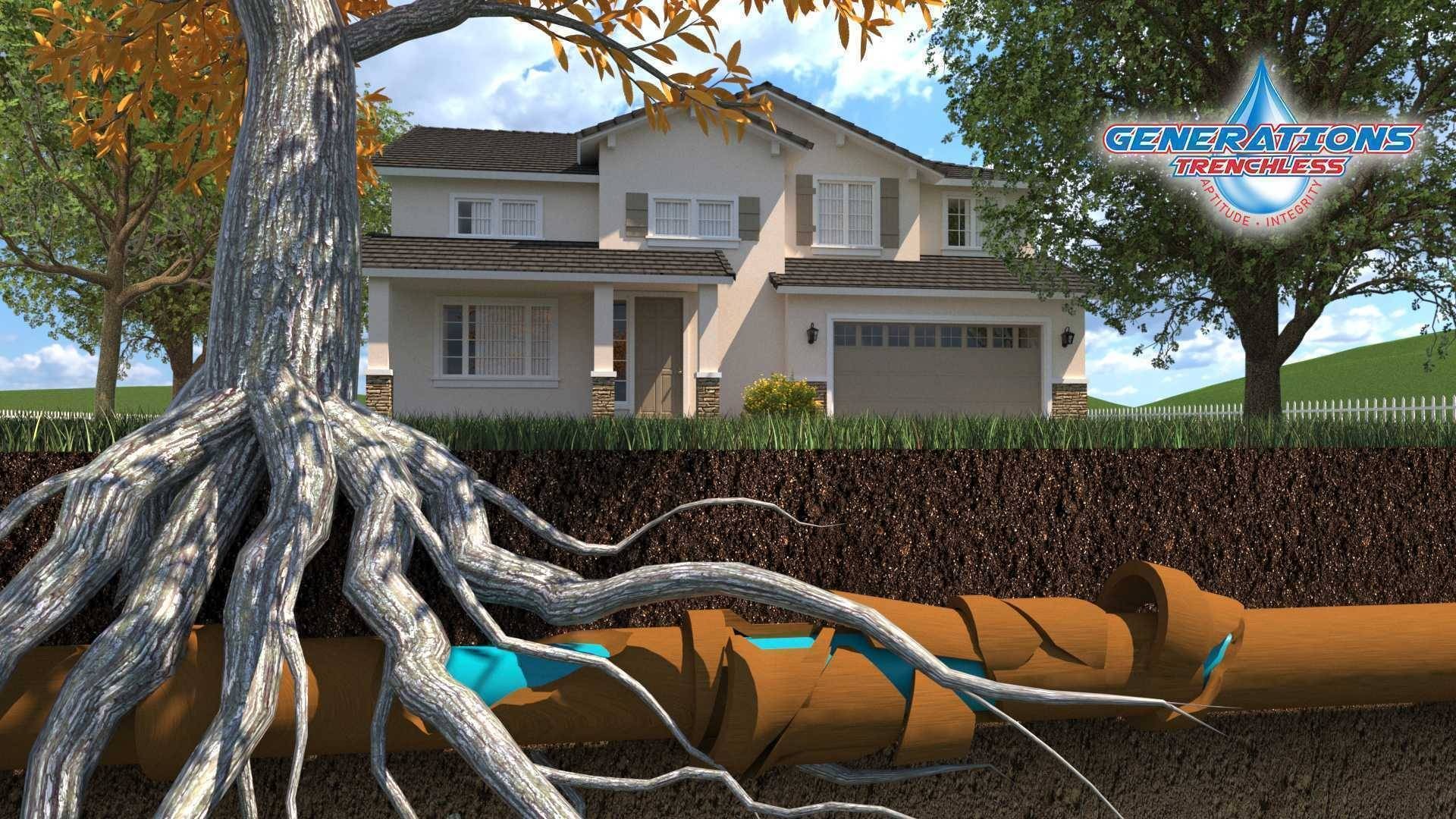
Every drain in the house backs up at once. Or you notice a soft, soggy patch in the yard that was not there last week. You call a plumber, and somewhere in the conversation you hear the words “collapsed sewer line.” The mental image that follows, a crew tearing up your yard for days, is understandable. It is also not always accurate.
“Collapsed” covers a wide range of conditions, from a pipe that has partially caved inward but still moves waste slowly, to one that is fully crushed and completely blocked. The severity matters enormously, because it determines which repair method is actually appropriate. Some collapsed lines are strong candidates for trenchless repair. Others require excavation. The only way to know which situation you are in is a camera inspection.
By the end of this article, you will understand what a collapsed sewer line actually means, which trenchless recovery strategies apply and when they do not, and why the diagnosis has to come before any recommendation.
In this post, you’ll learn:
- What “collapsed” means and how severity affects your options
- The common causes of sewer line collapse in Tri-Cities homes
- When trenchless sewer repair in Richland and across the Tri-Cities is viable, and when it is not
- What a camera inspection reveals and why it is the necessary first step
- What the repair process looks like from assessment through completion
What “Collapsed” Actually Means
A collapsed sewer line is not a single condition. It is a spectrum.
On one end, a partial collapse means the pipe has caved inward at one point but waste can still move through, slowly and with difficulty. On the other end, a full collapse means the pipe is crushed or blocked entirely, and nothing is moving. The repair path for each is different, which is why the word “collapsed” on its own does not tell you much.
Several conditions get grouped under the same label and are worth distinguishing. A bellied pipe has sagged in the middle, creating a low point where waste pools. A cracked or separated pipe has broken at a joint or along its length. A collapsed pipe has lost its round shape and partially or fully closed off. Each has different repair implications, and a camera is the only tool that tells you which one you are actually dealing with.
In the Tri-Cities, the most common causes of sewer line collapse in older homes are clay soil conditions and the way that soil shifts with Eastern Washington’s freeze-thaw cycles, root intrusion from mature trees working into joints over decades, and the age of the pipe itself. Clay and cast-iron lines installed in homes built before the 1980s were not designed to last indefinitely. They have often been working without inspection for forty or fifty years by the time a problem surfaces.
Trenchless Recovery: When It Works and When It Does Not
Two trenchless methods apply to collapsed or severely damaged sewer lines, and they are not interchangeable.
Pipe bursting is the primary trenchless option for a collapsed or heavily damaged line. A bursting head is fed through the existing pipe, fracturing it outward while simultaneously pulling a new pipe into place behind it. The ground between the two access points stays untouched. Pipe bursting works when the pipe retains enough alignment to thread the bursting head through. If the pipe has shifted significantly off its original path, that access may not be possible.
CIPP lining (cured-in-place pipe lining) works differently. A resin-saturated liner is inserted into the existing pipe and cured in place, creating a new pipe inside the old one. It is well-suited for pipes that are cracked, corroded, or leaking but still structurally sound enough to hold their shape. A fully collapsed or misaligned pipe cannot accept a liner, so CIPP is not the right tool for every collapsed line situation.
When neither trenchless method is viable, traditional excavation is the honest answer. A contractor who tells you that plainly, before taking your money, is worth more than one who sells you a trenchless repair that fails because the pipe could not support it. Integrity means recommending the right fix, not the most profitable one.
Why the Camera Inspection Comes First
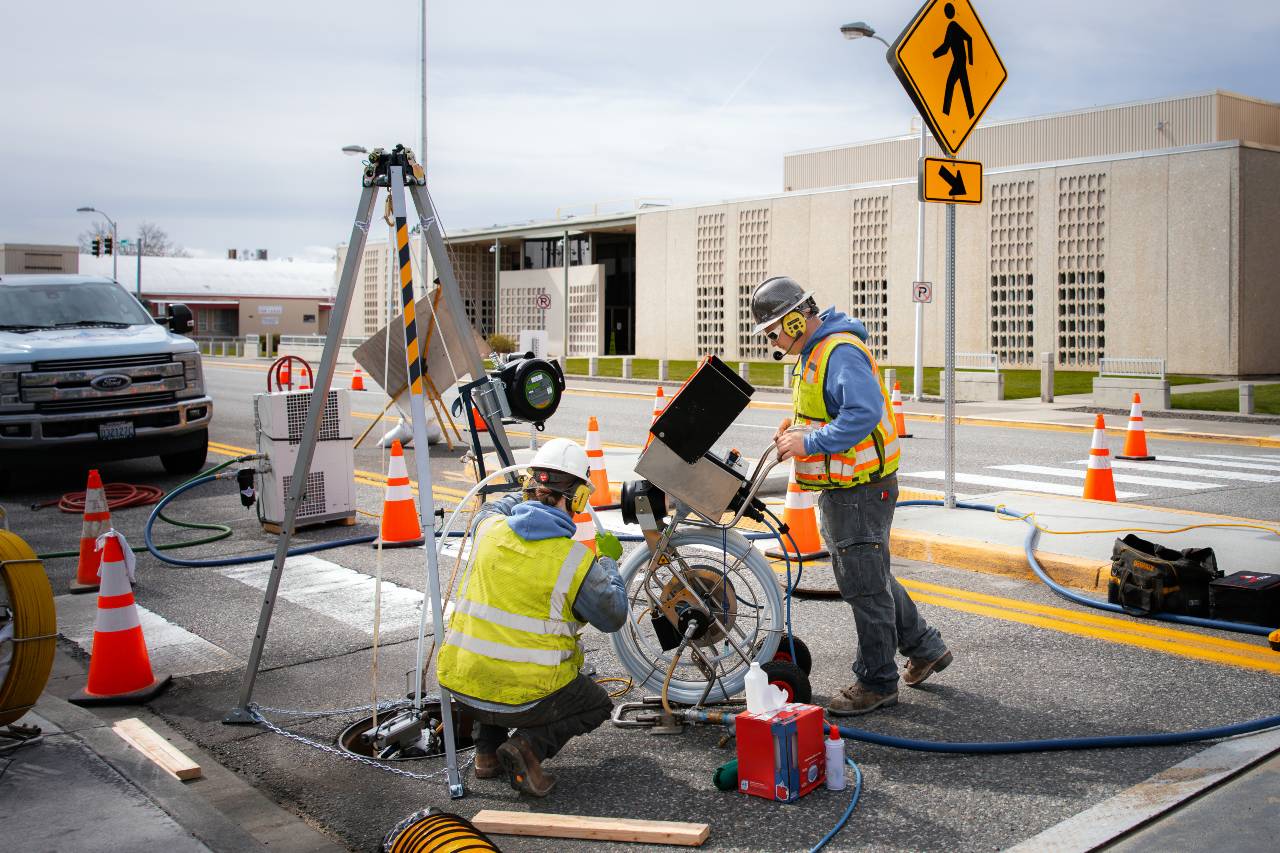
No responsible contractor recommends a repair method before running a camera through the line. The camera is not a formality. It is the only way to confirm what is actually happening inside the pipe.
A camera inspection reveals the location and extent of the collapse, the pipe material, whether root intrusion is a factor, the alignment of the pipe, and whether viable access points exist for trenchless work. Without that information, any repair recommendation is a guess, and a guess on a sewer line is an expensive mistake.
We run the camera first, every time. After the inspection, we walk you through exactly what we found, in plain language, and presents a written quote before any work begins. The free estimate in the Tri-Cities includes that diagnostic conversation. You are not getting a price on a clipboard; you are getting a full picture of what your pipe needs and why.
What Sewer Line Replacement Looks Like in Practice
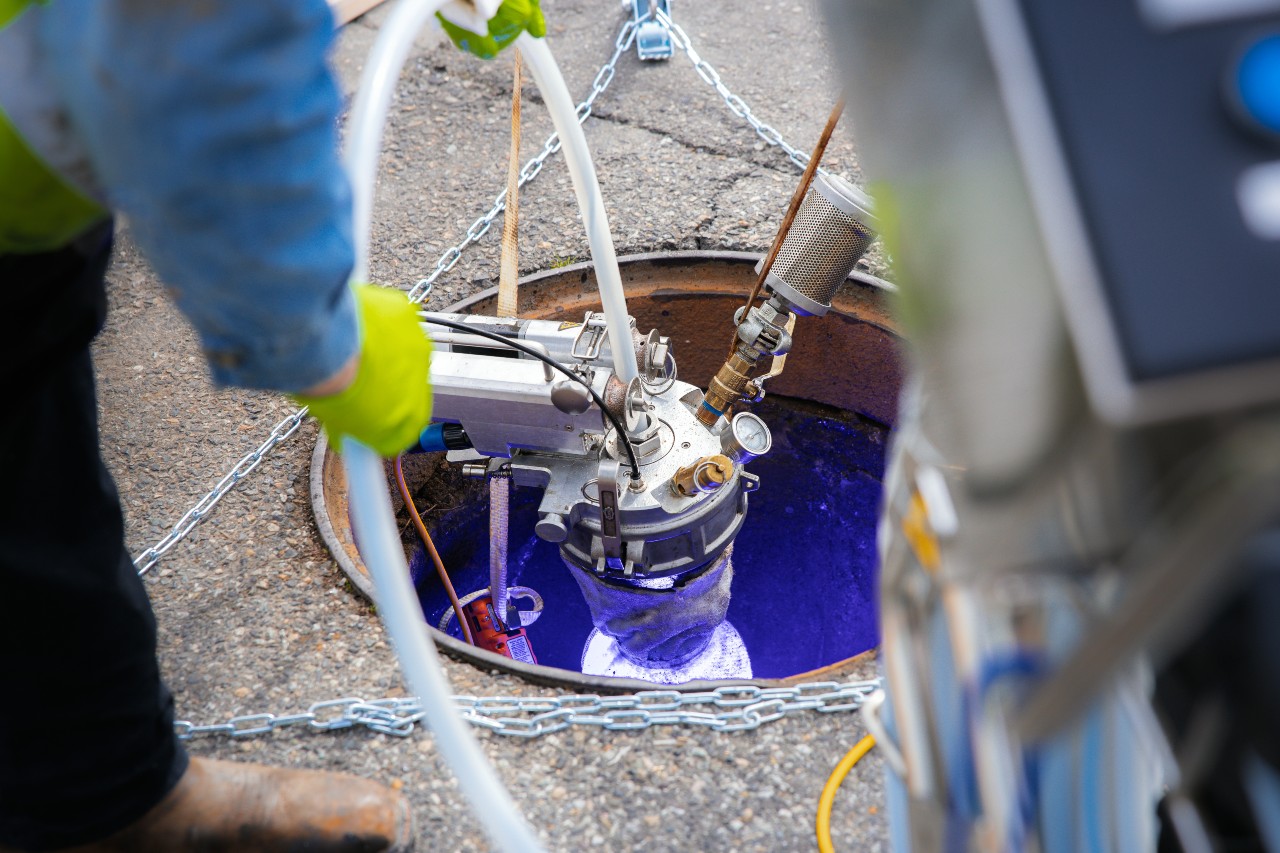
When pipe bursting is the right method for a collapsed sewer line in Kennewick, Richland, or Pasco, the process is straightforward. We identify two access points at either end of the damaged section. The bursting head is fed through the existing pipe, fracturing it outward as it moves. A new pipe follows directly behind it, pulled into position as the old one is displaced. A final camera inspection confirms the new line is seated correctly and flowing clean.
Trenchless work is typically completed in a day or two. Traditional excavation for the same repair takes two to five days, and the restoration costs, replacing landscaping, concrete, or pavement, often equal the repair cost itself. When trenchless is viable, the yard between the access points stays a yard.
When excavation is necessary, we explain exactly why before work begins. The 10-year warranty applies to trenchless work. You will know what method is being used, what it costs, and what it covers before a single tool touches the ground.
Start With a Camera Assessment, Not an Assumption
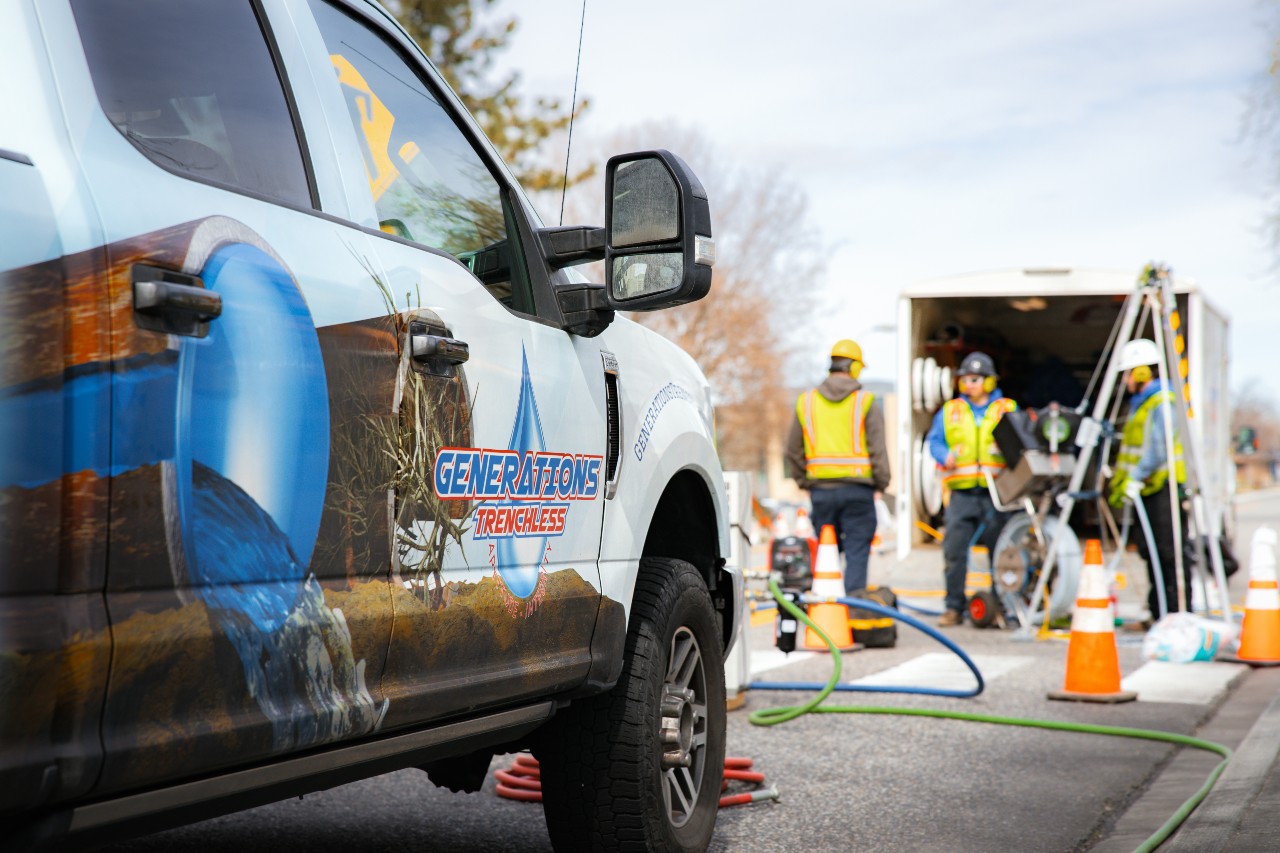
The right recovery strategy for a collapsed sewer line depends entirely on what the camera finds. Pipe condition, alignment, material, and the extent of the damage all factor into which method will actually hold. Assumptions in either direction, that trenchless will definitely work, or that excavation is definitely required, are not a diagnosis.
Generations Trenchless and Plumbing gives you the full picture before any decision is made. Camera first, findings explained in plain language, written price before work begins.
Contact Generations Trenchless and Plumbing for a free collapsed sewer line repair estimate in the Tri-Cities. We will run the camera assessment, walk you through exactly what we find, and give you the full price before any work begins
Is your sewage pump trying to tell you something? The basement bathroom stops flushing. Or you head downstairs to do laundry and find the drain backing up with no warning. Neither situation is pleasant, and the first question is always the same: how bad is this?
Here is the straightforward answer. A sewage pump problem is not a wait-and-see situation, but it is not a reason to panic either. Most of the time, catching it early means a repair or a planned replacement on your schedule, not a crisis on a weekend morning.
By the end of this article, you will know what your sewage pump does, what the warning signs look like, and what the repair and replacement process actually involves, including what it should cost and who should be doing the work.
In this post, you’ll learn:
- What a sewage ejector pump does and why below-grade homes depend on one
- The warning signs that mean it is time to call a plumber
- What routine sewage pump maintenance looks like and why it matters
- How to know when replacement is the right call
- What the assessment and replacement process looks like with Generations Trenchless and Plumbing
What a Sewage Ejector Pump Does

Gravity handles most of a home’s plumbing. Waste flows downhill to the main sewer line without any help. The problem comes when a bathroom, laundry room, or utility sink sits below the level of that main line. Gravity now works against you, and a sewage ejector pump solves that by collecting waste in a sealed basin and pushing it uphill to where it needs to go.
Two pumps often get confused here. A sewage ejector pump handles solid waste and water from below-grade fixtures. A sump pump handles groundwater only. They are not interchangeable, and mistaking one for the other leads to the wrong diagnosis and the wrong fix.
Tri-Cities homes with finished basements, basement bathrooms, or additions built below grade are common candidates for ejector pump systems. If your home has any of those features, there is likely a pump working quietly in a pit somewhere beneath your basement floor.
Warning Signs Your Sewage Pump Needs Attention
These are not reasons to panic. They are signals to call before a manageable problem becomes a much larger one.
- Slow or gurgling drains in below-grade fixtures
- The pump runs constantly or cycles on and off in short bursts
- Unusual odors near the basin or pit
- Visible water or sewage around the pump housing
- The alarm light or float switch is triggering
- The pump is more than several years old and has never been serviced
Any one of these warrants a call. More than one at the same time means sooner rather than later.
Routine Maintenance: What Keeps a Pump Running
Sewage pump maintenance in the Tri-Cities does not require much, but it does require consistency. An annual inspection covers the float switch, the check valve, and the discharge line. The float switch tells the pump when to turn on; if it sticks or fails, the pump either runs dry or never activates. The check valve prevents waste from flowing back into the basin after the pump shuts off. Both are simple components that wear over time and are inexpensive to address during a scheduled visit.
Keeping the pit clear of debris and non-flushable materials, wipes, paper towels, anything that was not designed to go down a drain, reduces wear on the impeller and extends the pump’s working life. You can also test the pump manually by slowly pouring water into the basin until the float triggers and the pump activates. If it does not respond, that is useful information before a backup occurs.
A journeyman plumber can inspect the full system during a scheduled visit, including the discharge line and the basin seal. That visit costs considerably less than an emergency sewage pump repair in Richland or anywhere else in the Tri-Cities.
When Replacement Is the Right Call
Pump service life varies by model and usage. If your pump has failed more than once in a short period, that pattern matters more than the age alone. Repeated failures after repair, significant corrosion, a cracked housing, or a pump that was undersized for your home’s current load are all signs that replacement is the more practical path forward.
An undersized pump runs harder than it was designed to and wears faster. No amount of maintenance changes that math.
We does not recommend replacement based on a single symptom or a quick look. We run a camera assessment and a full evaluation of the system before making any recommendation. If repair is the right answer, that is what you will hear. No guesswork, no pressure toward a larger job than the situation requires.
What Sewage Ejector Pump Replacement Looks Like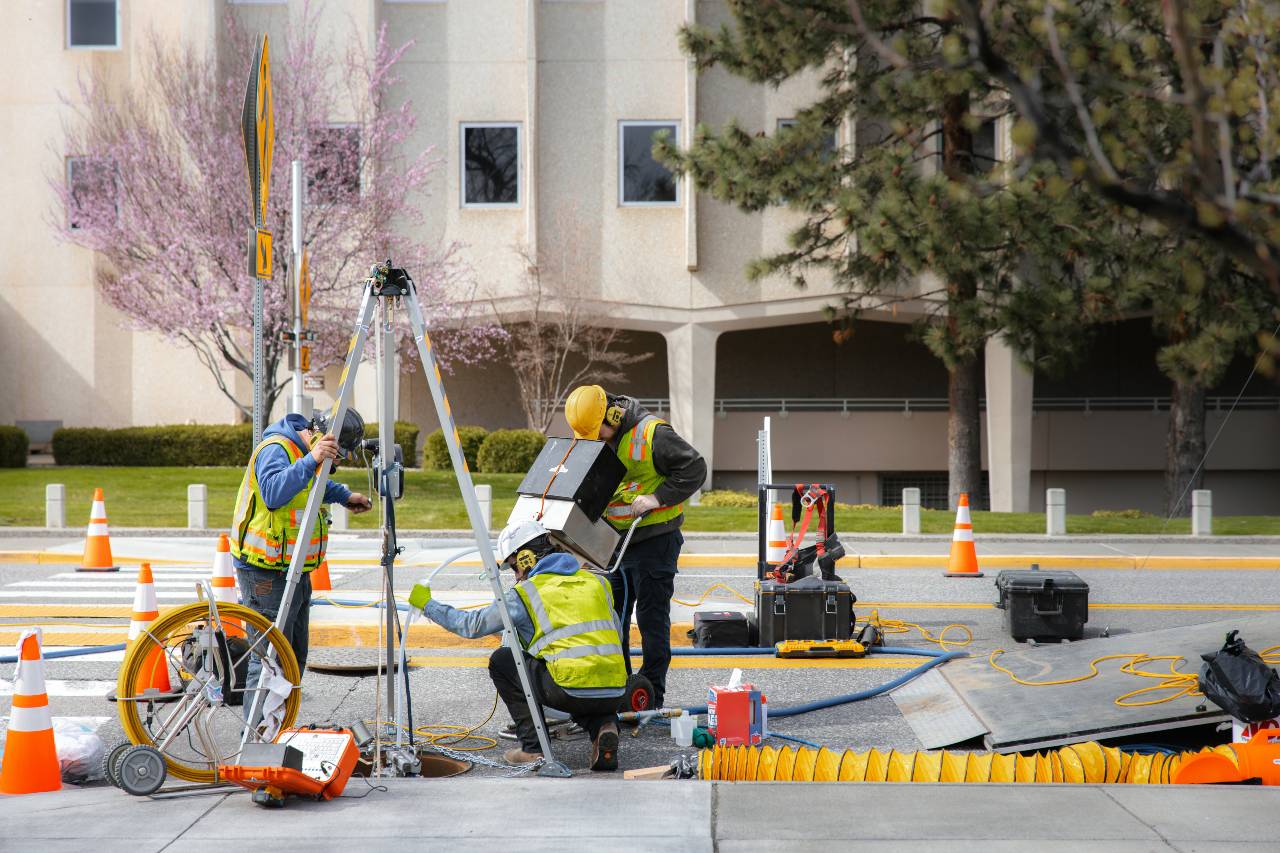
The process starts with an assessment. We inspect the pump, the basin, and the discharge line, then walks you through exactly what we found. You receive a written quote covering the full price before any work begins.
Pump selection is matched to your home’s specific load and layout, not pulled from a standard shelf. Installation is performed by a journeyman plumber with more than 15 years in the trade. When the work is done, the system is tested before we leave the property.
Estimates are free throughout the Tri-Cities. The price you agree to before work starts is the price on the invoice.
Get Your Free Estimate for Sewage Pump Service in the Tri-Cities
Regular maintenance extends pump life. Early diagnosis prevents the worst outcomes. Those two things are true whether your pump is relatively new or has been running for years without a single inspection.
If you noticed a slow drain, an odor, or an alarm light and you are not sure what it means, that is exactly the right time to call. We will assess the pump, walk you through what we find, and give you the full price before anything is touched.
Contact Generations Trenchless and Plumbing for a free sewage pump maintenance or ejector pump replacement estimate in the Tri-Cities.