Is your sewage pump trying to tell you something? The basement bathroom stops flushing. Or you head downstairs to do laundry and find the drain backing up with no warning. Neither situation is pleasant, and the first question is always the same: how bad is this?
Here is the straightforward answer. A sewage pump problem is not a wait-and-see situation, but it is not a reason to panic either. Most of the time, catching it early means a repair or a planned replacement on your schedule, not a crisis on a weekend morning.
By the end of this article, you will know what your sewage pump does, what the warning signs look like, and what the repair and replacement process actually involves, including what it should cost and who should be doing the work.
In this post, you’ll learn:
- What a sewage ejector pump does and why below-grade homes depend on one
- The warning signs that mean it is time to call a plumber
- What routine sewage pump maintenance looks like and why it matters
- How to know when replacement is the right call
- What the assessment and replacement process looks like with Generations Trenchless and Plumbing
What a Sewage Ejector Pump Does

Gravity handles most of a home’s plumbing. Waste flows downhill to the main sewer line without any help. The problem comes when a bathroom, laundry room, or utility sink sits below the level of that main line. Gravity now works against you, and a sewage ejector pump solves that by collecting waste in a sealed basin and pushing it uphill to where it needs to go.
Two pumps often get confused here. A sewage ejector pump handles solid waste and water from below-grade fixtures. A sump pump handles groundwater only. They are not interchangeable, and mistaking one for the other leads to the wrong diagnosis and the wrong fix.
Tri-Cities homes with finished basements, basement bathrooms, or additions built below grade are common candidates for ejector pump systems. If your home has any of those features, there is likely a pump working quietly in a pit somewhere beneath your basement floor.
Warning Signs Your Sewage Pump Needs Attention
These are not reasons to panic. They are signals to call before a manageable problem becomes a much larger one.
- Slow or gurgling drains in below-grade fixtures
- The pump runs constantly or cycles on and off in short bursts
- Unusual odors near the basin or pit
- Visible water or sewage around the pump housing
- The alarm light or float switch is triggering
- The pump is more than several years old and has never been serviced
Any one of these warrants a call. More than one at the same time means sooner rather than later.
Routine Maintenance: What Keeps a Pump Running
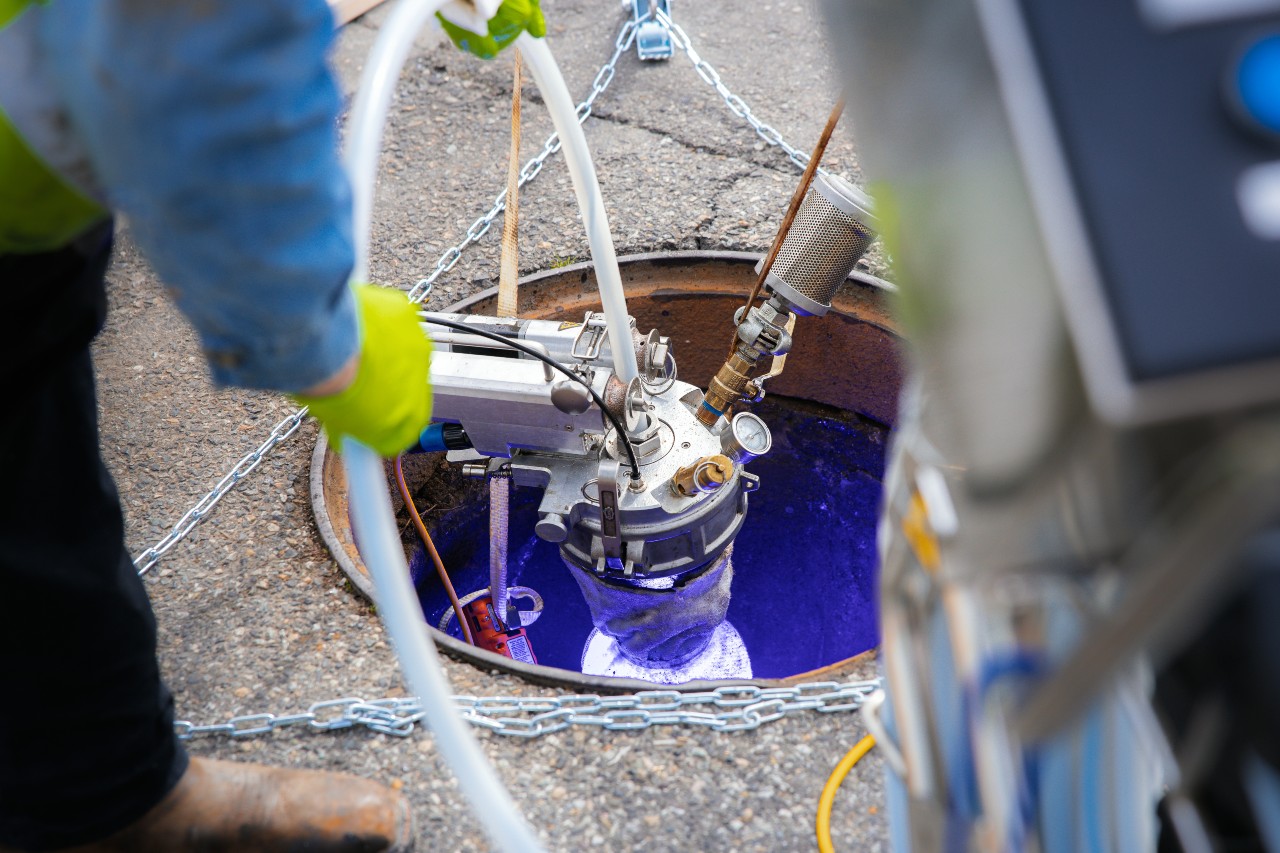
Sewage pump maintenance in the Tri-Cities does not require much, but it does require consistency. An annual inspection covers the float switch, the check valve, and the discharge line. The float switch tells the pump when to turn on; if it sticks or fails, the pump either runs dry or never activates. The check valve prevents waste from flowing back into the basin after the pump shuts off. Both are simple components that wear over time and are inexpensive to address during a scheduled visit.
Keeping the pit clear of debris and non-flushable materials, wipes, paper towels, anything that was not designed to go down a drain, reduces wear on the impeller and extends the pump’s working life. You can also test the pump manually by slowly pouring water into the basin until the float triggers and the pump activates. If it does not respond, that is useful information before a backup occurs.
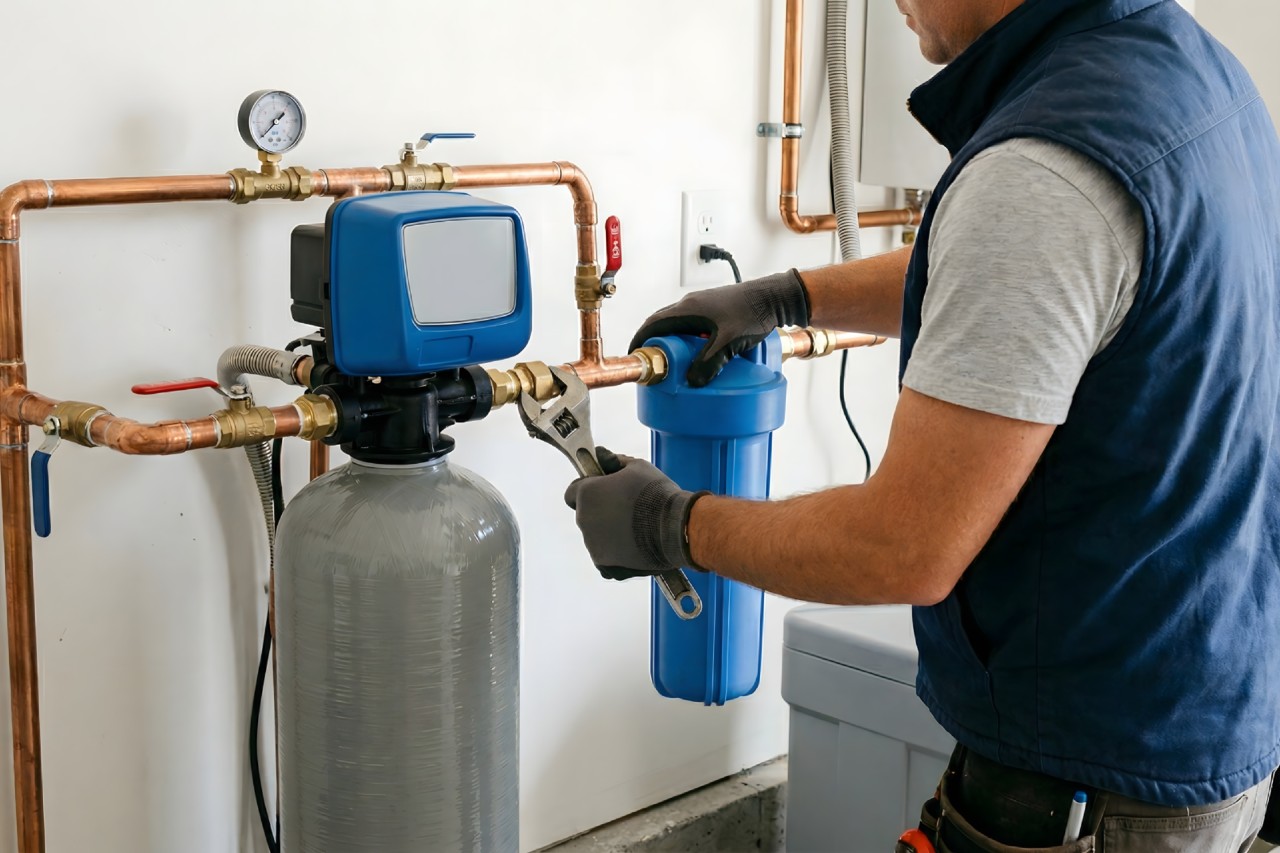
A journeyman plumber can inspect the full system during a scheduled visit, including the discharge line and the basin seal. That visit costs considerably less than an emergency sewage pump repair in Richland or anywhere else in the Tri-Cities.
When Replacement Is the Right Call
Pump service life varies by model and usage. If your pump has failed more than once in a short period, that pattern matters more than the age alone. Repeated failures after repair, significant corrosion, a cracked housing, or a pump that was undersized for your home’s current load are all signs that replacement is the more practical path forward.
An undersized pump runs harder than it was designed to and wears faster. No amount of maintenance changes that math.
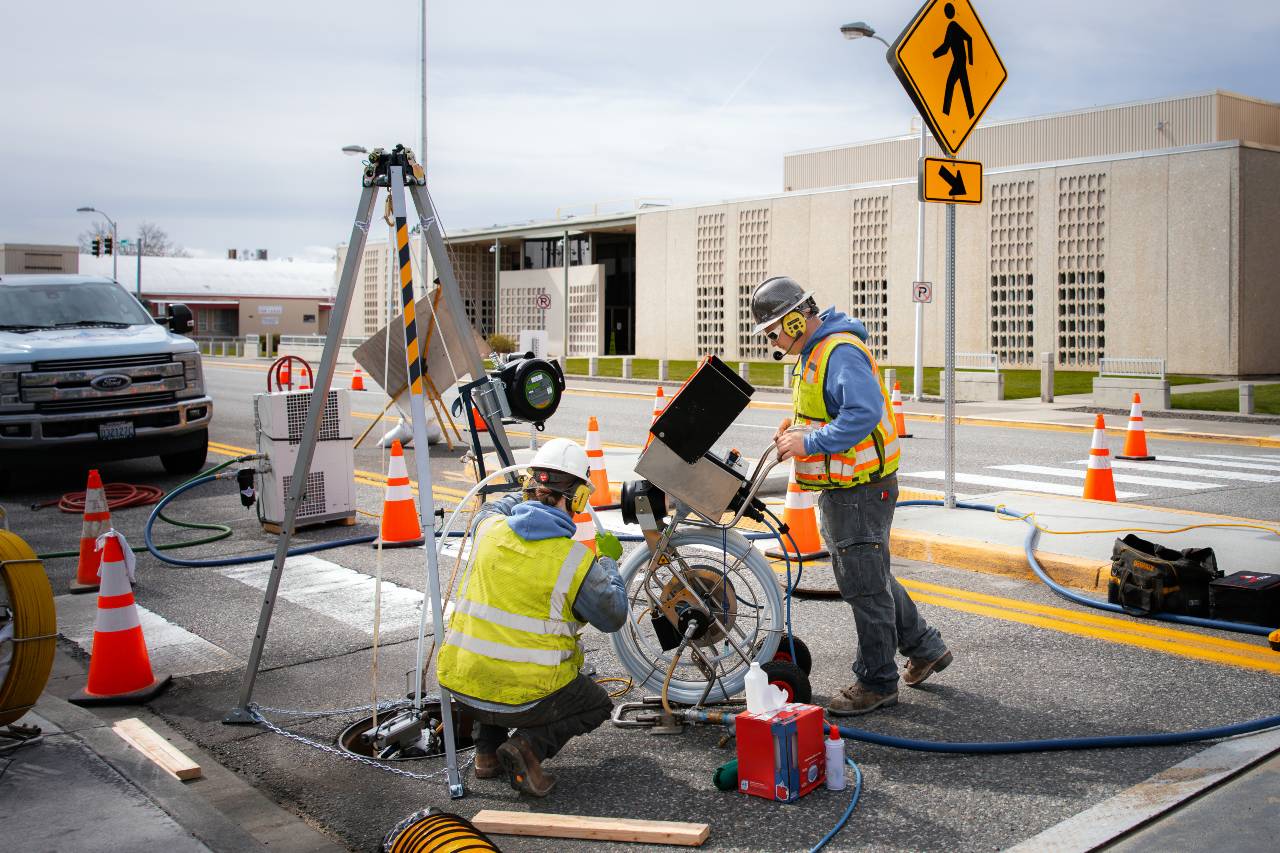
We does not recommend replacement based on a single symptom or a quick look. We run a camera assessment and a full evaluation of the system before making any recommendation. If repair is the right answer, that is what you will hear. No guesswork, no pressure toward a larger job than the situation requires.
What Sewage Ejector Pump Replacement Looks Like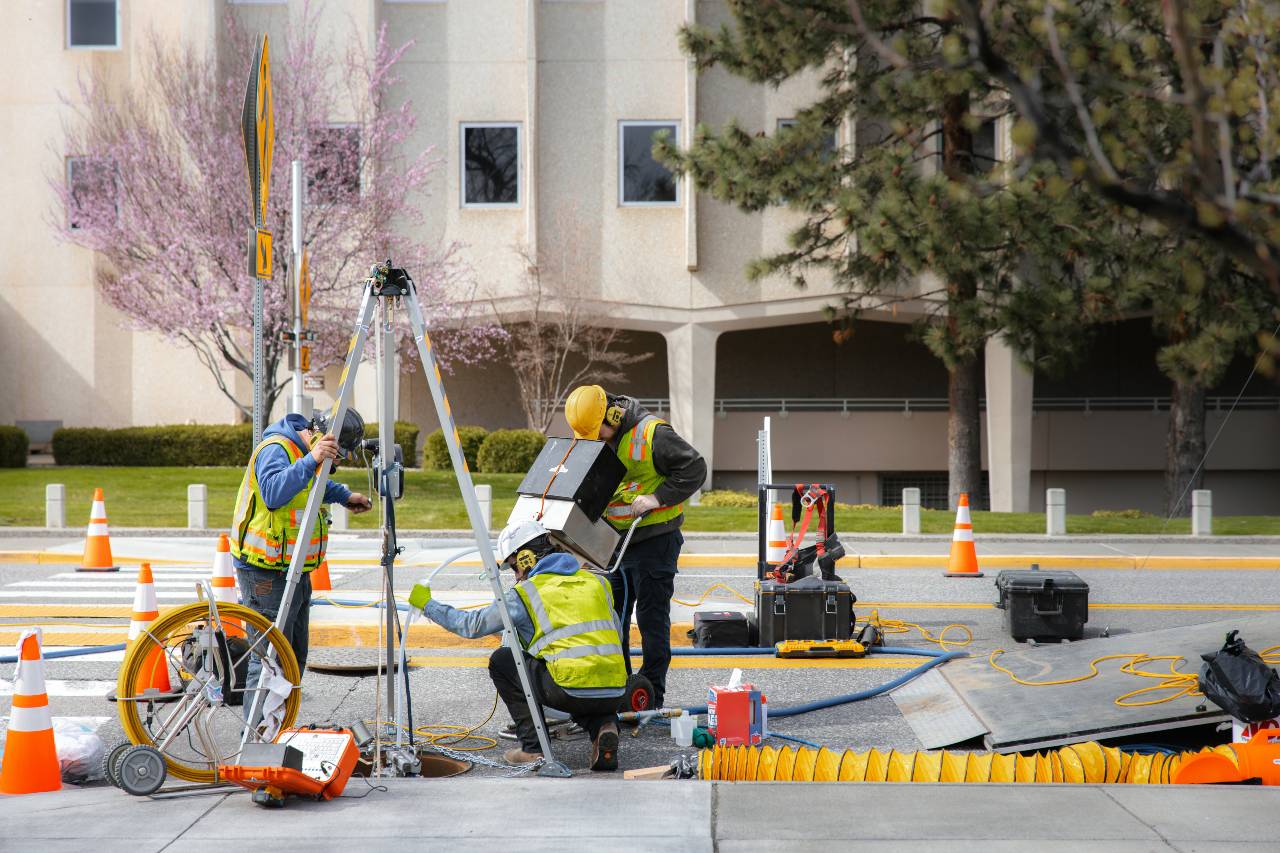
The process starts with an assessment. We inspect the pump, the basin, and the discharge line, then walks you through exactly what we found. You receive a written quote covering the full price before any work begins.
Pump selection is matched to your home’s specific load and layout, not pulled from a standard shelf. Installation is performed by a journeyman plumber with more than 15 years in the trade. When the work is done, the system is tested before we leave the property.
Estimates are free throughout the Tri-Cities. The price you agree to before work starts is the price on the invoice.
Get Your Free Estimate for Sewage Pump Service in the Tri-Cities
Regular maintenance extends pump life. Early diagnosis prevents the worst outcomes. Those two things are true whether your pump is relatively new or has been running for years without a single inspection.
If you noticed a slow drain, an odor, or an alarm light and you are not sure what it means, that is exactly the right time to call. We will assess the pump, walk you through what we find, and give you the full price before anything is touched.
Contact Generations Trenchless and Plumbing for a free sewage pump maintenance or ejector pump replacement estimate in the Tri-Cities.