As a homeowner, you work hard to keep your house running smoothly, but an invisible threat could be quietly damaging your home from the inside out: hard water.
High concentrations of calcium and magnesium can wreak havoc on your plumbing, causing scale buildup that narrows pipes, clogs fixtures, and forces appliances to work twice as hard.
According to data from the U.S. Geological Survey, scale affects around 85% of home plumbing systems across the country.
This is where your water softener plays a critical role. While many view it simply as a luxury for cleaner dishes, it is actually a vital line of defense for your entire plumbing infrastructure.
However, like any protective equipment, a water treatment system requires consistent care to keep working. Proper water softener maintenance is the key to extending your pipes’ longevity, preserving your appliances, and preventing costly structural plumbing damage.
In this article, we’ll cover:
- How hard water can damage your plumbing
- Regular water softener maintenance tasks
- Signs you might need repair
- Why waking with an experienced professional is best
How Hard Water Damages Plumbing
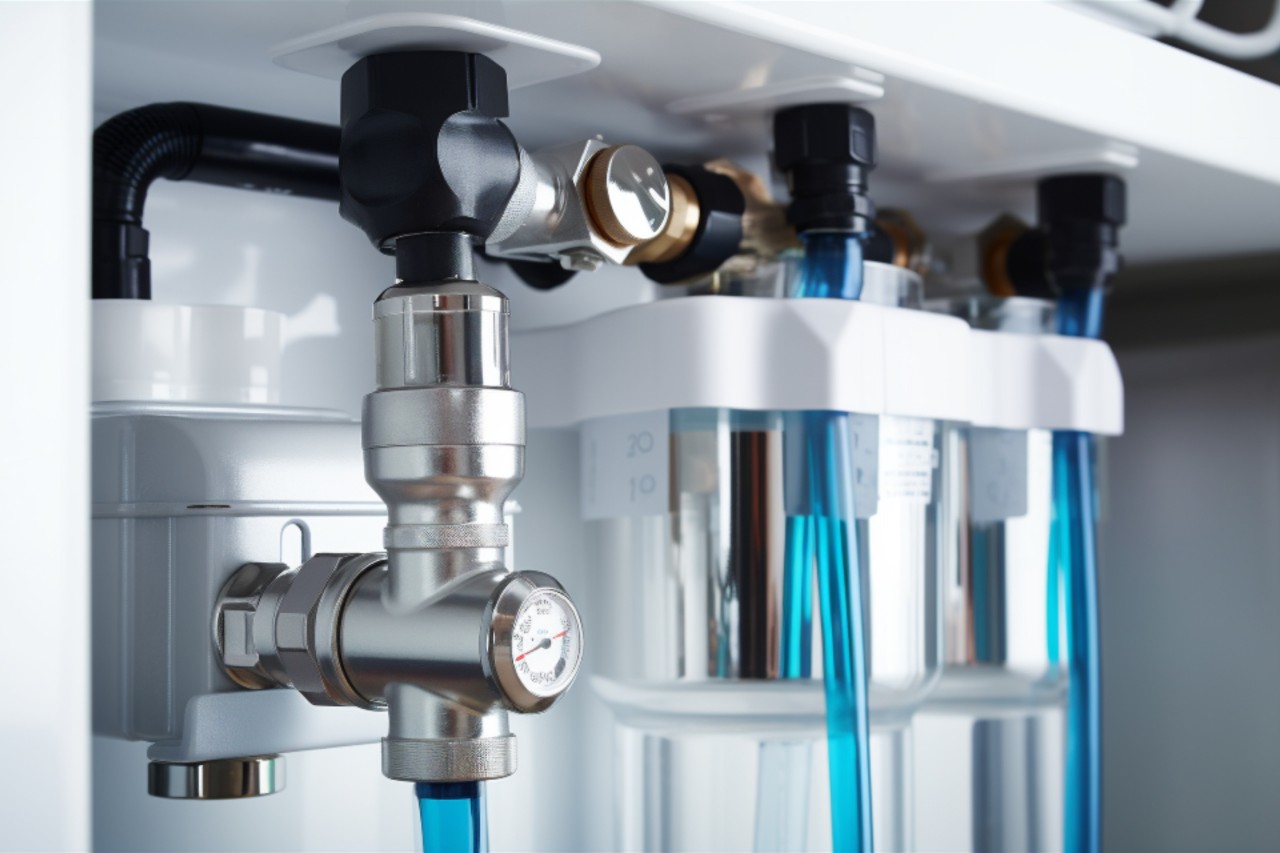
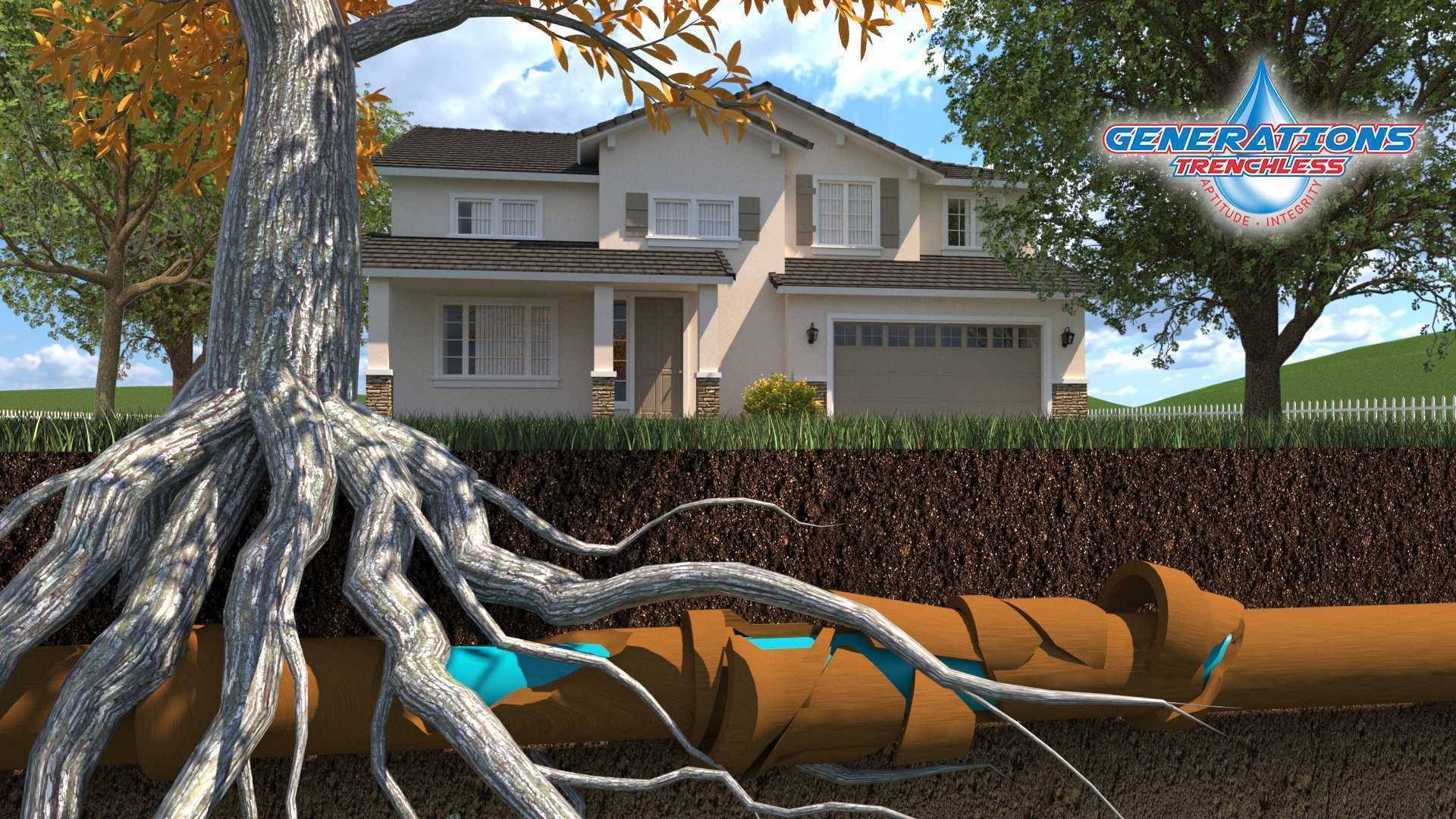
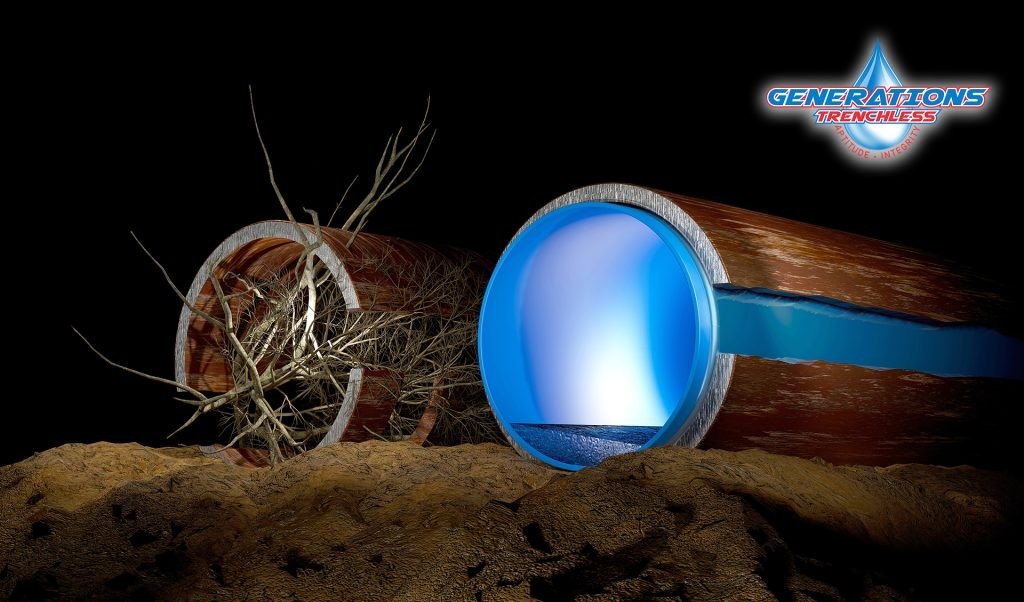
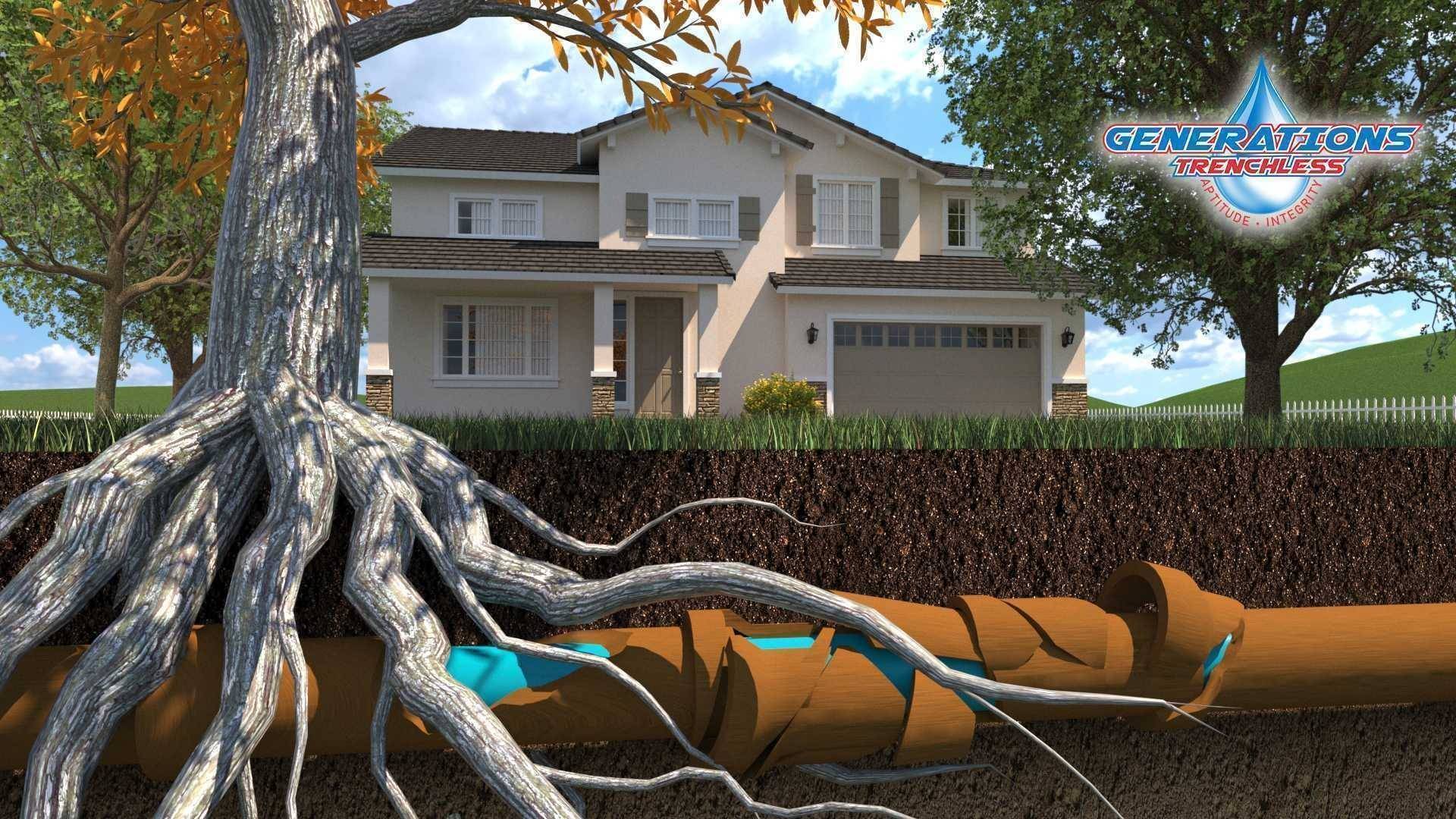
When hard water travels through your home, it leaves behind rock-hard mineral deposits known as scale. Over time, this scale accumulates inside your copper or PVC pipes, gradually restricting water flow and increasing systemic pressure.
On visible fixtures, this damage manifests as stubborn white crust, but the hidden destruction is far worse. Your water heater is particularly vulnerable.
Scale settling at the bottom of a water heater tank creates an insulating barrier between the heating element and the water. This forces the unit to overheat, skyrockets your monthly utility bills, and drastically shortens the appliance’s lifespan.
By neglecting your water treatment system, you expose your entire household infrastructure to premature failure and steep restoration costs.
Essential Tasks to Maintain a Water Softener
Fortunately, routine upkeep can keep these mineral threats at bay. Homeowners can execute a few fundamental tasks to keep their systems working properly.
Check Salt Levels Regularly
Inspect your brine and salt tank at least once a month. Make sure the rock salt level remains at least three inches above the water line, and break up any hard crusts, known as salt bridges.
Clean the Brine Tank Annually
Completely empty the resin tank once a year to scrub away dirt, sediment buildup, and a sludgy phenomenon called salt mushing. Then, refill it with fresh salt so the water supply can run through it.
Test Water Hardness
Use a basic testing kit a few times a year to verify that your system is actively producing soft water and that your water quality is high.
Signs Your Water Softener Needs Repair
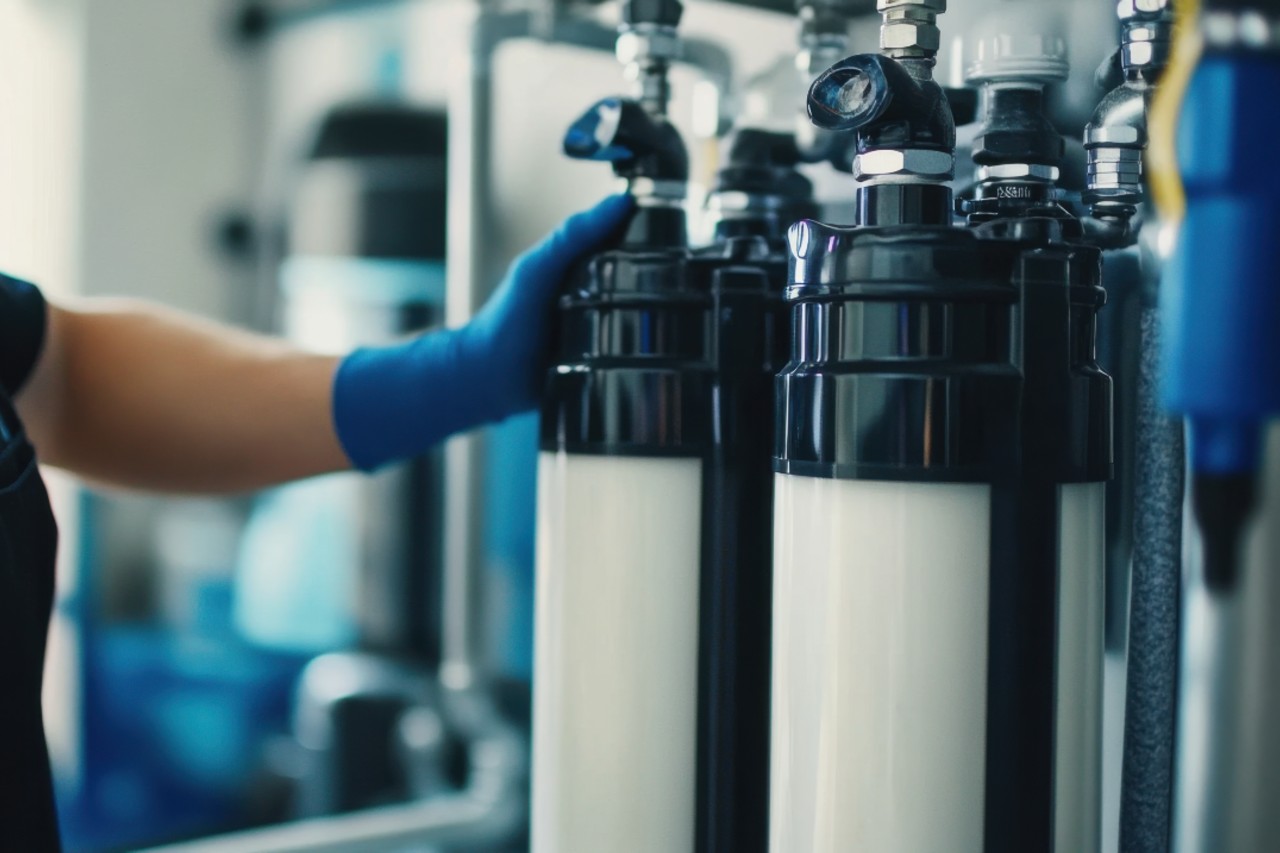
Even with diligent care, mechanical components can wear down over years of continuous operation. Watch out for these unmistakable red flags that indicate a need for professional water softener repair.
Hard Water Symptoms Return
If you notice crusty white residue on your faucets, scratchy laundry, or spots on your glassware, your system isn’t softening properly.
Fluctuations in Salt Usage
If your salt levels remain exactly the same for months, or if the unit burns through bags of solar salt overnight, the regeneration cycle is broken.
Changes in Water Pressure
A clogged resin bed or malfunctioning control valve can bottleneck your home’s water pressure.
Visible Leaks
Any pooled moisture around the base of the brine tank demands immediate attention.
DIY Upkeep vs. Professional Water Softener Maintenance
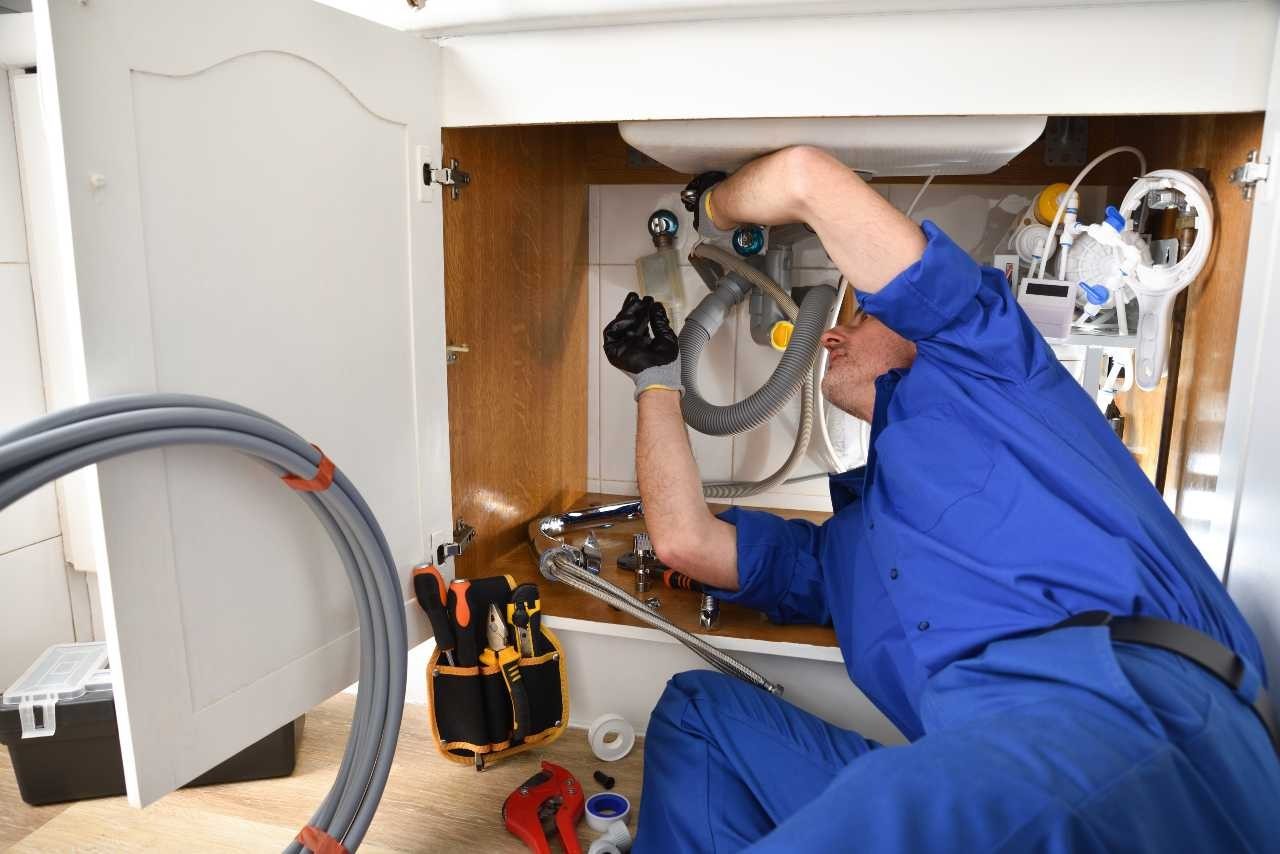
While checking water softener salt levels is an easy weekend chore, complex mechanical issues require experienced hands. If your system stops cycling or develops a persistent leak, hiring professional water softener repair services is the safest step to protect your equipment.
Certified plumbers can deep-clean fouled resin beds, reprogram digital control valves, and replace internal seals safely. Enlisting professional care guarantees small mechanical hiccups are resolved before they snowball into major structural plumbing emergencies.
Long-Term Cost Savings
Investing time and resources into your water conditioning unit pays massive dividends down the road. Regular maintenance and upkeep extend the operating life of your water softening system, preserve the factory efficiency of your dishwasher and washing machine, and keep your water lines free of scale.
By taking these steps so your system functions optimally, you completely avoid the nightmare of replacing scale-choked supply pipes buried deep inside your walls.
Why Generations Trenchless and Plumbing
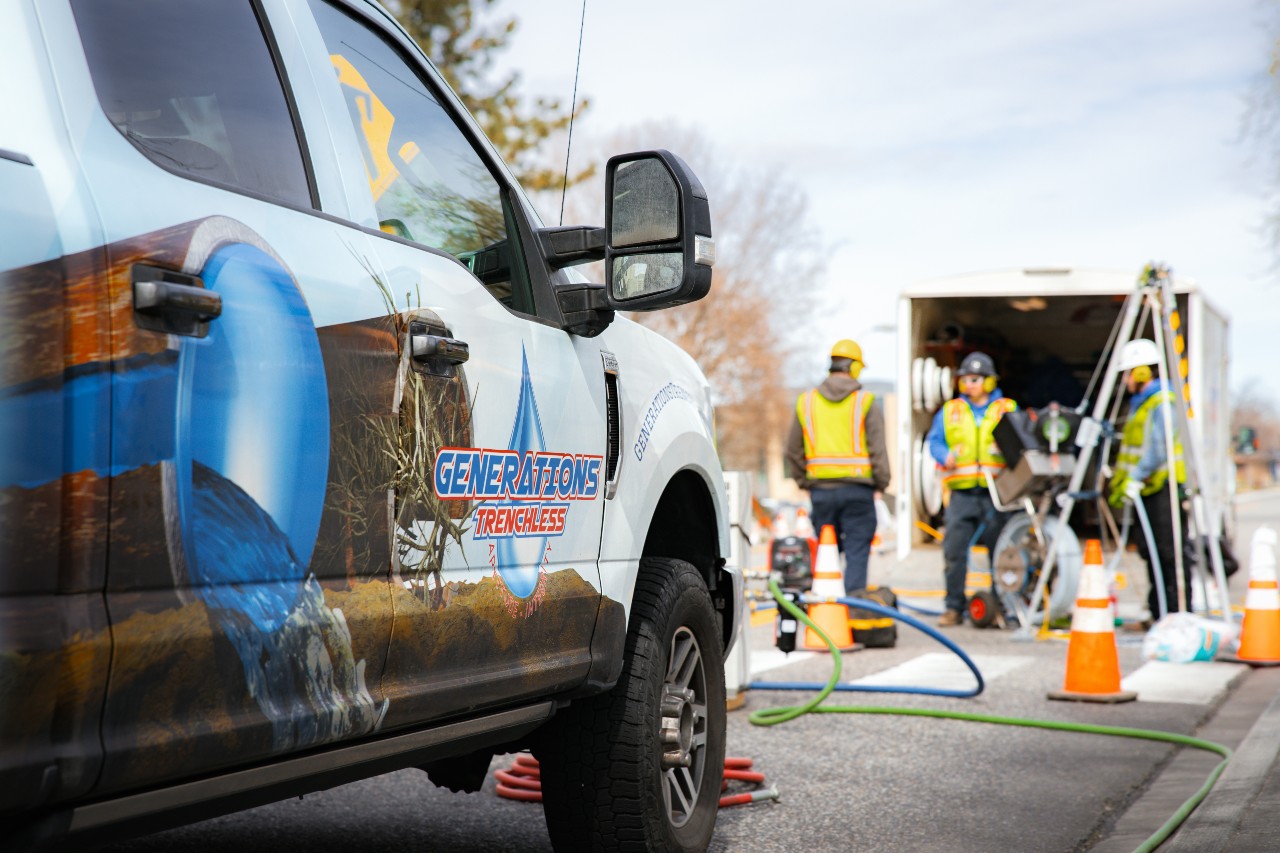
At Generations Trenchless and Plumbing, we treat your home’s water system with a holistic approach. Our experienced technicians possess deep expertise in comprehensive appliance maintenance for all major equipment brands.
We understand exactly how water chemistry impacts your pipes and fixtures, providing honest, transparent recommendations to keep your system operating at peak performance. If you are tracking down a reliable provider for water softener repair near me, look no further than our local, customer-focused team.
Protect Your Plumbing with Expert Water Softener Maintenance!
Is your water softener protecting your pipes and plumbing system as it should? Whether you need routine water softener maintenance, professional inspection, or equipment diagnostics, Generations Trenchless and Plumbing is here to help.
Our experienced team makes sure your softener operates efficiently, protecting your entire plumbing system from hard water damage. Searching for “water softener repair near me?” Contact us today for comprehensive service that keeps your water soft and your plumbing protected.
Call now to schedule your water softener service and experience the peace of mind that comes from properly maintained systems!