Winter is fast approaching, and as a homeowner, you must undertake a long list of tasks to ensure that your home is adequately prepared for the chilly season. Winterizing plumbing is one task that you cannot miss! That’s why we of Generations Trenchless and Plumbing, your Tri-Cities expert plumbers, want to provide you with a comprehensive guide on how you can winterize your home plumbing to prevent your pipes from freezing during these upcoming cold months, including practical tips on protecting pipes, signs of pipe issues to watch for, and when to seek professional plumbers help from us at Generations Trenchless and Plumbing.
Why Pipes Freeze and the Risks Involved:
Picture this: you wake up on a cold winter day. Frost is stuck to the grass, twinkling in the early morning sunshine. You go to fill up the coffee machine with water when nothing comes out of the pipes! They are frozen, and you are without coffee; what a way to start the day.
Of course, none of us want this scenario to come true, but it can if winterizing plumbing slipped through the cracks. But why?
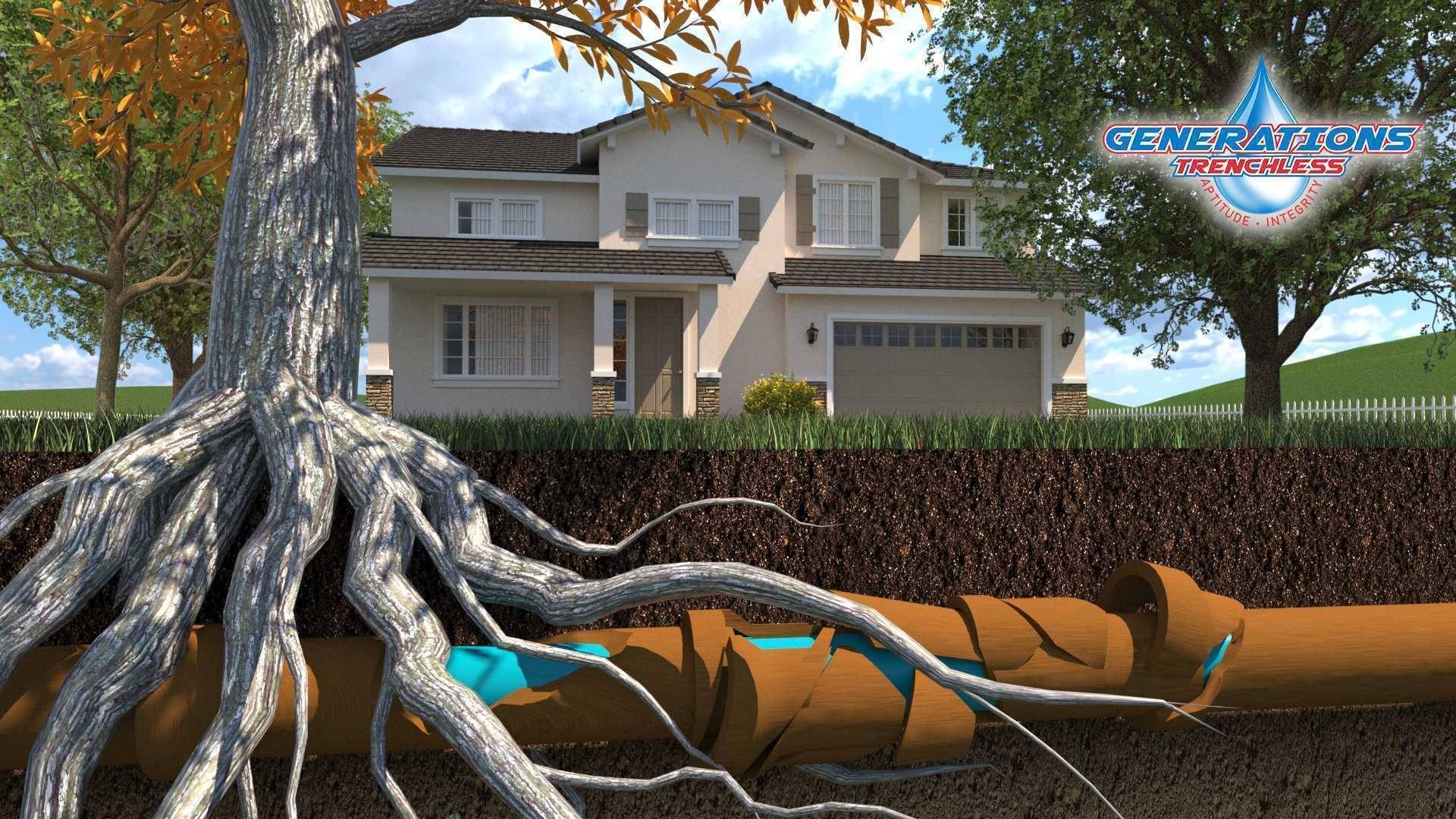
Water expands when it freezes, increasing its volume to a little over 9%. That is why ice floats on water; the ice is less dense than the liquid. However, it’s not the volume that’s the problem; it is the pressure. When a pipe is located outside, it is cooled from the outside in during the winter months. This means the water in the center of the pipe is the warmest, as the freezing starts on the edges and works its way in. Essentially, this is where the problem originates.
In the case of frozen pipes, it means that the water has frozen all the way through. The extra volume of water was able to settle somewhere in your system and then freeze, leaving nothing left to come out inside the house.
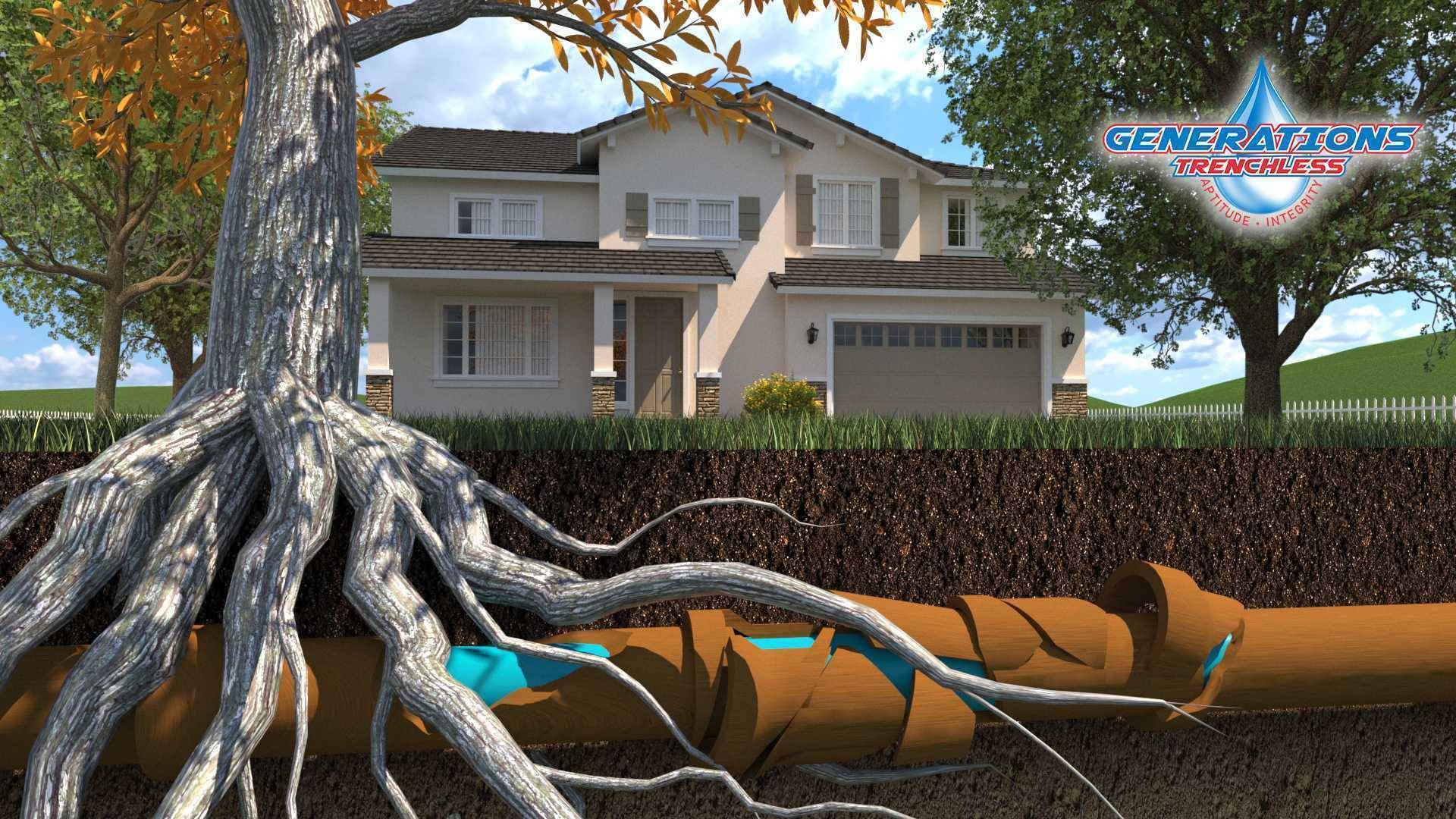
The real problem is when there is no escape elsewhere in your plumbing system for the water. Rather than freezing, it creates a high-pressure problem. When the water has nowhere to go, that high pressure is what causes a pipe to burst.
If a pipe bursts, you could face extensive water damage to your home, especially if it is not caught right away. Not only does this require expensive repairs to the system, but also to your home. Overall, it is something you want to avoid at all costs!
Winterizing Plumbing Tips:
To avoid freezing or pipe bursting, there is a simple way to protect your system: winterizing plumbing. Winterizing plumbing looks like the following:
Protect Outdoor Plumbing:
For your outdoor plumbing, you will want to shut off the outdoor water supply and drain water from outdoor faucets to avoid freezing. This will include your sprinkler system, garden hoses, and exterior faucets. Make sure that every last bit of water is removed from the system. Then, you will want to retrofit your outdoor water sources for winterization. This could be installing frost-proof valves and wrapping the system in insulation to prevent freezing.
Identifying Vulnerable Pipes:
After your outside pipes are taken care of, it is vital to identify and address vulnerable pipes in and around your home. Pipes located outside or in unheated areas, such as exterior walls, attics, basements, garages, and crawlspaces, are the most likely to face problems.
Insulate Pipes:
Next, you want to insulate exposed pipes in areas like basements, crawl spaces, and attics. To do this, you can wrap your pipes in insulation, such as bubble-film wrap or flexible foam. For ease of application, we suggest using tubular sleeves for longer spans of pipe.
Seal Gaps and Cracks:
Next, we suggest that all homeowners inspect their homes for gaps and cracks that allow cold air to reach pipes. By sealing these gaps and cracks as part of your winterizing plumbing process, you minimize the potential exposure while reducing your home’s energy costs.
Be Proactive in Prevention:
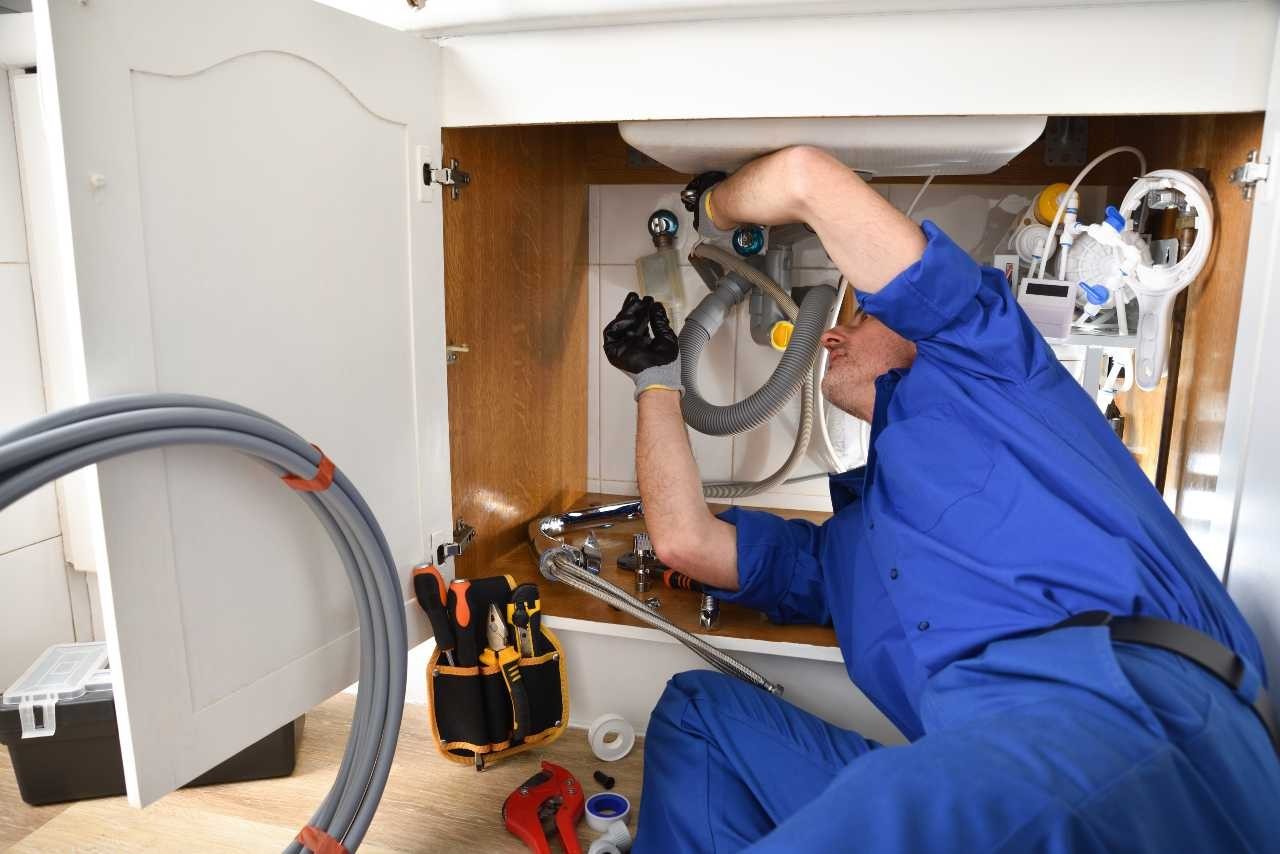
Say you are fit with a freeze and concerned about the state of your pipes. There are two tricks you can take to help prevent freezing. First, we recommend opening cabinet doors inside your heated home, such as under sinks, to allow warm air to circulate around pipes in colder areas.
Then, we suggest you let your faucets drip. Even just letting a small amount of moving water trickle through your pipes helps to relieve that pressure we discussed above and prevent freezing.
Lastly, we suggest leaving the heat on in your home, even if you are away. Keeping your house at a minimum of 55° F will help keep the pipes warm enough to stave off freezing.
Signs of Potential Pipe Freezing:
Even the best-laid plans can sometimes fail, so it is vital to be able to recognize when you have a potential pipe freeze. Here are the signs to notice:
- No or little water coming from faucets.
- Strange smells coming from the drain.
- Banging or gurgling noises coming from your pipes.
- Visible frost on the pipes.
- Water damage forming in your home.
When to Call a Professional Plumbers:
Should your pipe freeze, it is vital to take immediate action to prevent a pipe burst. First, you want to locate the frozen pipe and keep the connected faucet open to relieve pressure. If a little bit of water is coming out, let it continue to run. Then, you will want to slowly thaw the pipe, like with a heating pad, electric hair dryer, or space heater. Just remember that this needs to be done slowly and without extreme heat to prevent cracking the pipe.
If you cannot find or access the frozen pipe to thaw on your own, or should it burst, you will want to turn off the main water valve and call for emergency plumbers. Quick action is essential to ensure fast repair and minimal damage.
Need assistance? Generations Trenchless and Plumbing is here to help. Awarded the Tri-Cities Bronze Winner for Best Plumbers, our expert team of plumbers can provide you with the plumbing services you need. Contact Generations Trenchless and Plumbing today for expert winterization services and avoid the hassle of frozen pipes.